
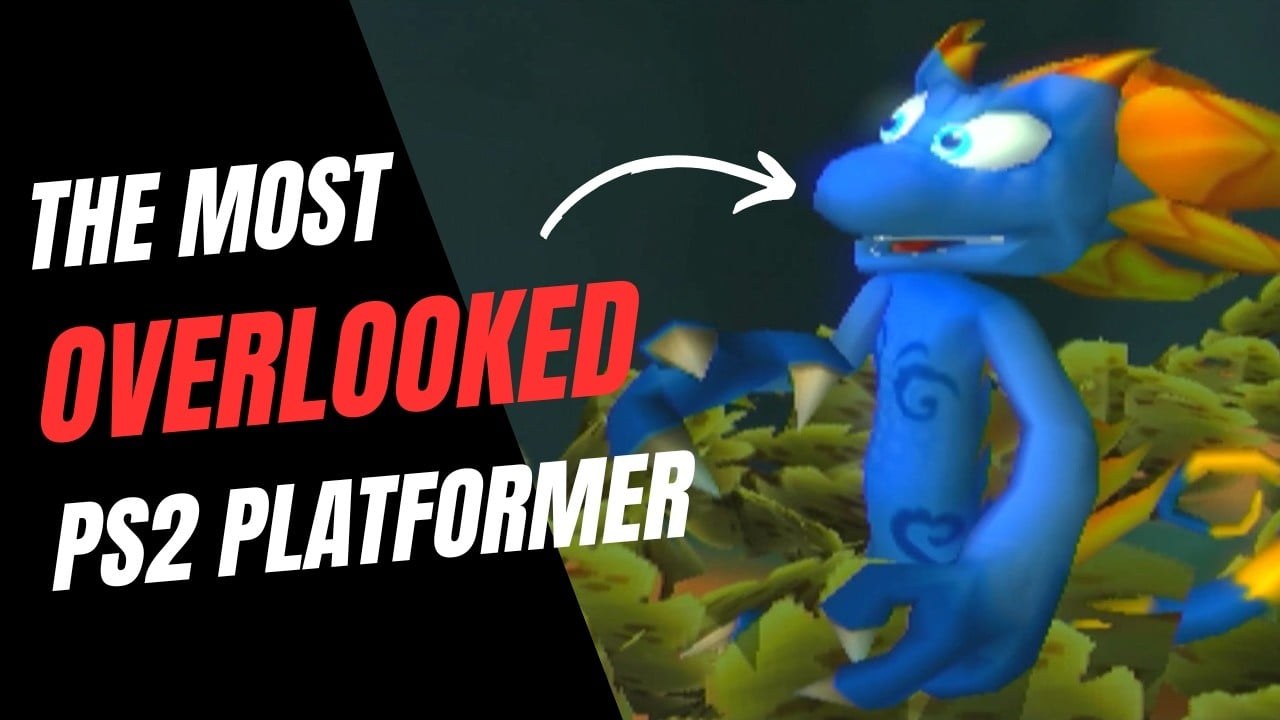
Most platformers on the PlayStation 2 (PS2) have you jumping, running, maybe gliding. Scaler has you get captured, experimented on, and turned into a lizard. Suddenly you’re climbing walls, sticking to surfaces, and smacking enemies with your tongue.
This isn’t just another mascot platformer. Scaler on PS2 is one of those games that quietly tried something different and somehow flew under the radar.
This post contains affiliate links. If you buy through them I may earn a small commission, at no extra cost to you. It helps keep the channel going.
What is Scaler on PS2?
Trying to remember that PS2 game where you play a blue lizard who climbs walls and smacks enemies with his tongue? That’s Scaler, a 2004 3D platformer that also came out on Xbox and GameCube, and almost nobody noticed it.
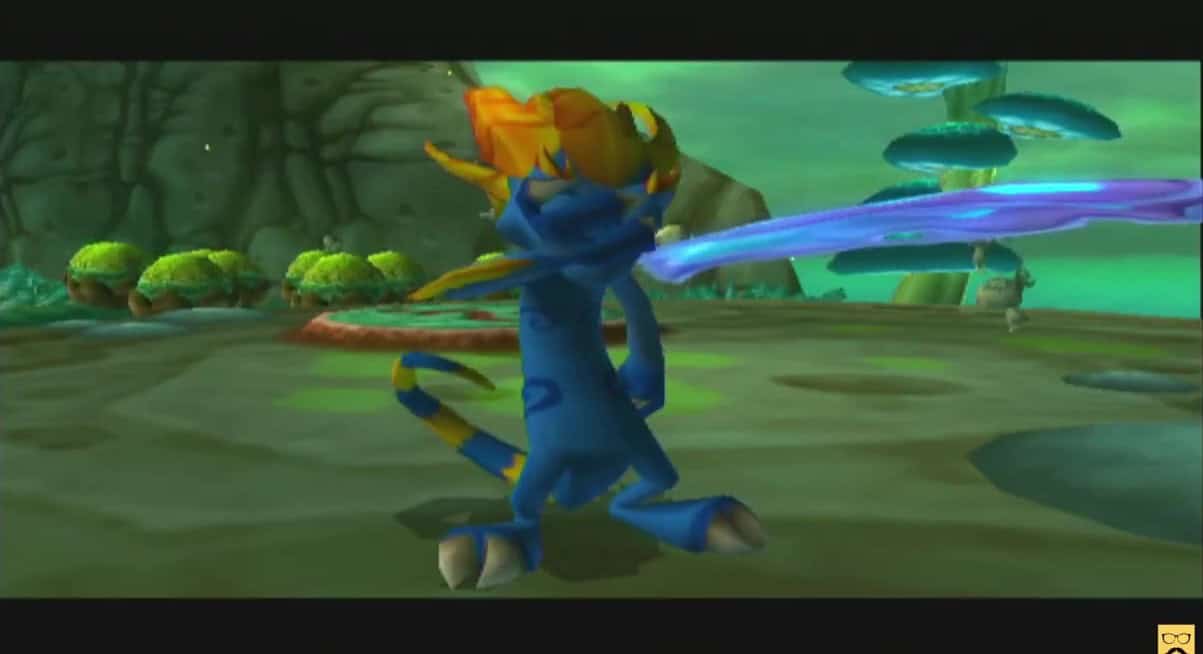
It was developed by A2M (Artificial Mind and Movement) and published by Global Star Software, and it hit PS2 and Xbox in North America in October 2004, with the GameCube version following a month later.
That timing was rough. Platformers were everywhere on the PS2 back then, and standing out next to the big mascot series wasn’t easy.
Meet Bobby “Scaler” Jenkins
You play as Bobby Jenkins, a 12-year-old who loves skateboarding and lizards, not necessarily in that order. He stumbles onto a villain’s plot to build an army of mutant lizards, gets caught, and comes out the other side as a blue reptile with a new nickname: Scaler.
From there he’s dropped into a strange parallel world, and the game becomes about learning a completely different way to move and fight.


Climbing and the tongue
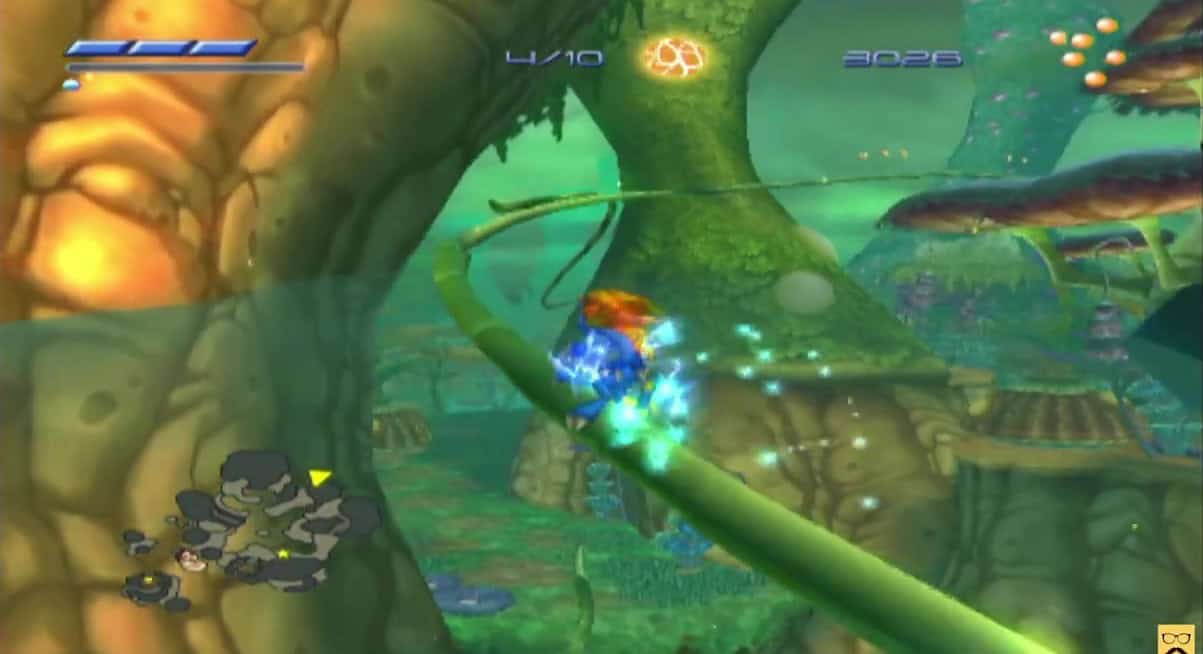
This is where Scaler stands out. You’re not just running across the ground. You’re climbing walls, sticking to surfaces, and moving through levels vertically. Movement is the main mechanic, and once it clicks, you start seeing every level differently.
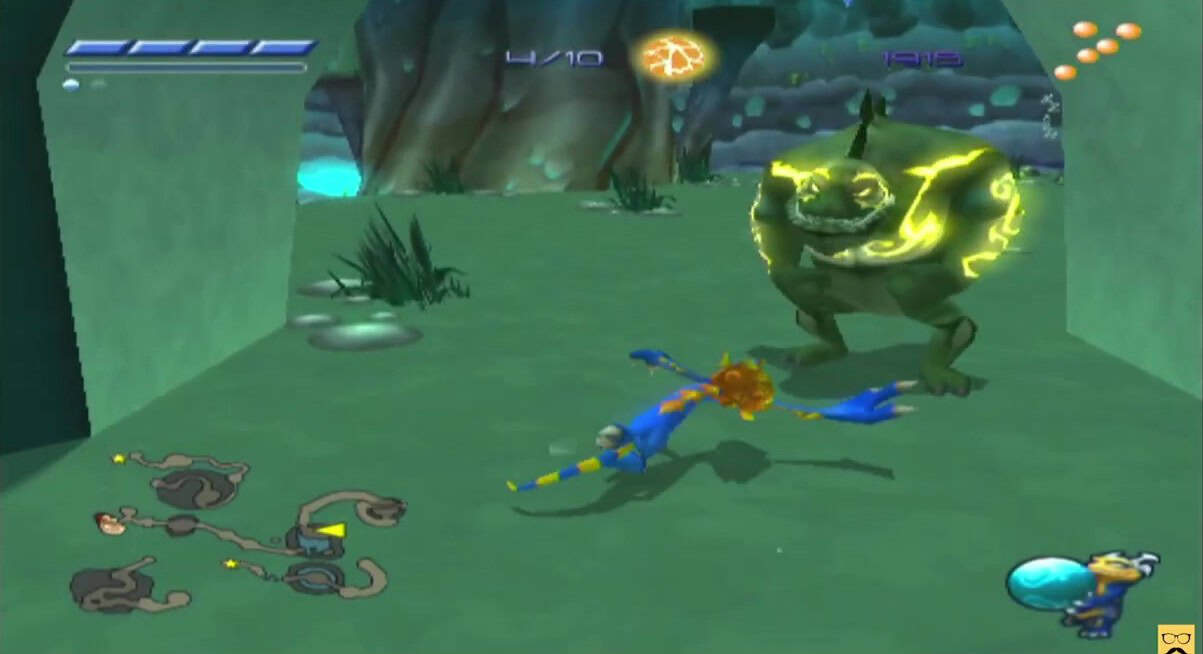
Combat fits the lizard theme. Your tongue lets you hit enemies from a distance. It takes out smaller enemies outright and stuns the bigger ones, which keeps the action flowing.
Claws and transformations
For heavier fights you’ve got claws. You start with a basic claw attack and upgrade your way up to the ultimate claw attack. Add a jump and you get a claw dash.
The best part: beat enough enemies of one type and Scaler can turn into them and borrow their abilities. There are five forms:
- Bakudan: rolls bombs to take out enemies from a safe distance and blast open barriers.
- Krock: a rolling spike attack that crushes enemies and breaks through barriers.
- Doozum: flies to new areas and fights with a sonar attack.
- Fruzard: a frilled lizard that’s basically a walking sniper rifle, picking enemies off from range.
- Swoom: slow and awkward on land, but it’s the only form that can swim.
These transformations are pretty awesome, and they’re a big reason the levels don’t feel samey.
Collect to get stronger
Like a lot of platformers from this era, you collect items, clear levels, and unlock new areas. The part the game doesn’t explain right away is how much those collectibles matter.
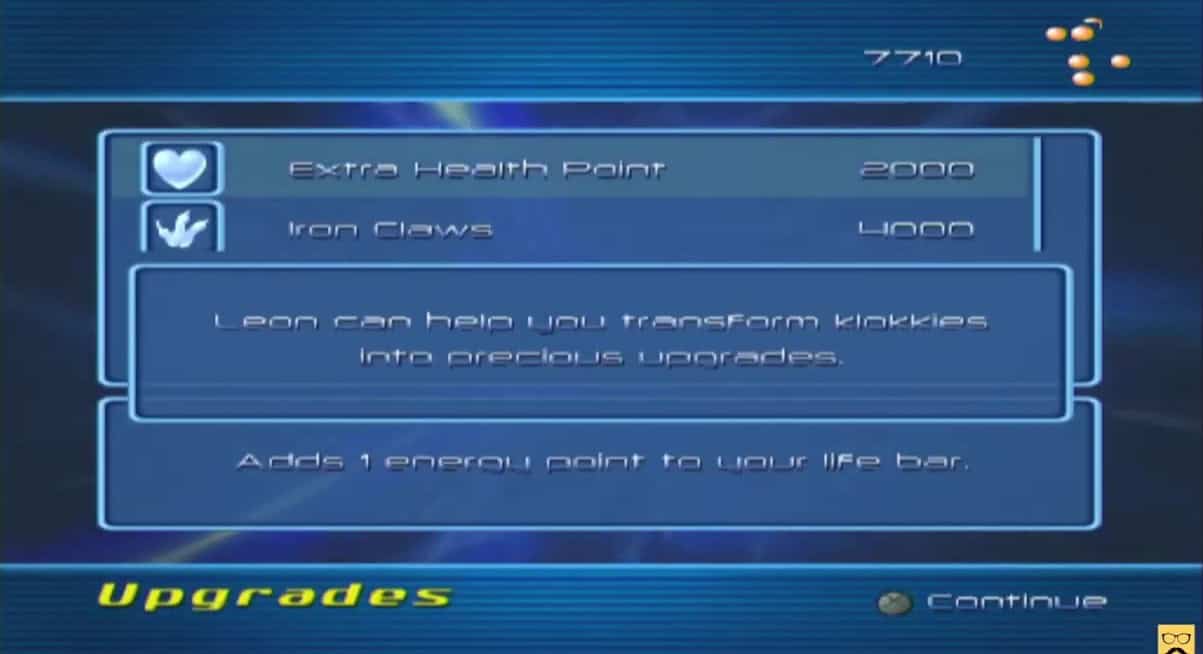
The energy you collect comes in the form of Klokkies, and as the upgrade screen puts it, “Leon can help you transform Klokkies into precious upgrades,” like extra health and Iron Claws. So it’s not just for completion’s sake. The more you explore and collect, the stronger Scaler gets.
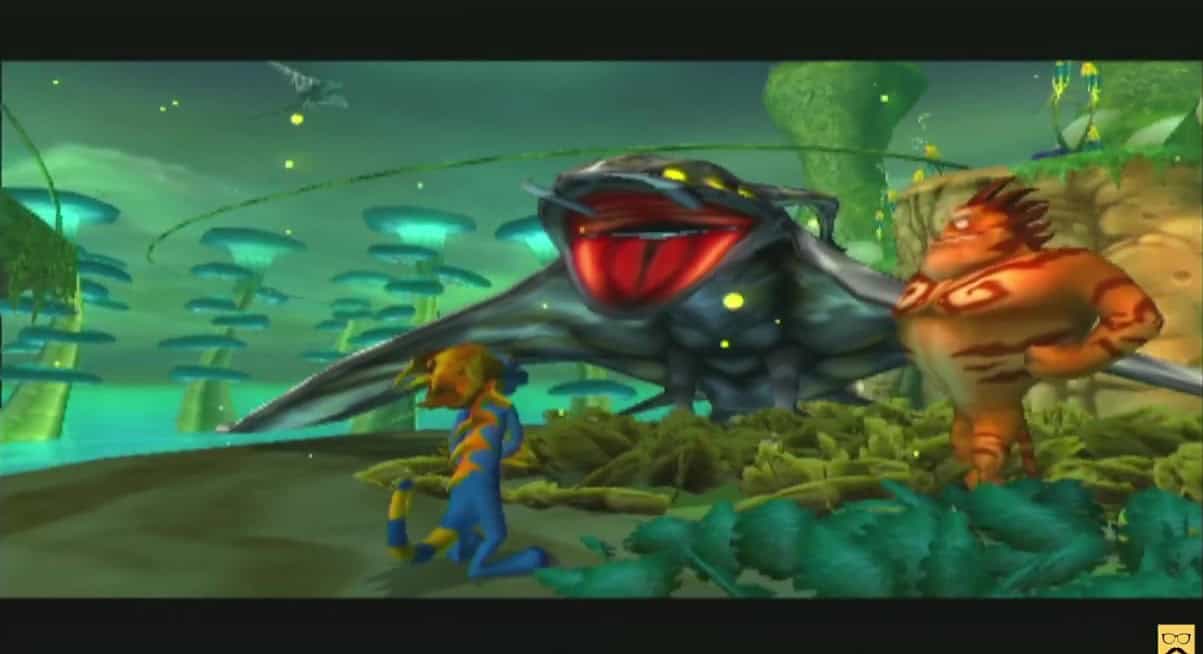
And the way you get those upgrades is the best part. You hand over your Klokkies, and a giant creature basically throws up on you. Yuck. It’s gross, it’s hilarious, and it’s very 2004.
Vine riding
What makes Scaler interesting to me is that its uniqueness comes from movement, not complexity. Being able to climb and reposition yourself changes how you approach every challenge.
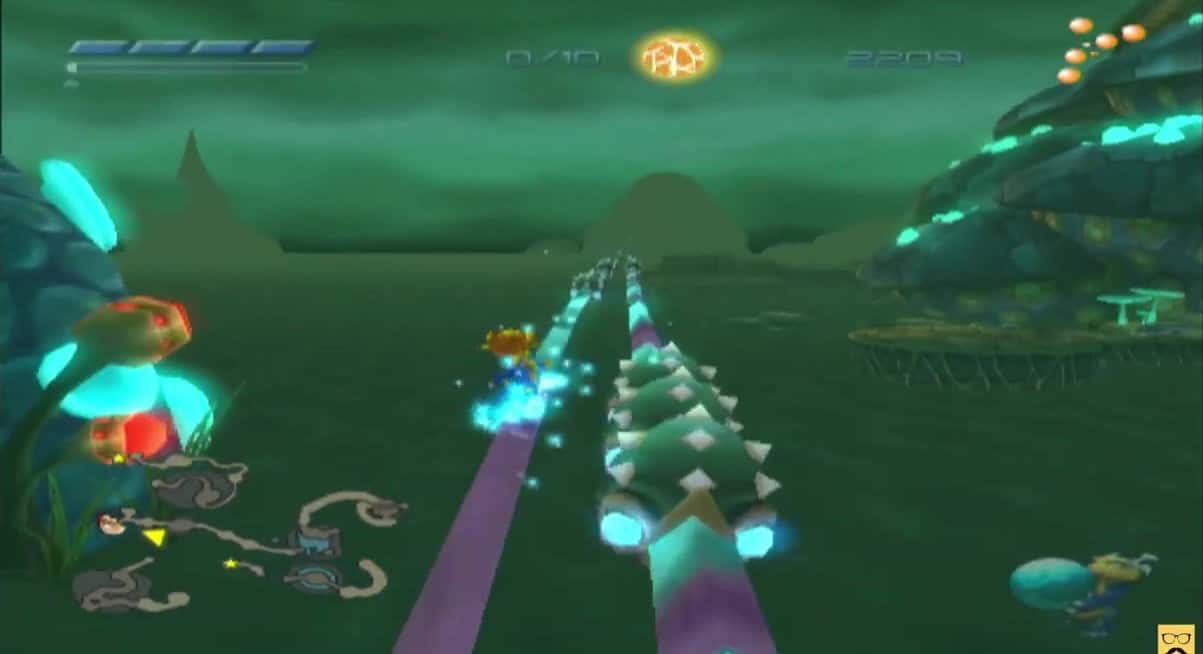
On top of climbing and camouflage, you’ve got vine riding, which I think is one of the coolest features in the game. You surf along vines to reach new areas, and riding them also charges up your electric bomb attack.
Explore, climb, fight, collect, progress. Simple structure, but the way you move through the world makes it feel fresh.
Art and music
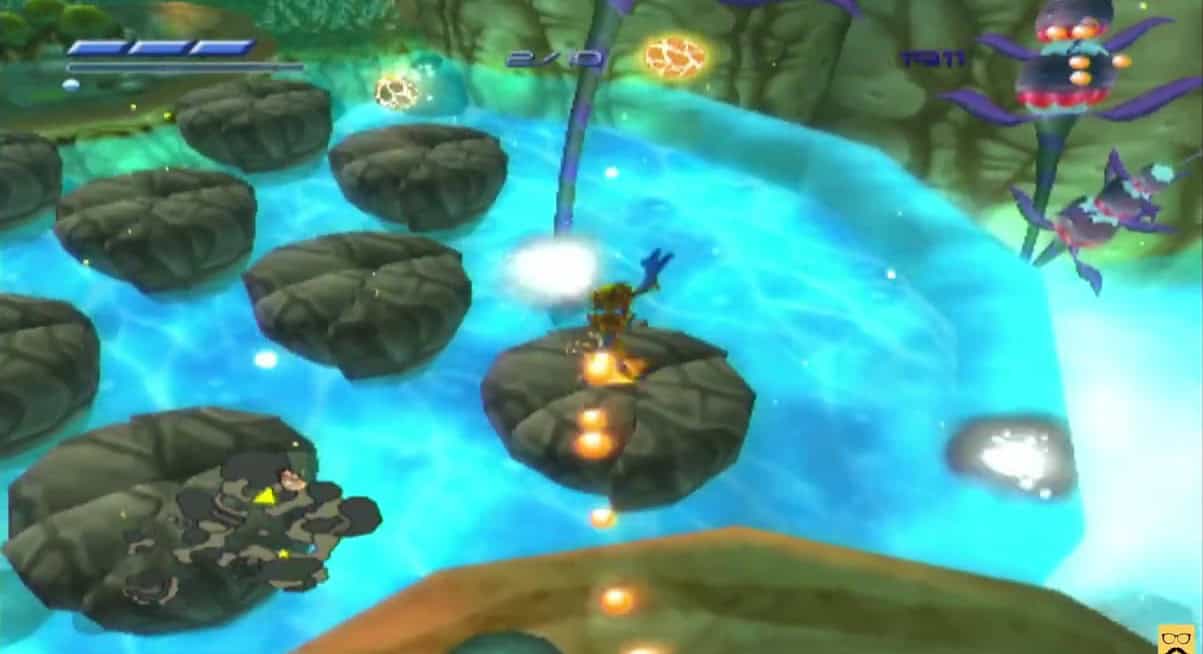
Scaler leans into colorful, stylized visuals. The environments are clear, easy to read, and built around vertical movement, which matters when you’re spending half the game on walls.
The soundtrack keeps the energy up during platforming sections and stays subtle while you explore, which I thought was a nice touch.
Does it hold up?
At first the movement feels awkward. It’s a new game and you’re learning how to climb, reposition, and figure out how everything works. But once it clicks, you start flowing through levels, and that’s where Scaler really shines.
Critics were split. IGN gave it an 8 out of 10, Game Informer gave it a 4.5, and it averaged around 70 on Metacritic. Most reviews liked how it looked and played but called the story and level design formulaic. That lines up with my take: it’s not reinventing the genre, but it does just enough to feel different.
I’ve also noticed Scaler popping up in conversations again, especially on Reddit, where overlooked PS2 platformers are getting a second look. Not because it was a massive hit, but because it tried something different.
Collecting Scaler
From a collector’s perspective, Scaler sits in an interesting middle ground. Not rare, not super common, but definitely overlooked. Those are often the most fun games to rediscover.
The North American PS2 release is SLUS-20957, and a complete copy is the case, the disc and the manual. Mine is complete:
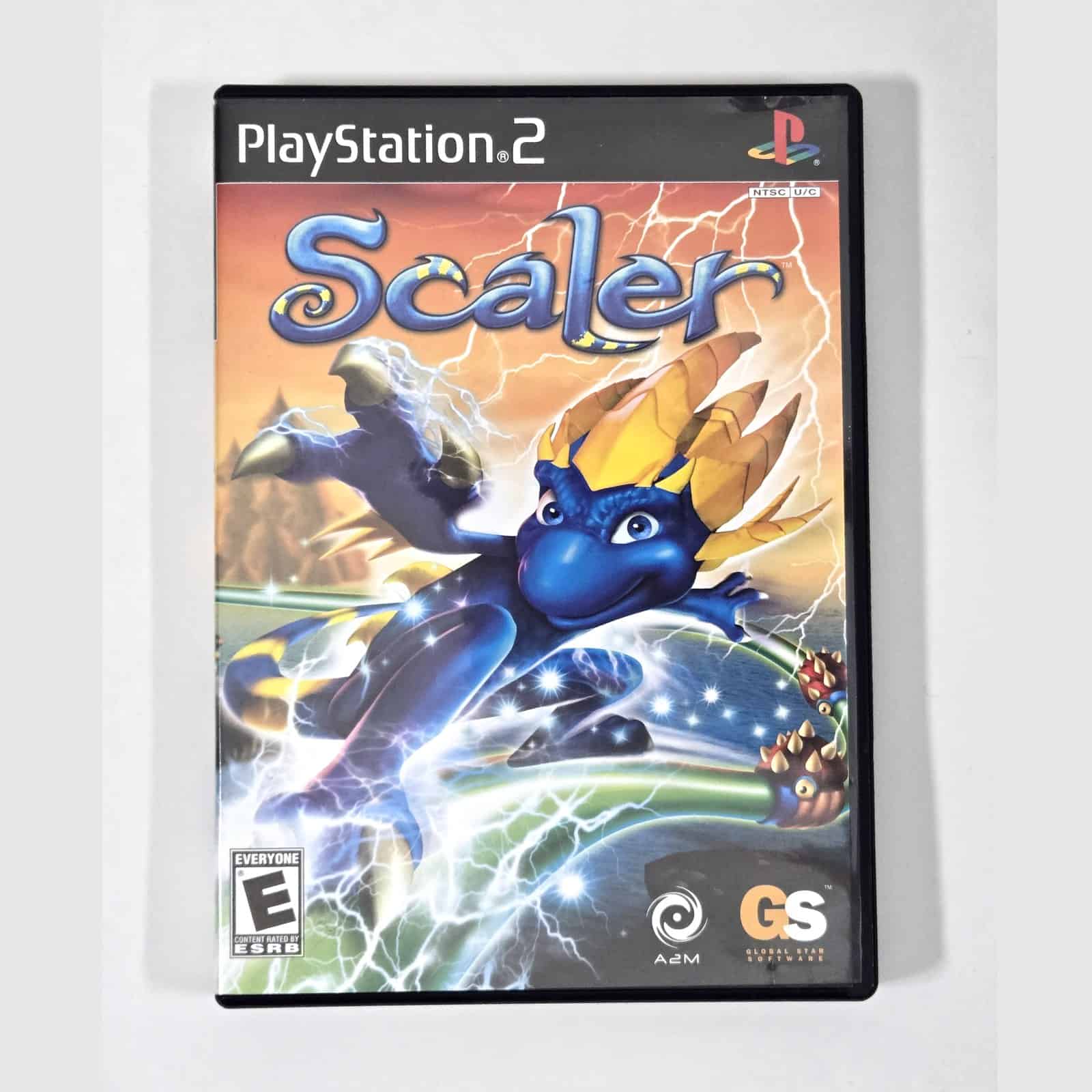
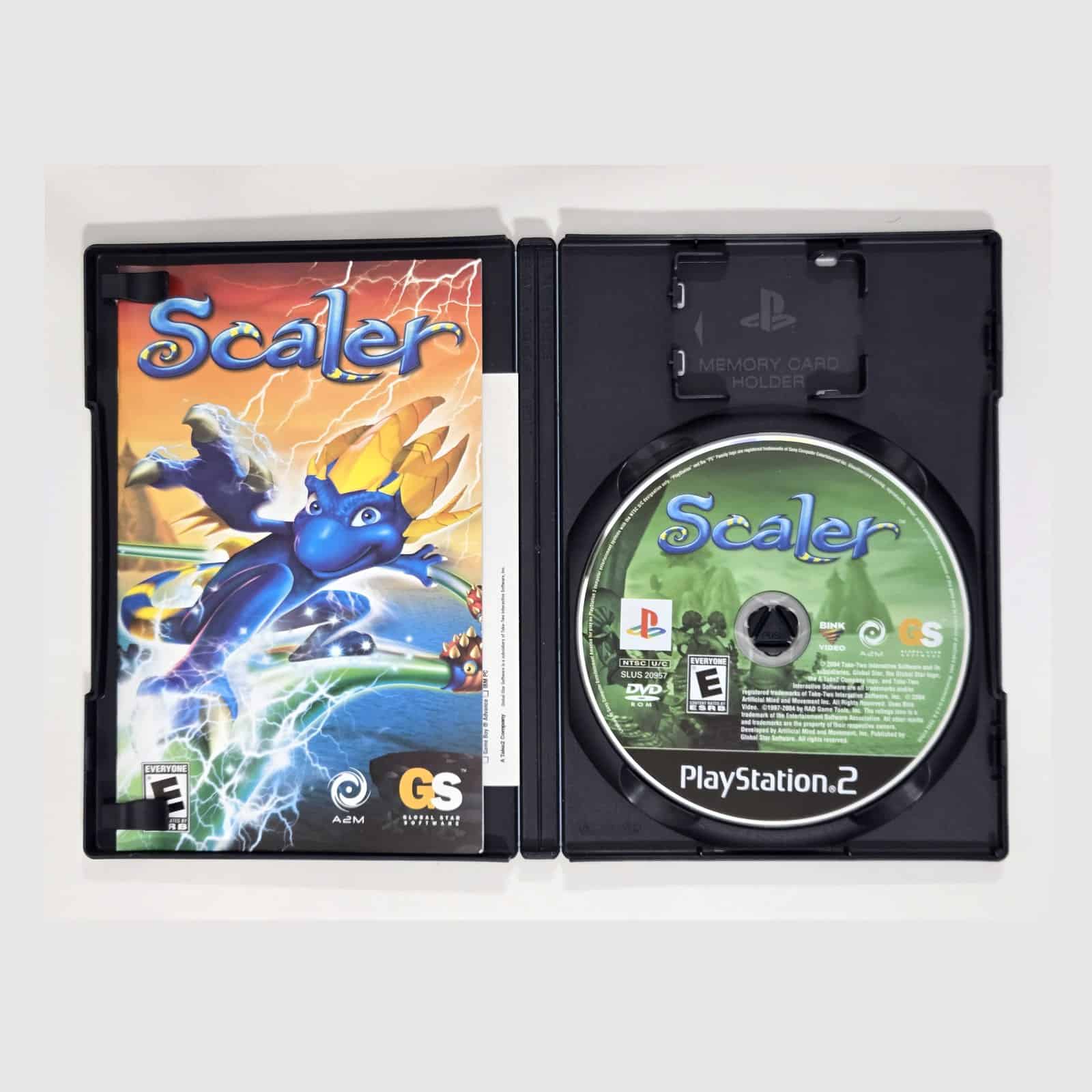
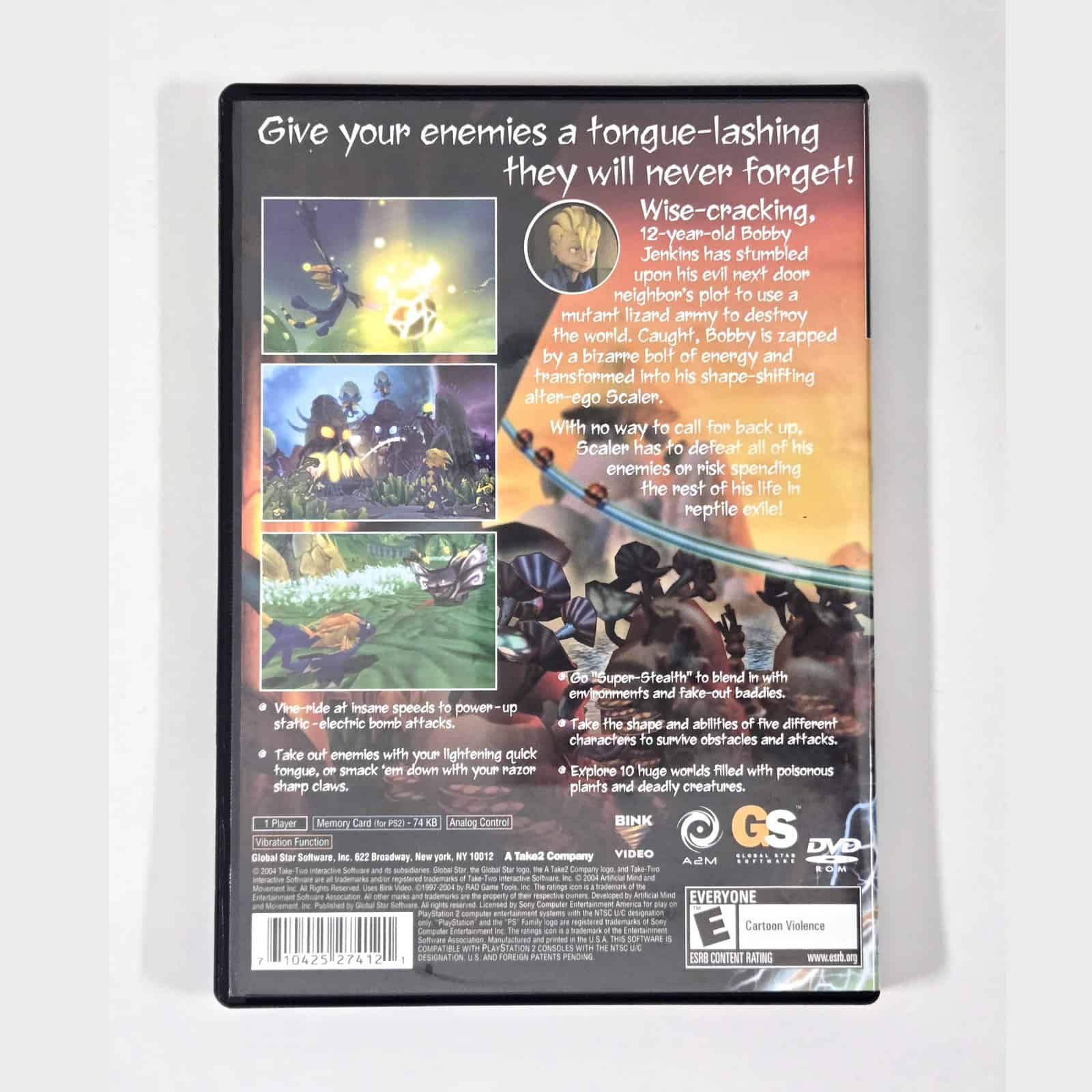
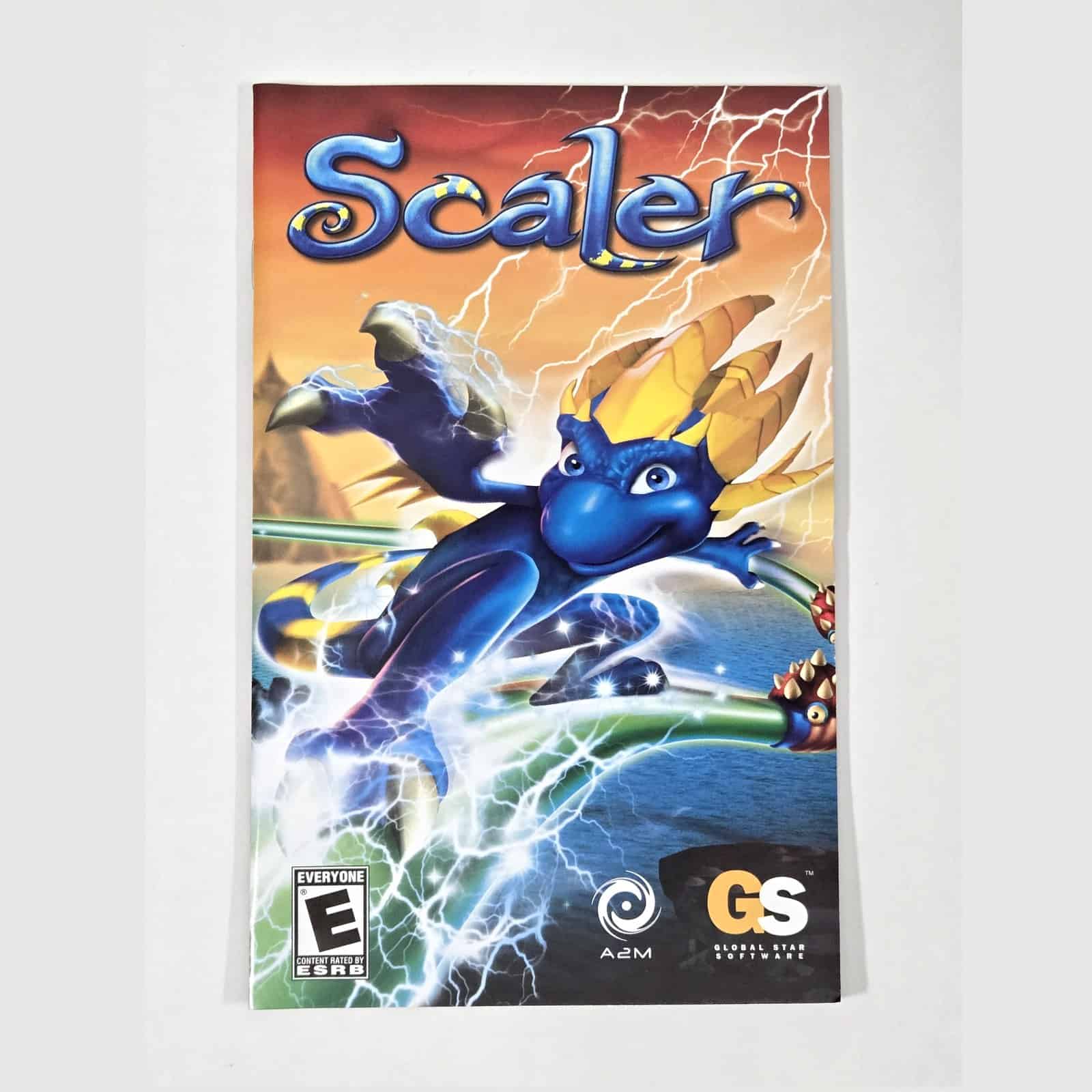
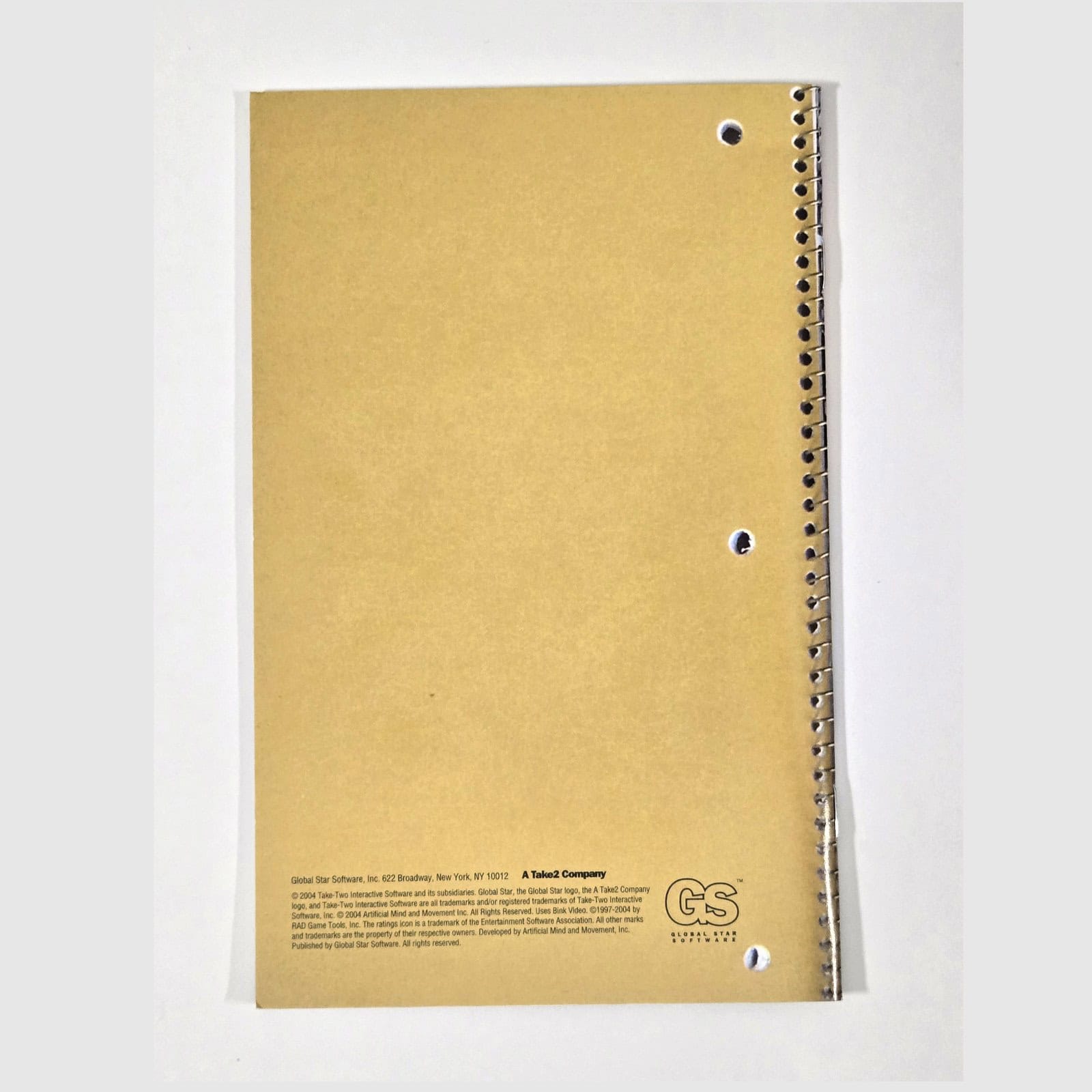
Want one for your shelf? Check Scaler on eBay, and look for listings that show the manual.
If you’re new to PS2 collecting, my PS2 Beginner’s Guide covers how to get set up cheap. And if you want something stranger after this, check out my Eternal Poison review.
Scaler FAQ
What’s the PS2 game with the blue lizard?
It’s Scaler (2004). You play Bobby Jenkins, a kid who gets turned into a blue lizard, climbing walls, grabbing enemies with your tongue and transforming into other creatures. It also came out on Xbox and GameCube.
Who made Scaler? A2M (Artificial Mind and Movement) developed it, and Global Star Software published it in 2004.
What platforms is Scaler on? PlayStation 2, Xbox and GameCube. The PS2 and Xbox versions came out in North America in October 2004, and the GameCube version followed in November.
Who is Scaler? Scaler is Bobby Jenkins, a 12-year-old who gets turned into a blue lizard after stumbling onto a villain’s plan to build an army of mutant lizards.
What can Scaler transform into? Five enemy forms: Bakudan, Krock, Doozum, Fruzard and Swoom. You unlock them by defeating enough enemies of each type.
What are Klokkies in Scaler? The energy you collect, which Leon can turn into upgrades like extra health and stronger claws.
Is Scaler worth playing today? If you like PS2 platformers and want something a little different, yes. The movement feels awkward at first, but once climbing clicks, the levels open up.
The verdict
Scaler isn’t trying to reinvent platformers. It introduces just enough to feel different: wall climbing, a tongue attack, enemy transformations and vine surfing. For PS2 collectors like me, it’s one of those games worth revisiting.
You stay frosty.
Leave a Reply
You must be logged in to post a comment.