Category: Reviews & Hidden Gems

Single-game deep dives on the games worth your time, from PS1 hidden gems to modern releases. What it is, how it plays, whether it holds up, and what it’s worth to collect.

  • Psi-Ops: The Mindgate Conspiracy (PS2) Review

    Psi-Ops: The Mindgate Conspiracy (PS2) Review

    Have you ever been on the couch, really wanting a peanut butter and jelly sandwich, and just not felt like getting up? Same. Every time it happens, I think the exact same thing: man, telekinesis would be really useful right now. I don’t have telekinesis. Nick Scryer does. In Psi-Ops: The Mindgate Conspiracy, instead of making sandwiches, he uses it to pick people up, slam them into walls, throw them off ledges and launch crates across rooms. It’s a PlayStation 2 (PS2) game from 2004, and it’s freaking awesome.

    Psi-Ops is one of those PS2 games that never comes up when people list the greats, and that’s exactly why I wanted to cover it. It hands you a stack of psychic powers and a real physics engine, then trusts you to figure out the rest. More than 20 years later, I’m still finding new dumb things to try.

    This post contains affiliate links. If you buy through them, I may earn a small commission at no extra cost to you.

    What is Psi-Ops: The Mindgate Conspiracy?
    Watch the What is Psi-Ops part of the Psi-Ops: The Mindgate Conspiracy video on YouTube at 1:40
    ▶ Watch this part on YouTube (1:40)

    Psi-Ops: The Mindgate Conspiracy is a third-person action game developed and published by Midway, released in North America on June 14, 2004 for PS2 and Xbox. You play Nick Scryer, a psychic soldier who builds up six powers, from telekinesis to pyrokinesis, all running on Havok physics.

    At first glance, it looks like every other action game from that era. You’ve got guns, military bases, a terrorist organization, stealth, cover, and a hero who looks like he probably hasn’t smiled since 1997. Pretty standard stuff. Then the game gives you telekinesis, and suddenly you don’t care about your gun anymore.

    The setup: Nick is a Mindgate agent sent undercover into The Movement, a group of former Mindgate psychics led by a man called The General. To get him past their psychic screening, his memory was wiped and his abilities were suppressed. As his memories come back, so do his powers, which is a slick excuse for the game to hand them to you one at a time.

    Fun one: early in development, Nick wasn’t Nick Scryer. He was Nick Geller, a nod to the famous spoon-bender Uri Geller.
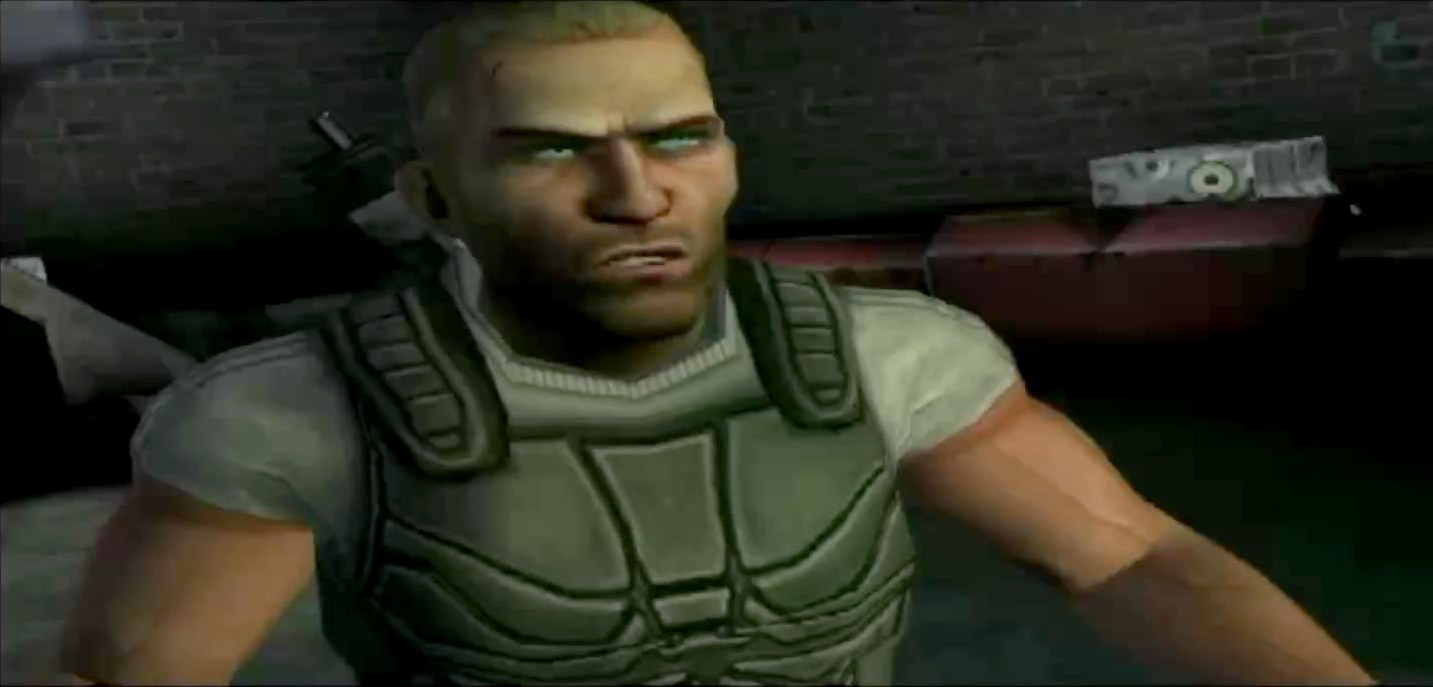
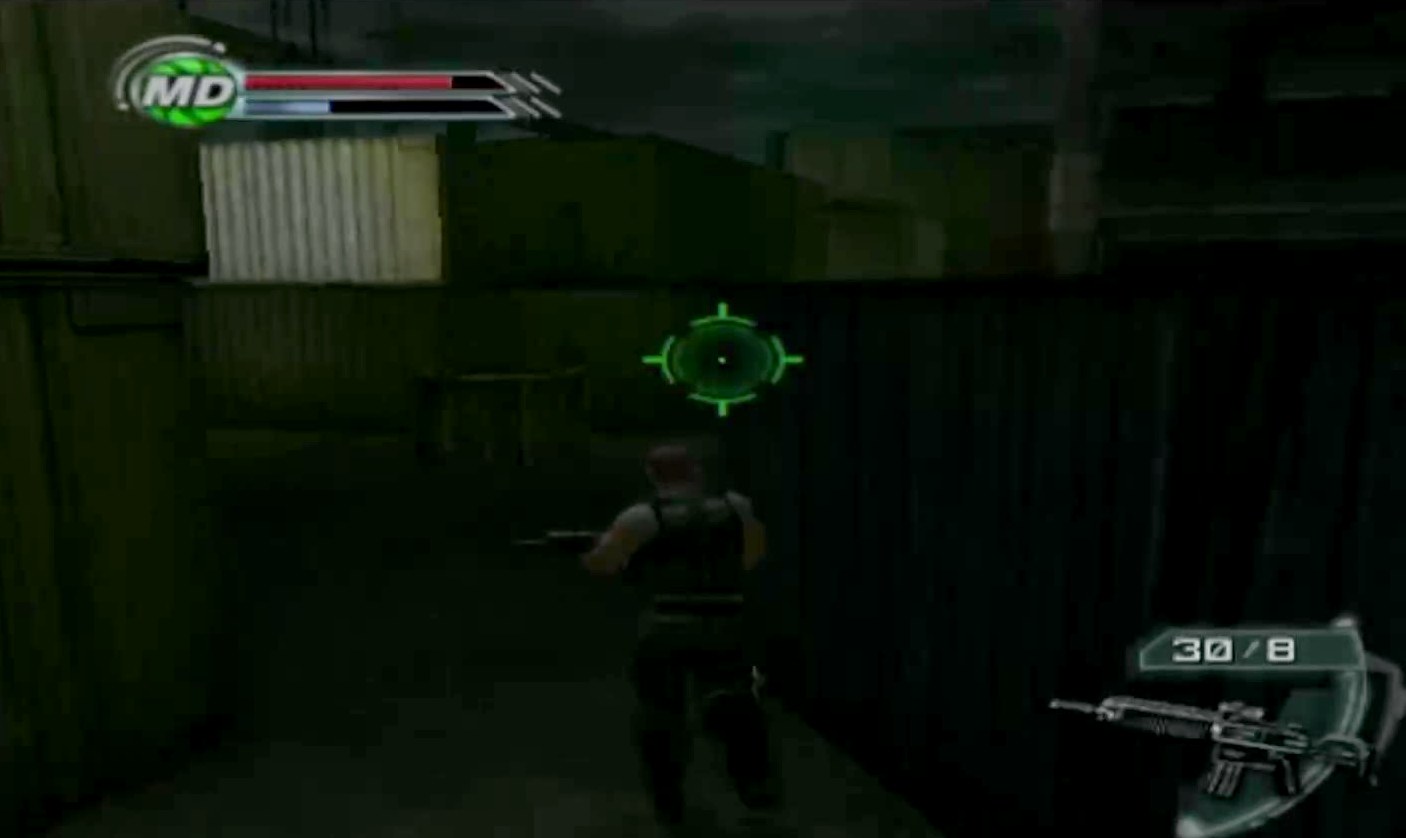
    The six psychic powers in Psi-Ops
    Watch the six psychic powers part of the Psi-Ops: The Mindgate Conspiracy video on YouTube at 2:35
    ▶ Watch this part on YouTube (2:35)

    Over the course of the game, Nick picks up six abilities:

    • Telekinesis: lift and throw objects, and people.
    • Remote Viewing: leave your body and scout ahead.
    • Mind Drain: pull psi energy out of enemies to refill your own.
    • Mind Control: take over an enemy and walk around as him.
    • Pyrokinesis: start fires with your mind.
    • Aura View: see hidden things that normal eyes can’t.

    They all have their uses. But let’s not kid ourselves. Telekinesis is the star of the show.

    Telekinesis and the Havok physics
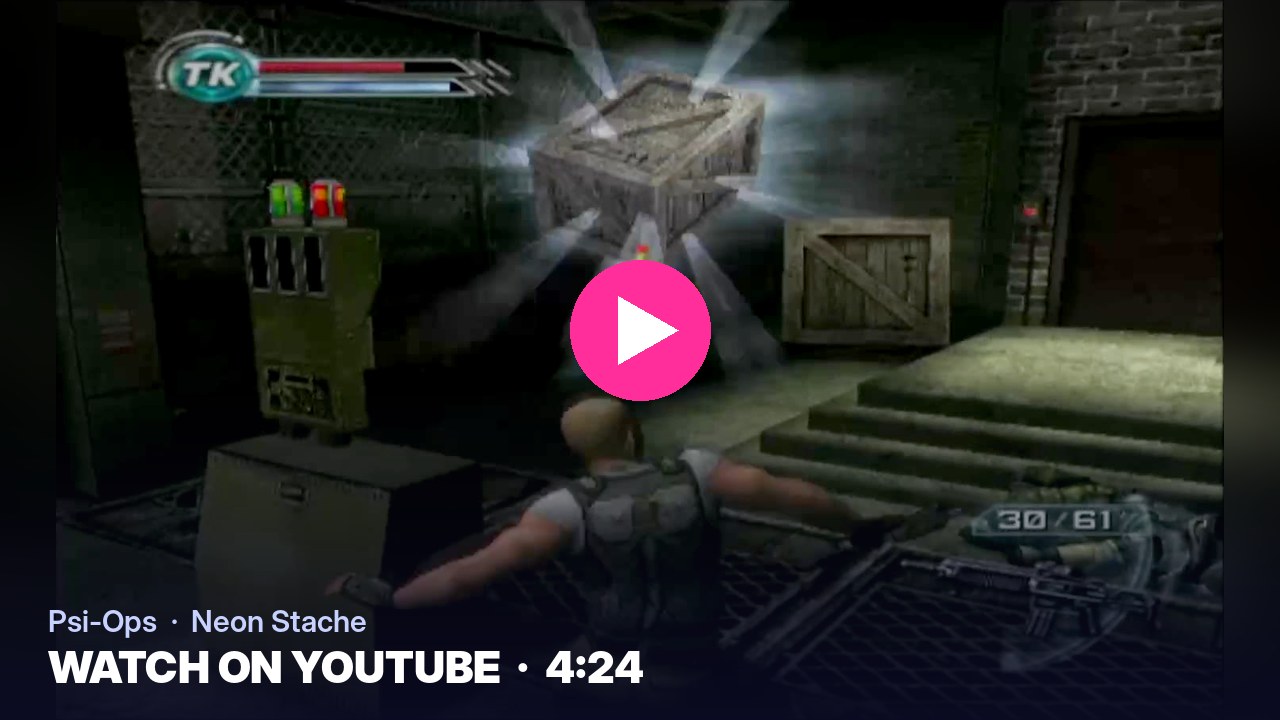
    Watch the telekinesis and physics part of the Psi-Ops: The Mindgate Conspiracy video on YouTube at 4:24
    ▶ Watch this part on YouTube (4:24)

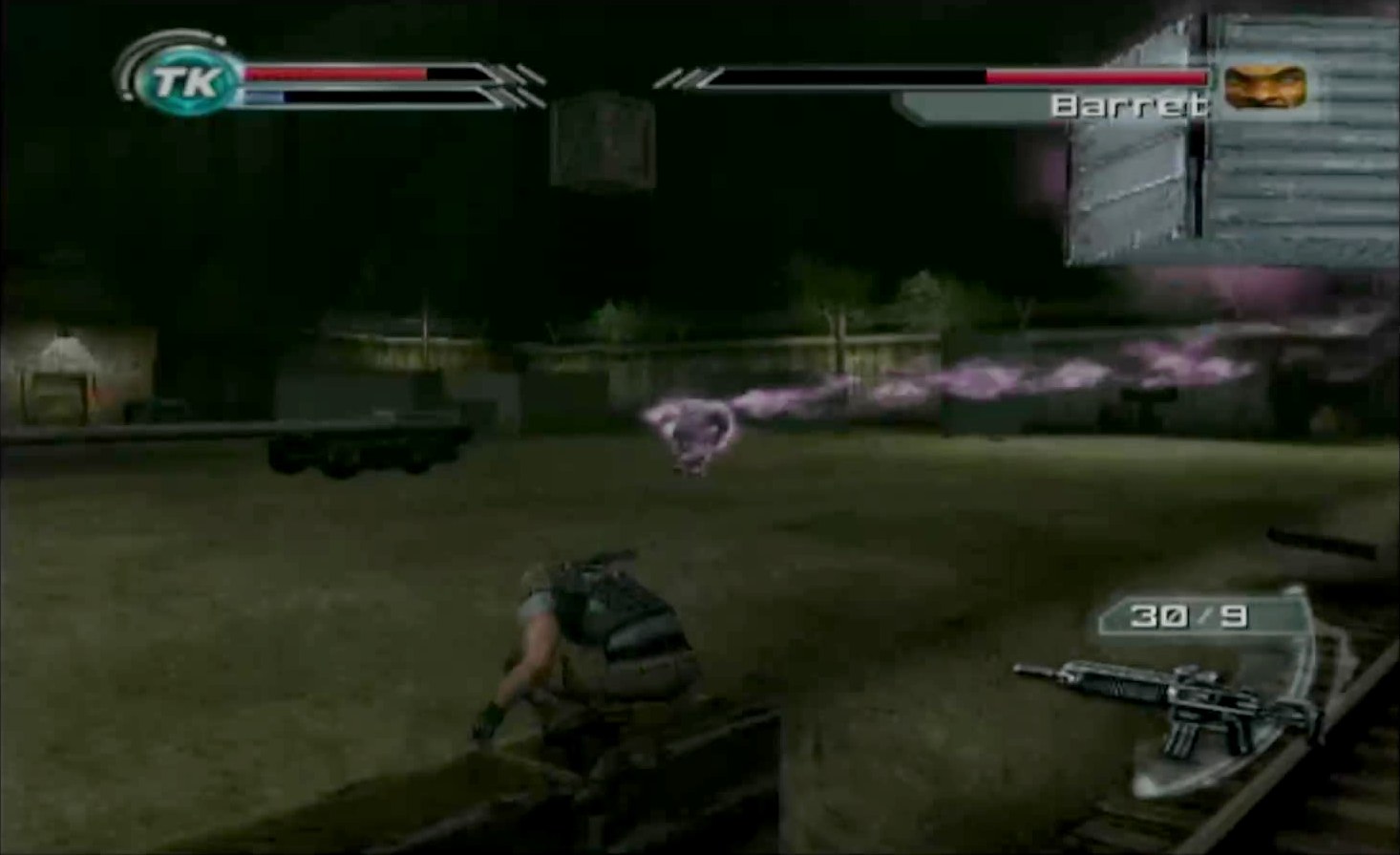
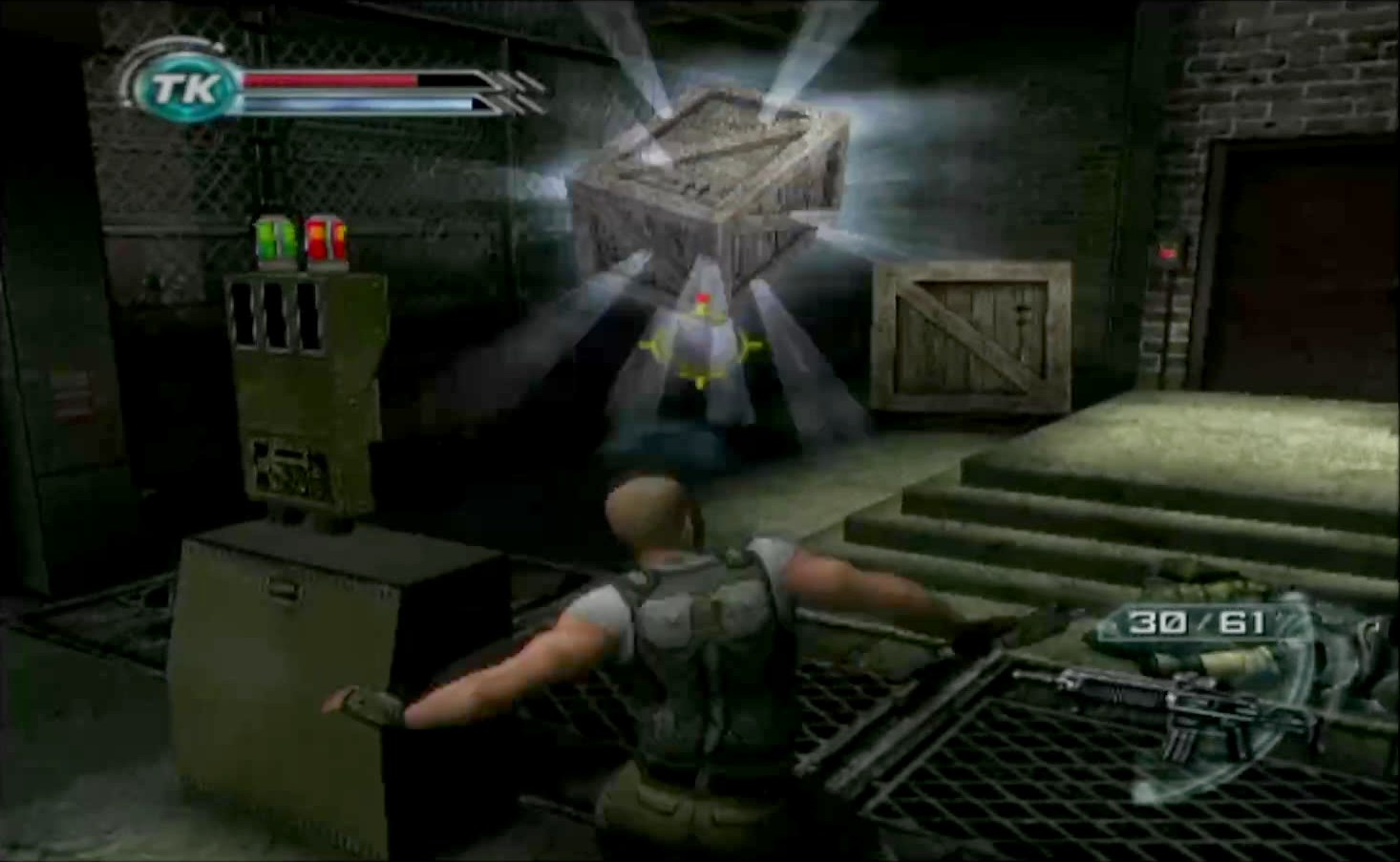
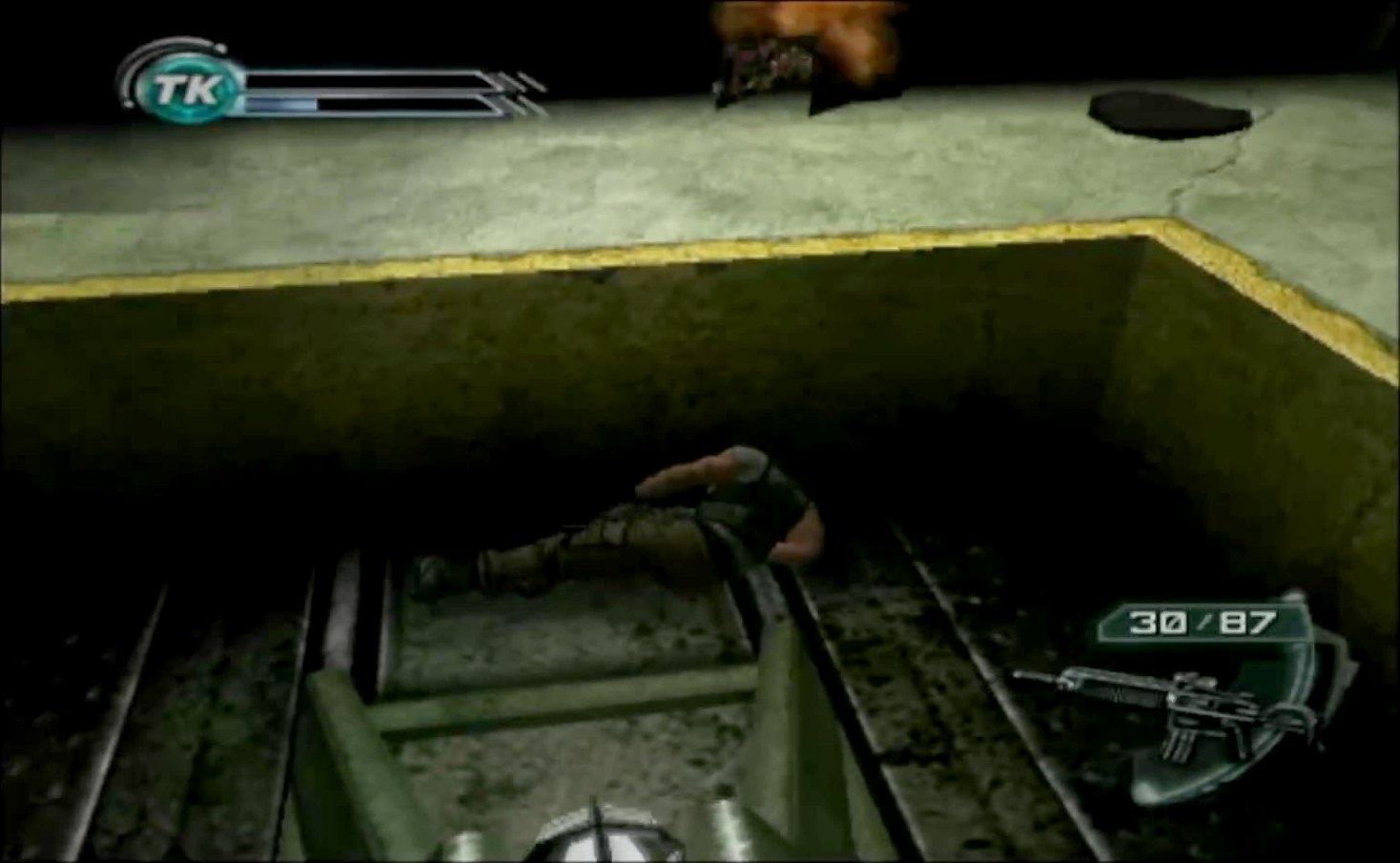
    See that crate? Pick it up with your mind and throw it at somebody. See that guy? Pick him up with your mind and throw him at somebody. Or into a wall. Or off a ledge. Or into something that’s probably, most likely, explosive.

    The game doesn’t tell you exactly how to use any of this. It gives you the powers, a legit physics engine and a room full of enemies, then basically says: you figure it out. There’s something incredibly satisfying about lifting an enemy completely off the ground and watching him flail around while you decide what to do with him.

    And it’s not a canned animation. The physics react to what’s happening around you. Bodies hit walls. Objects collide with enemies. Enemies collide with other enemies. Stuff falls over, things go flying, and that unpredictability is a big part of why the game is still fun.

    Midway built Psi-Ops around that idea. The game runs on Havok physics, and the team wanted the powers and the physics to work together as real gameplay. During development they built a simple sandbox room full of enemies and objects just to experiment with the powers, and it was fun enough that they kept it as bonus content. Makes complete sense to me. Give me an empty room, three guards, a few crates and telekinesis, and I’ll entertain myself way longer than any responsible adult should.

    More than throwing people

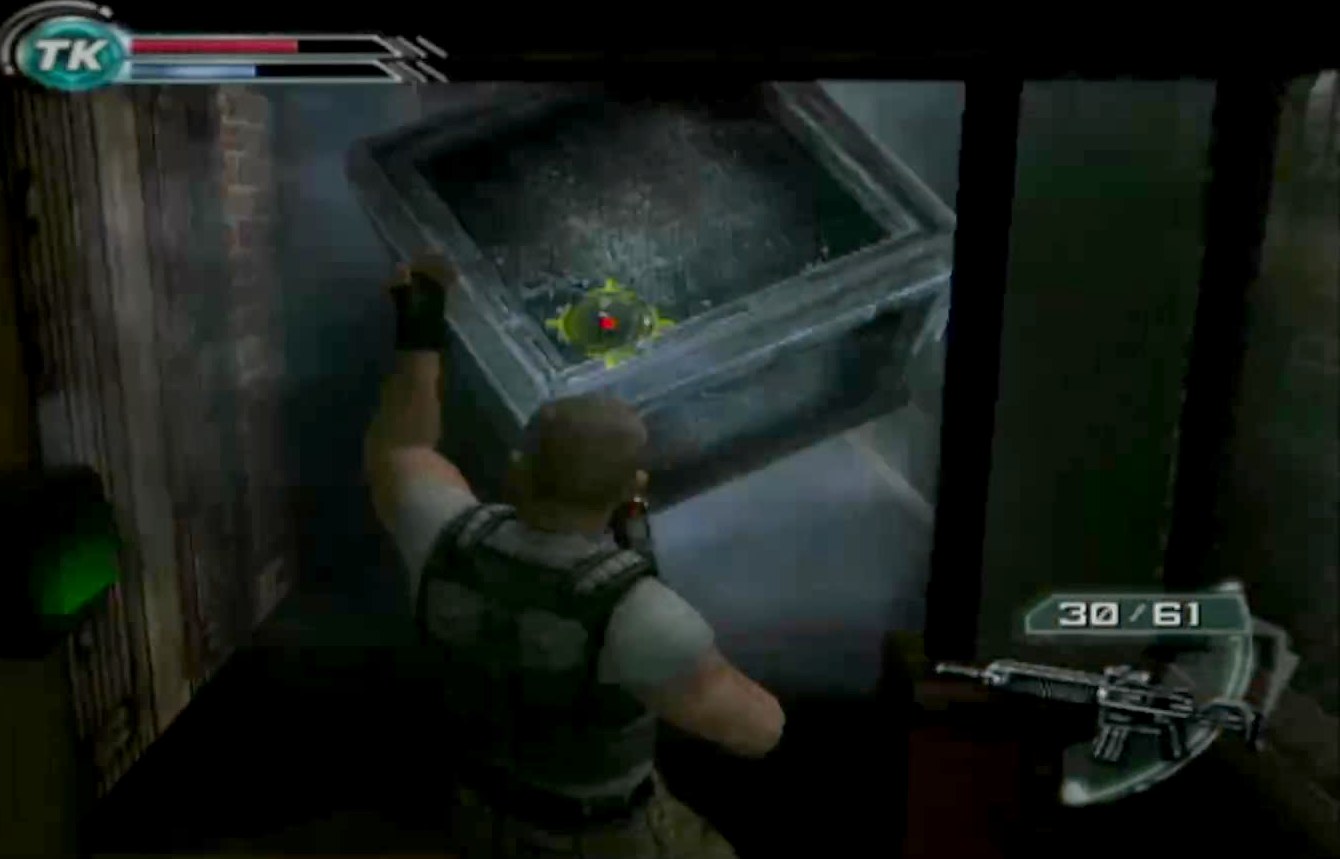
    Telekinesis isn’t only for throwing people, either. You can move objects to solve puzzles, use the environment as a weapon, and pull health kits or ammo down from up high. You can even use telekinesis on an object while you’re standing on it, which means with a little creativity, Nick can move himself around. That’s the magic of Psi-Ops: you keep asking “can I do this?” and surprisingly often, the answer is yes.
    Remote Viewing, Mind Drain and Mind Control
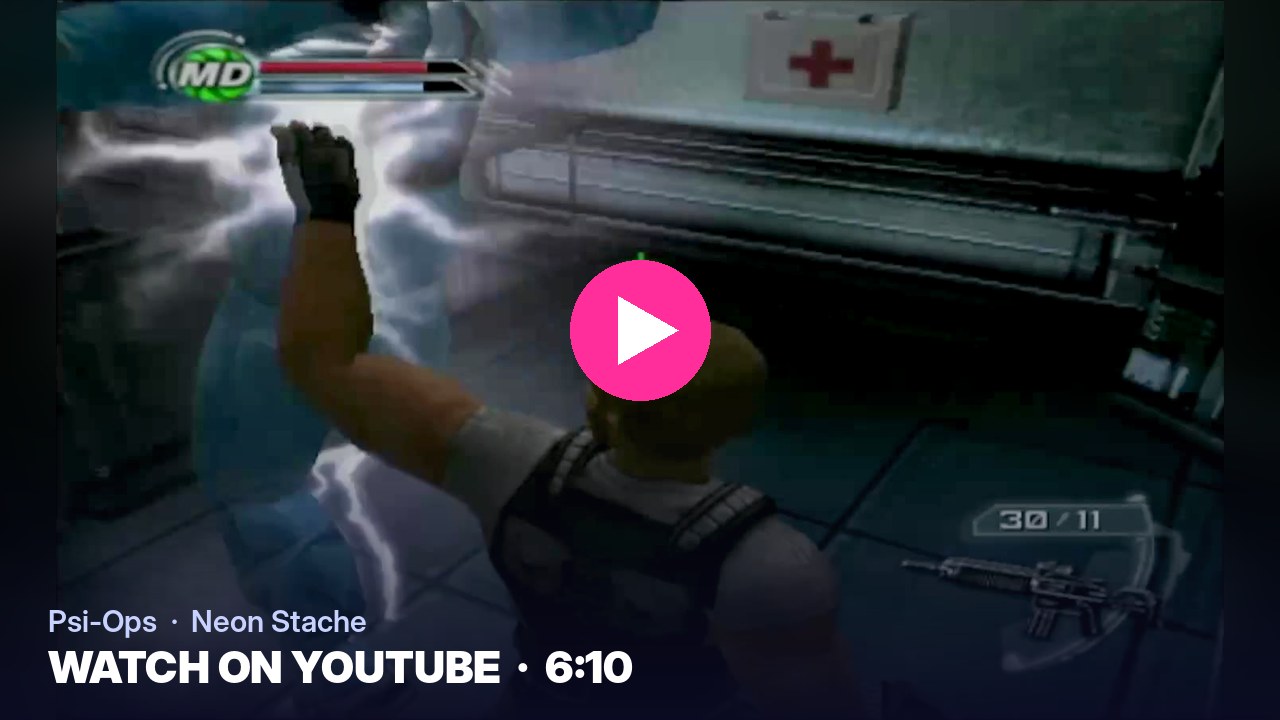
    Watch the Remote Viewing, Mind Drain and Mind Control part of the Psi-Ops: The Mindgate Conspiracy video on YouTube at 6:10
    ▶ Watch this part on YouTube (6:10)

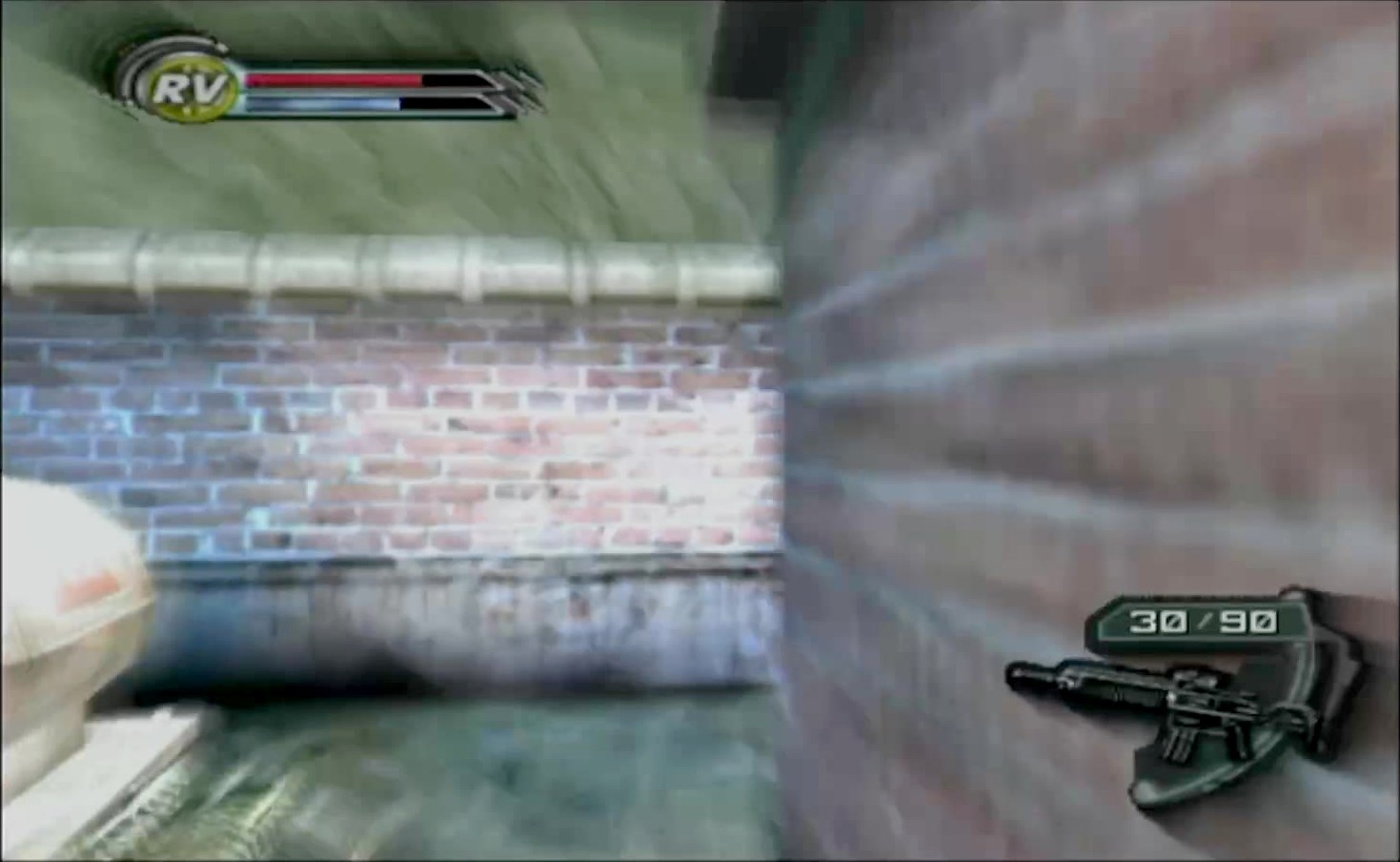
    Remote Viewing lets Nick leave his body and scout ahead without walking into the room himself. You can look through rooms, find enemies, figure out what’s waiting for you, and sometimes pick up information you couldn’t reach on foot.

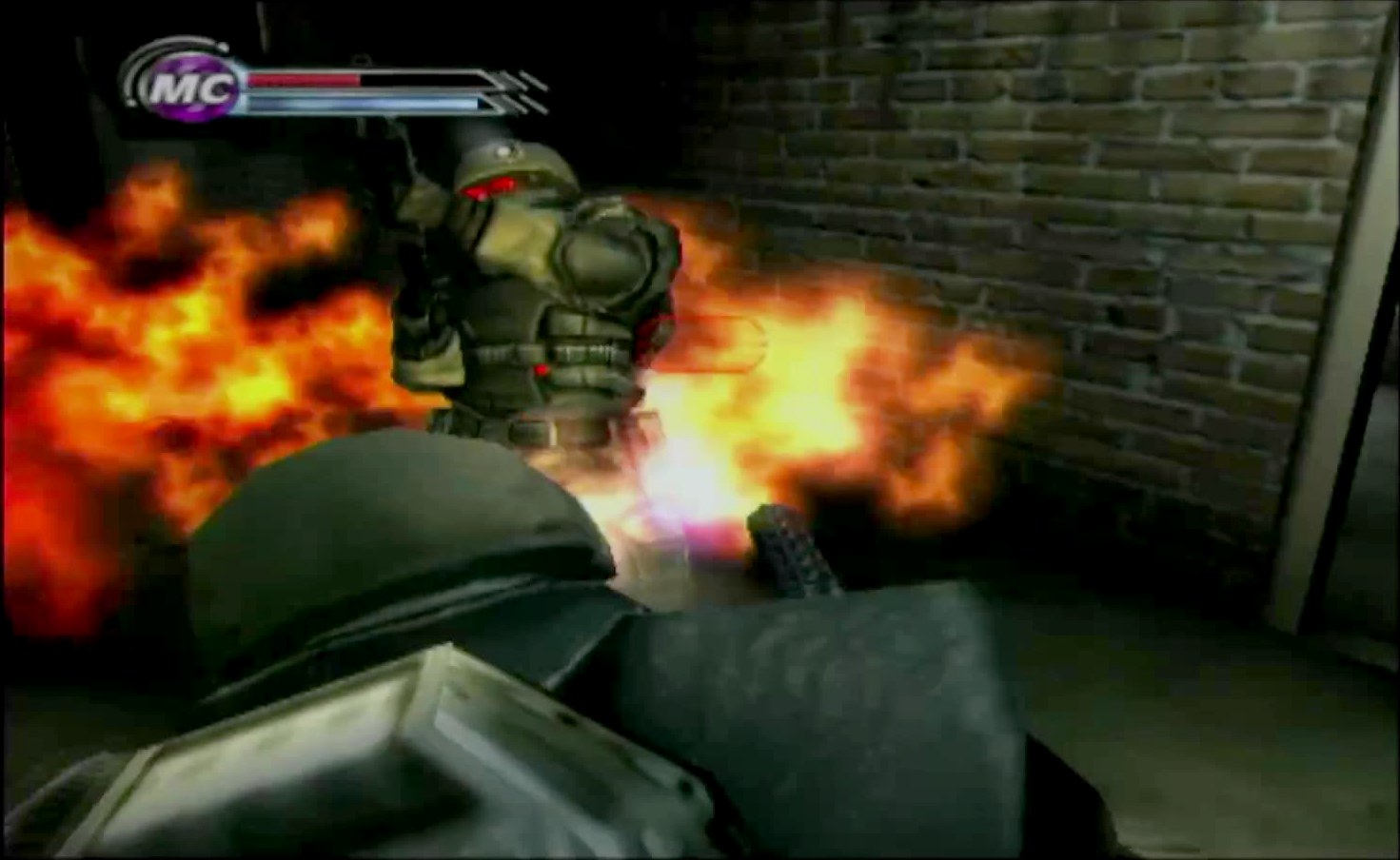
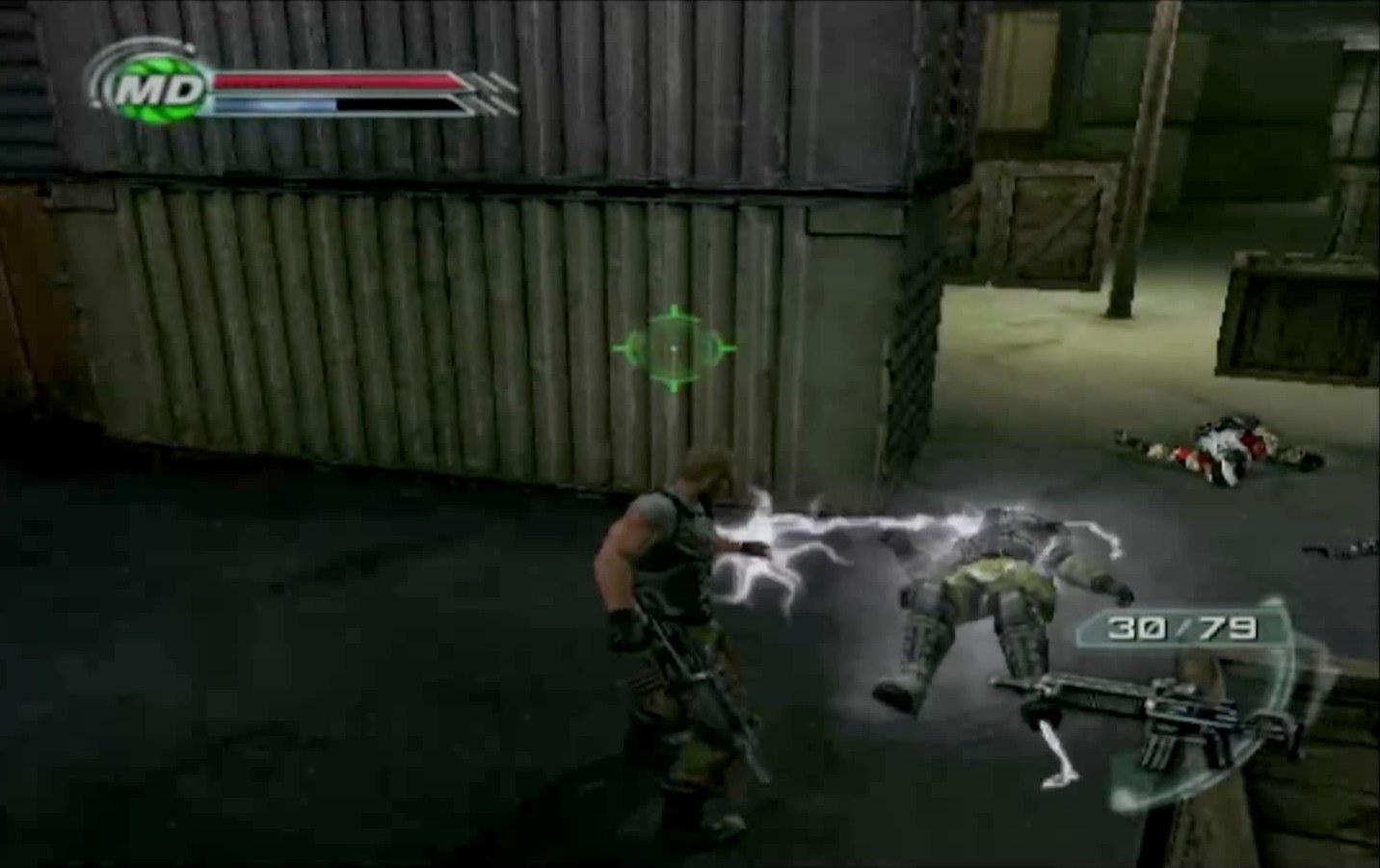
    Mind Drain is a little less socially acceptable. You drain psi energy directly from an enemy to refill your own. And if you use it on a living enemy, let’s just say the procedure doesn’t end well for the patient. Yeah. Their head explodes.

    Mind Control is another one of my favorites. You take over an enemy, walk around as him, use his weapons, attack his own buddies, and use him to get into spots Nick couldn’t safely reach. Think about how ridiculous that is for a game from 2004. You aren’t just stunning an enemy. You’re temporarily becoming him, and he turns into another tool in your toolbox.
    Pyrokinesis and Aura View
    Watch the Pyrokinesis and Aura View part of the Psi-Ops: The Mindgate Conspiracy video on YouTube at 7:50
    ▶ Watch this part on YouTube (7:50)

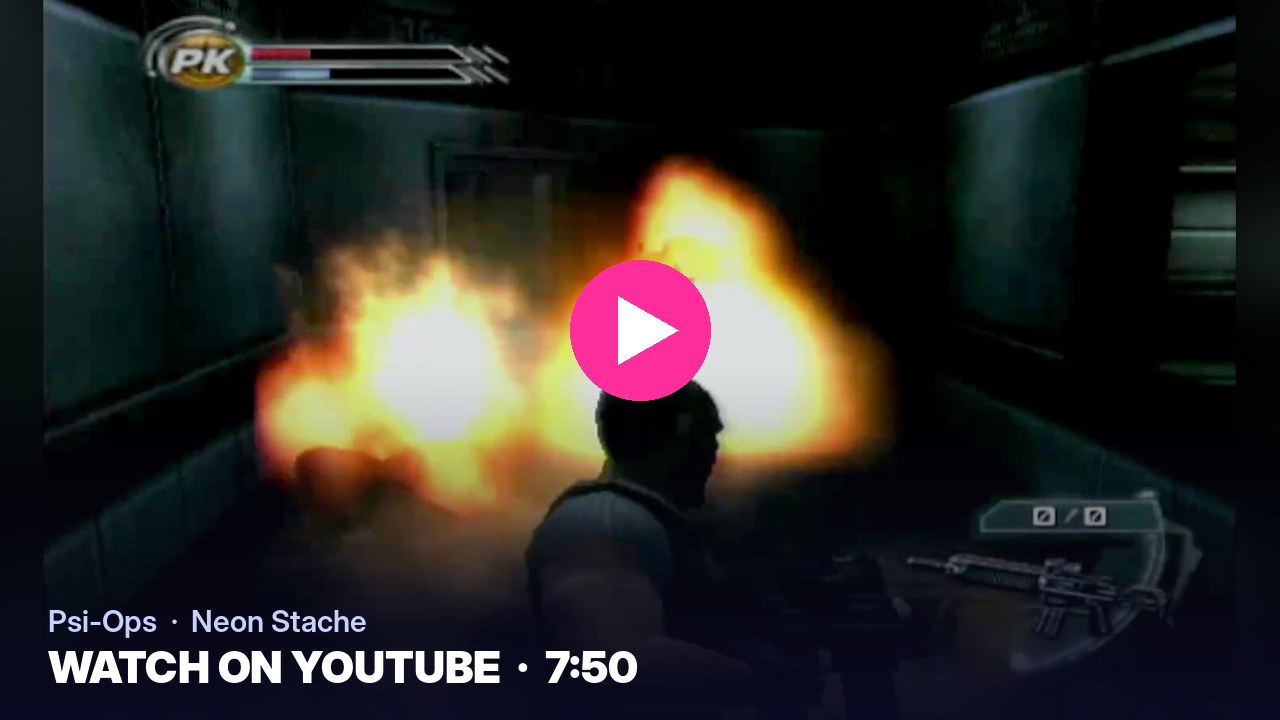
    Pyrokinesis is fire with your mind. You can ignite enemies and set objects on fire, and better yet, combine it with telekinesis: light something on fire, pick it up and throw it at somebody. That’s where Psi-Ops stops feeling like a third-person shooter and starts feeling like a psychic playground. The powers don’t live on their own. You start combining them, and that’s when the combat really opens up.

    Aura View lets Nick see things that normally aren’t visible, including hidden objects and certain supernatural stuff. It’s probably not the power you’ll spend hours screwing around with, but it rounds out the toolkit and gives the game another way to build puzzles and encounters around Nick’s abilities.
    ESPionage: the name Psi-Ops almost had

    Watch the ESPionage part of the Psi-Ops: The Mindgate Conspiracy video on YouTube at 8:56
    ▶ Watch this part on YouTube (8:56)

    Psi-Ops wasn’t always called Psi-Ops. Its earliest promotion used the name ESPionage. ESP plus espionage. Psychic spying. Get it? I actually kind of love it. That’s peak early-2000s video game naming right there.

    Producer Brian Eddy told GameSpot the old name made people think it was just another military game, so Midway went with Psi-Ops: The Mindgate Conspiracy instead. Which sounds approximately 12 times more dramatic, and I’m completely fine with that.

    What makes Psi-Ops special
    Watch the what makes Psi-Ops special part of the Psi-Ops: The Mindgate Conspiracy video on YouTube at 9:28
    ▶ Watch this part on YouTube (9:28)

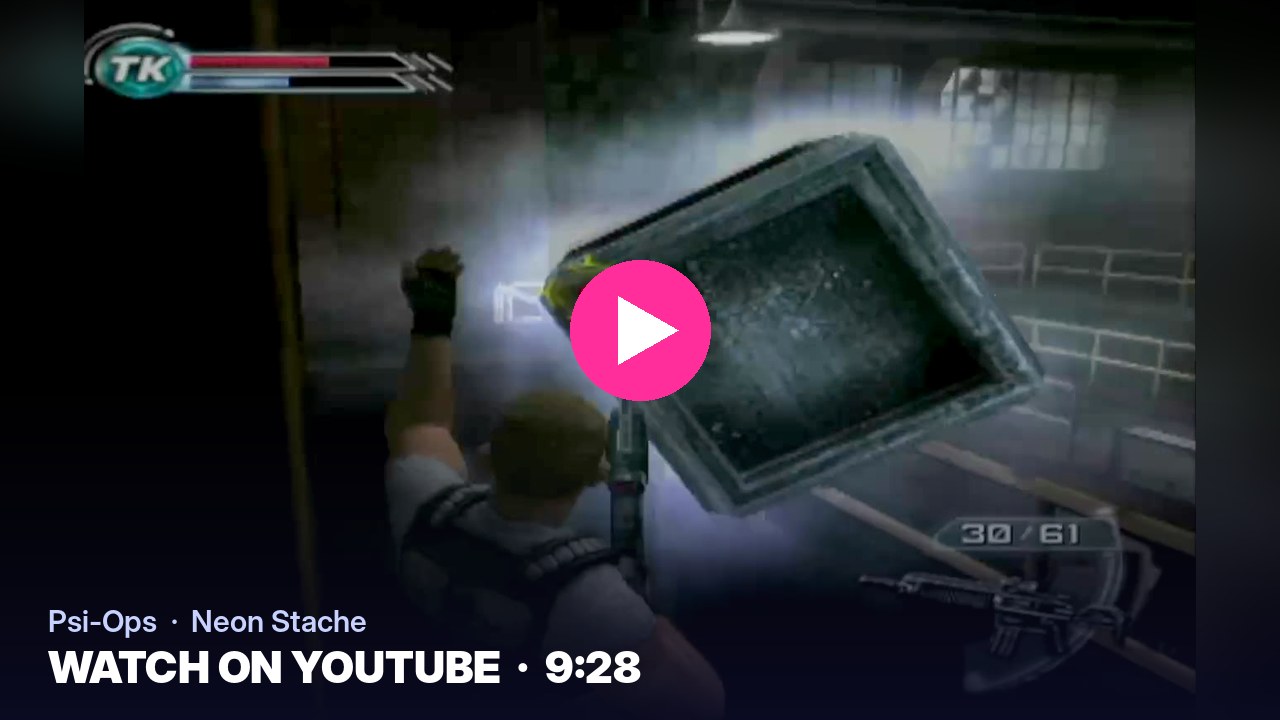
    This could have been a shooter with psychic powers slapped on top. Press button, watch psychic animation, keep shooting. That’s not what Midway made. The physics are part of the gameplay. The environment is part of your weapon set. Enemies are part of your weapon set. The powers interact with the world, so two encounters don’t have to play out the same way.

    It gives you all the toys, then trusts you to play with them. It gives you systems instead of scripting every cool moment for you. And for real, I miss that kind of experimentation in games.
    Does Psi-Ops hold up?
    Watch the does Psi-Ops hold up part of the Psi-Ops: The Mindgate Conspiracy video on YouTube at 11:25
    ▶ Watch this part on YouTube (11:25)

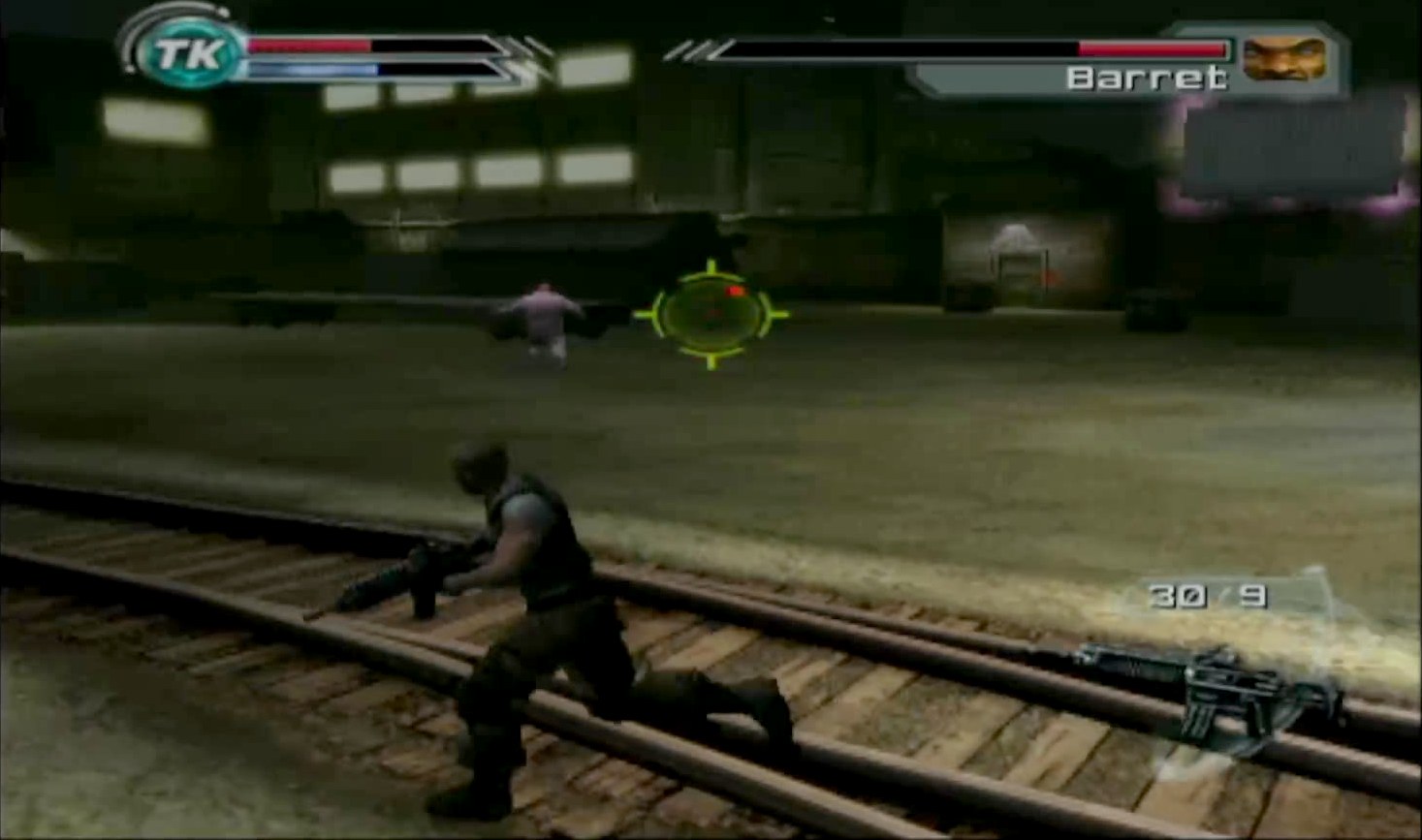
    Psi-Ops isn’t perfect. The shooting isn’t the reason I’d recommend it. Some of the environments have that gray, industrial, early-2000s action-game look, which I actually love. And the story probably isn’t what you’ll remember 20 years later. I know I don’t.

    What you’ll remember are the powers. The first time you realize you can pick up an enemy. Throwing that enemy into another enemy. Setting something on fire and launching it across the room. Experimenting. That’s why Psi-Ops still works for me today.

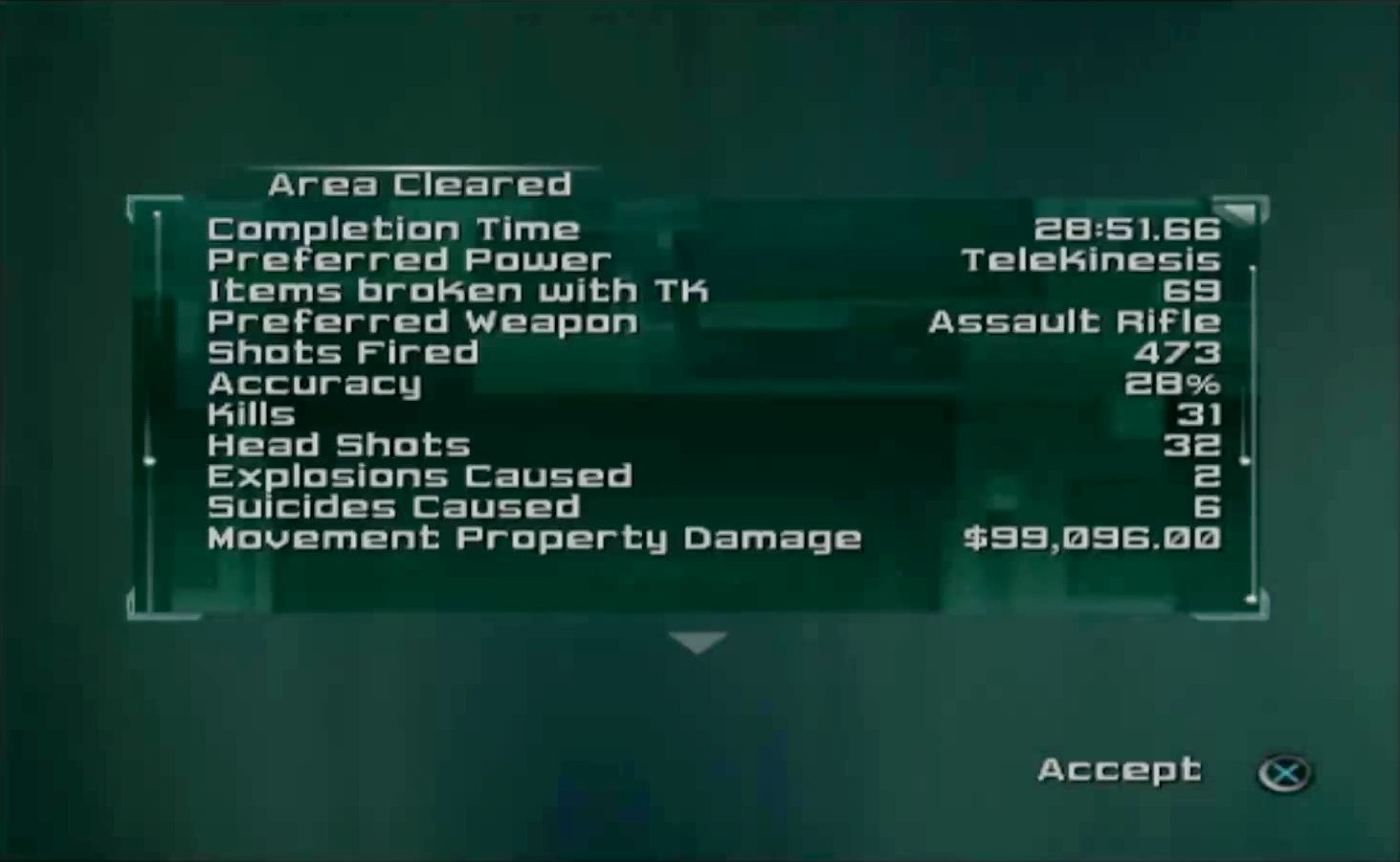
    The game seems to know it, too. The stats screen after an area tracks your “Preferred Power” and your “Movement Property Damage.” On one of mine, that read Telekinesis and $99,896.00. Seems about right.
    Collecting Psi-Ops on PS2
    Watch the collector angle part of the Psi-Ops: The Mindgate Conspiracy video on YouTube at 10:56
    ▶ Watch this part on YouTube (10:56)

    Here’s something else I love about playing Psi-Ops today. I can pull the original PS2 case off my shelf, open it, take out the disc, put it into original hardware and play it more than 20 years later. Nobody has to authenticate my license. Nobody has to keep a server running. Nobody can remove it from my account. I own it. That’s preservation, and that’s why physical media matters to me.

    Psi-Ops is also one of my favorite things about collecting for the PS2. Everybody knows Grand Theft Auto, Metal Gear Solid, God of War, Final Fantasy and Kingdom Hearts. But underneath those massive games, the PS2 library is loaded with stuff like this. You pick up the case, maybe you’ve never even heard of it, you put the disc in, and a few hours later you’re wondering how in the world you missed it. Hunting for more PS2 hidden gems? Try my Eternal Poison review, Scaler, the blue lizard PS2 platformer, or the PS2 Beginner’s Guide.

    Release notes for collectors: the North American (NTSC) PS2 version came out on June 14, 2004, the same day as the Xbox version. The European PS2 release followed on October 1, 2004, a Windows port came out in Europe in February 2005, and Capcom published it in Japan on November 10, 2005.
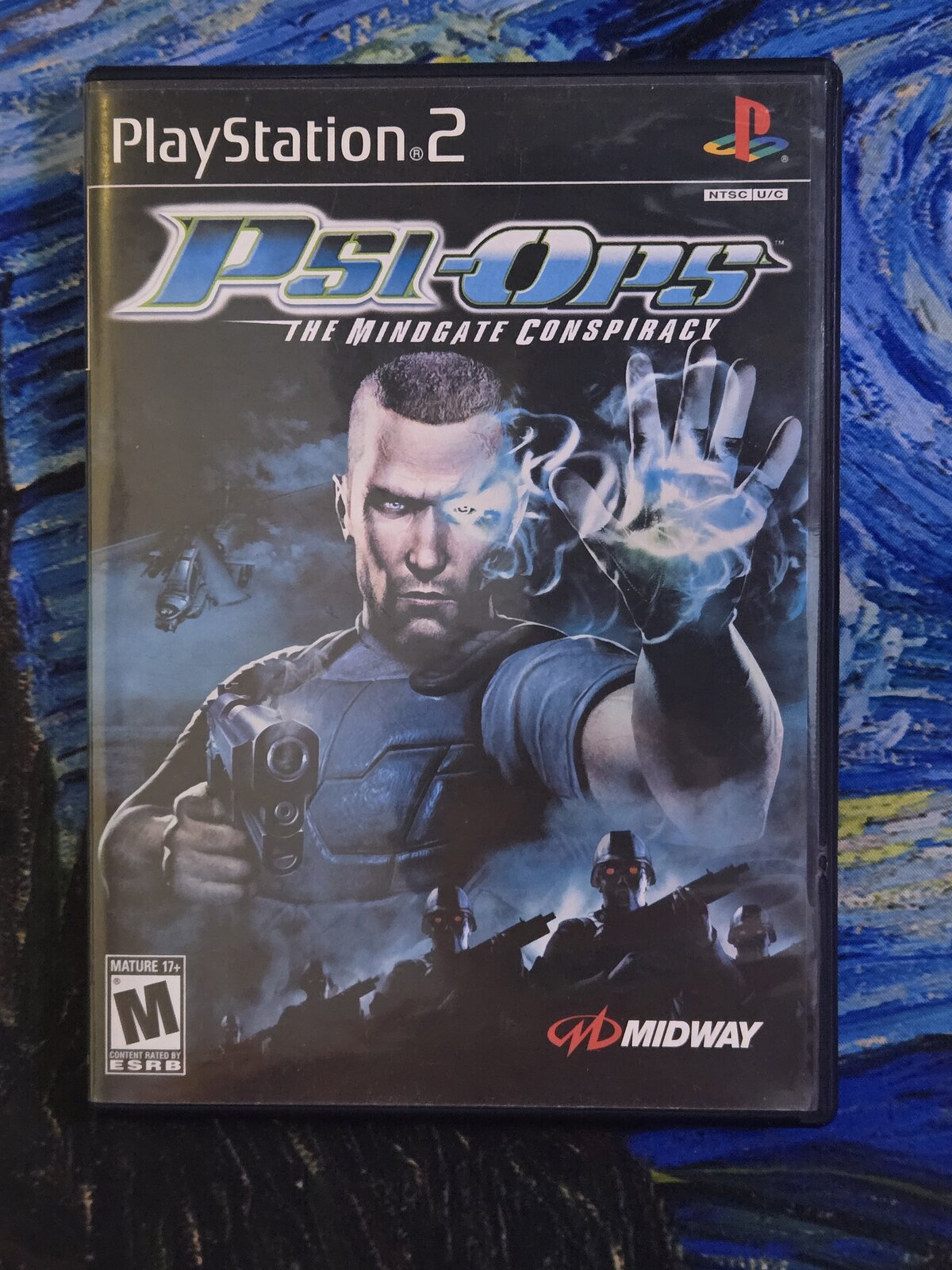
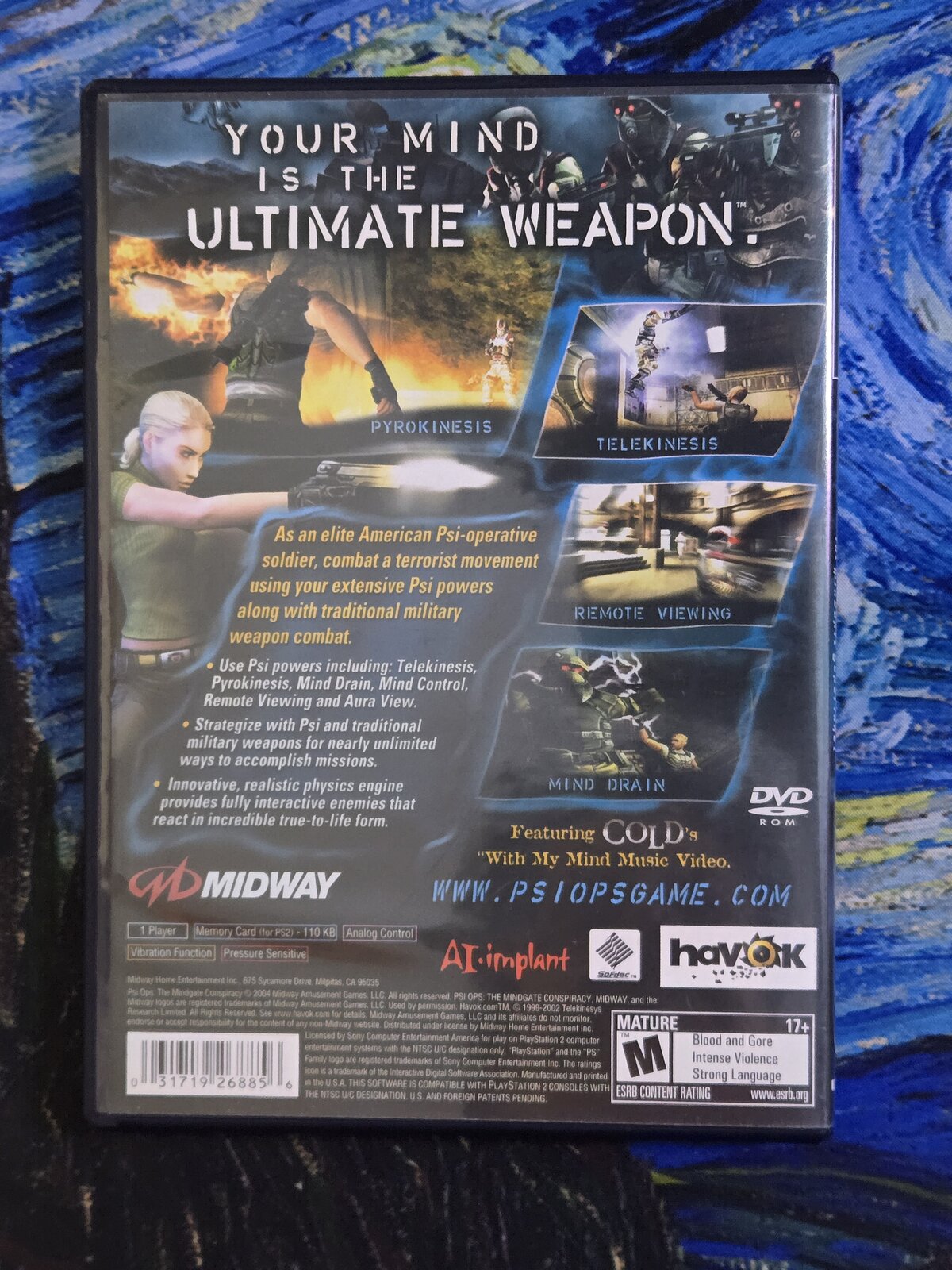
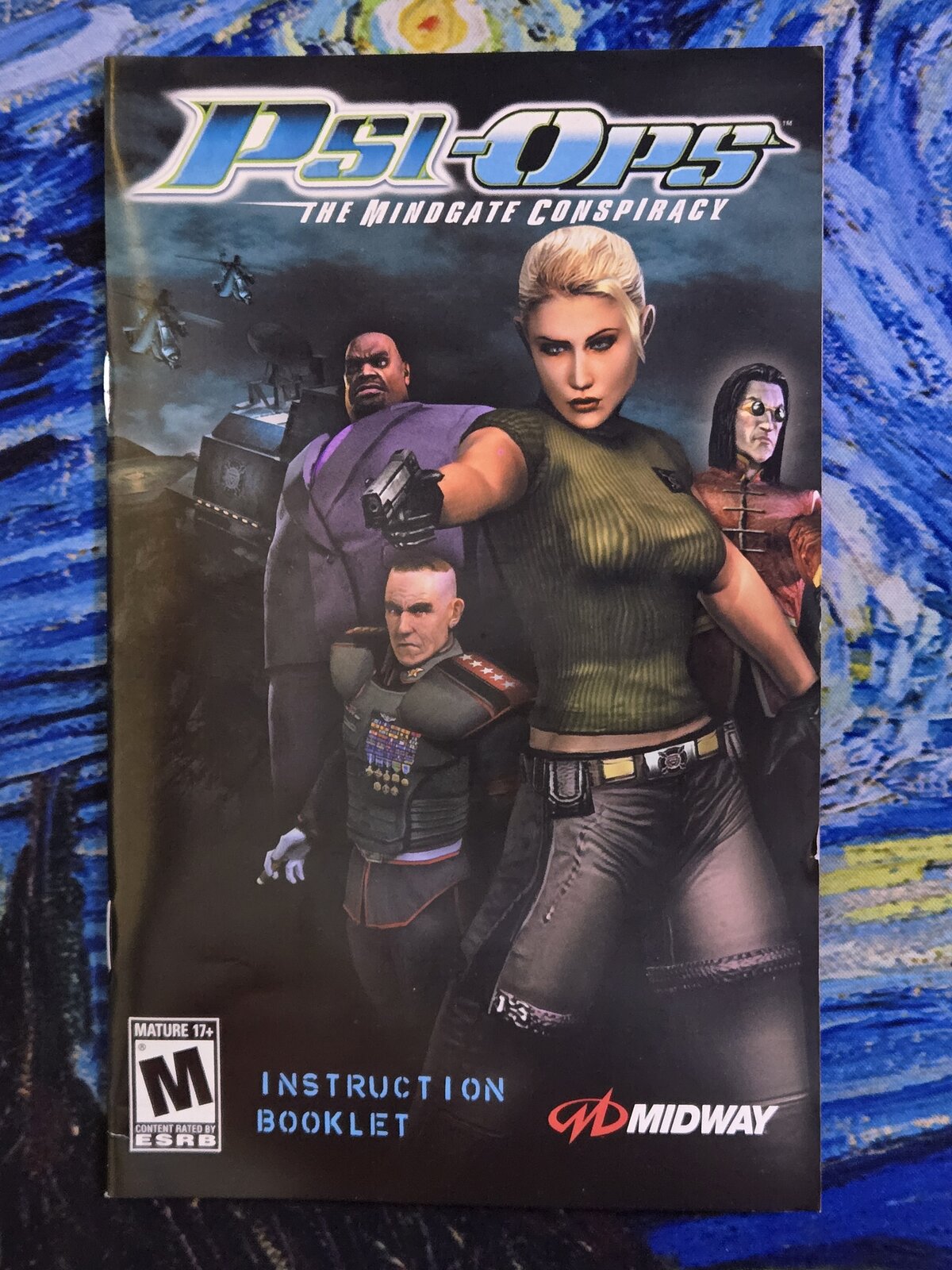
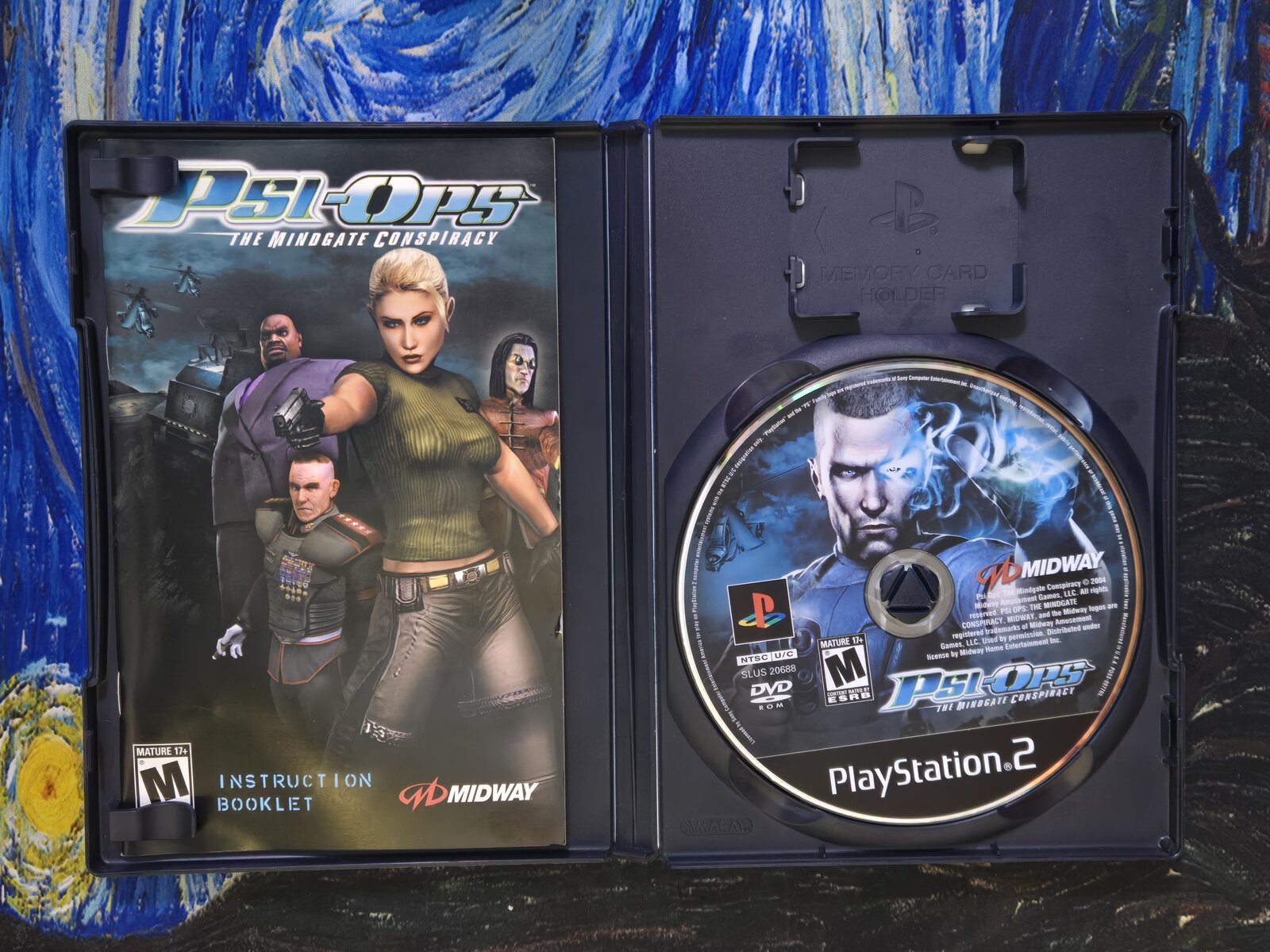
    My Psi-Ops PS2 case open, instruction booklet on the left and the Psi-Ops disc on the right

    My copy: Psi-Ops: The Mindgate Conspiracy, PS2, North American (NTSC), complete in box with the case, disc and manual.

    Find Psi-Ops: The Mindgate Conspiracy on eBay

    Psi-Ops FAQ

    Is Psi-Ops: The Mindgate Conspiracy worth playing today?

    Yes, if you want powers you can actually play with. The shooting is just okay and the story won’t stick with you, but telekinesis, Mind Control and Pyrokinesis on top of Havok physics still feel unique more than 20 years later.

    When did Psi-Ops come out?

    Psi-Ops: The Mindgate Conspiracy came out in North America on June 14, 2004 for PS2 and Xbox. Europe got the PS2 version on October 1, 2004, and a Windows port on February 11, 2005.

    Is there a Psi-Ops 2?

    No. The ending sets up a sequel, and Midway considered one, but it was shelved because the first game didn’t sell well.

    Who is Nick Scryer?

    Nick Scryer is the hero of Psi-Ops: a Mindgate psychic agent sent undercover into The Movement with his memory wiped and his powers suppressed. As his memories return, so do his abilities.

    What powers do you get in Psi-Ops?

    Six: Telekinesis, Remote Viewing, Mind Drain, Mind Control, Pyrokinesis and Aura View. Telekinesis is the star, and the game lets you combine powers, like setting an object on fire and throwing it.

    Is Psi-Ops on PC or Xbox?

    Yes. It came out on Xbox the same day as the PS2 version in North America, and a Windows port followed in Europe in 2005.

    The verdict

    Telekinesis alone makes Psi-Ops worth experiencing. Combine it with Mind Control, Pyrokinesis, Remote Viewing, Mind Drain, Aura View and a physics system that keeps letting you experiment, and you get something that still feels super unique today.

    That’s probably the biggest compliment I can give it. The game came out in 2004, and more than 20 years later I’m still thinking of stupid new things I want to try with telekinesis.

    Which psychic power would you actually use in real life? Tell me in the comments.

    You stay frosty.
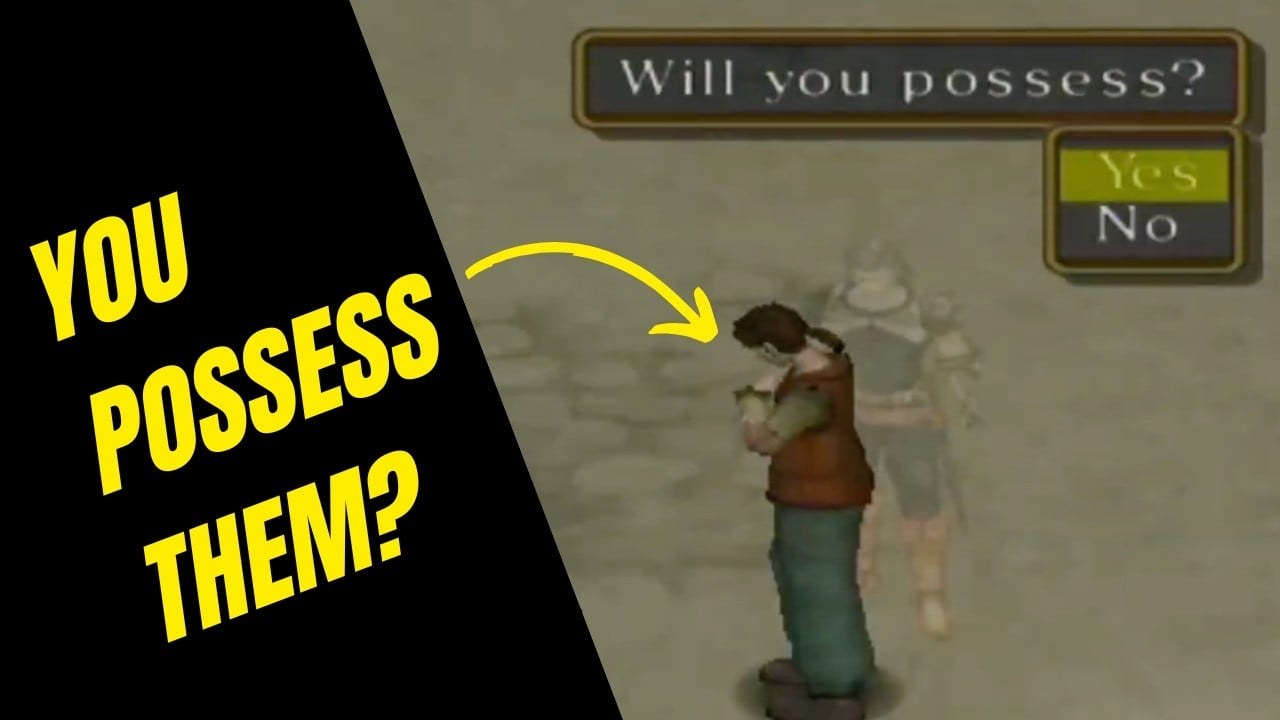
  • Tsugunai: Atonement (PS2): The RPG Where You Possess Other People

    Tsugunai: Atonement (PS2): The RPG Where You Possess Other People

    Most RPGs start with a hero destined to save the world. Tsugunai: Atonement does the exact opposite. It starts with a man committing a terrible crime, and then makes you spend the whole game paying for it.

    Tsugunai: Atonement on PlayStation 2 (PS2) has one of the most unusual mechanics I’ve seen in a PS2 RPG. Instead of leveling up one hero, you spend the game possessing other people and fixing their lives.

    This post contains affiliate links. If you buy through them I may earn a small commission, at no extra cost to you. It helps keep the channel going.

    What is Tsugunai: Atonement?

    ▶ Watch this part (1:00)

    Tsugunai was developed by Cattle Call and first came out in Japan on February 22, 2001, published by Sony. Atlus brought it to North America in November 2001.

    Fun fact: tsugunai is Japanese for atonement. So the full title basically translates to “Atonement: Atonement.” We’re off to a great start. A game so nice they named it twice.

    It’s also another one of those obscure Atlus-published RPGs, like Eternal Poison. During the PS2 era, Atlus became known for bringing unique Japanese RPGs to the West, and Tsugunai fits right into that category.

    A thief, a treasure orb and a curse

    ▶ Watch this part (1:31)

    Reise reaching for the Treasure Orb in Tsugunai: Atonement on PS2

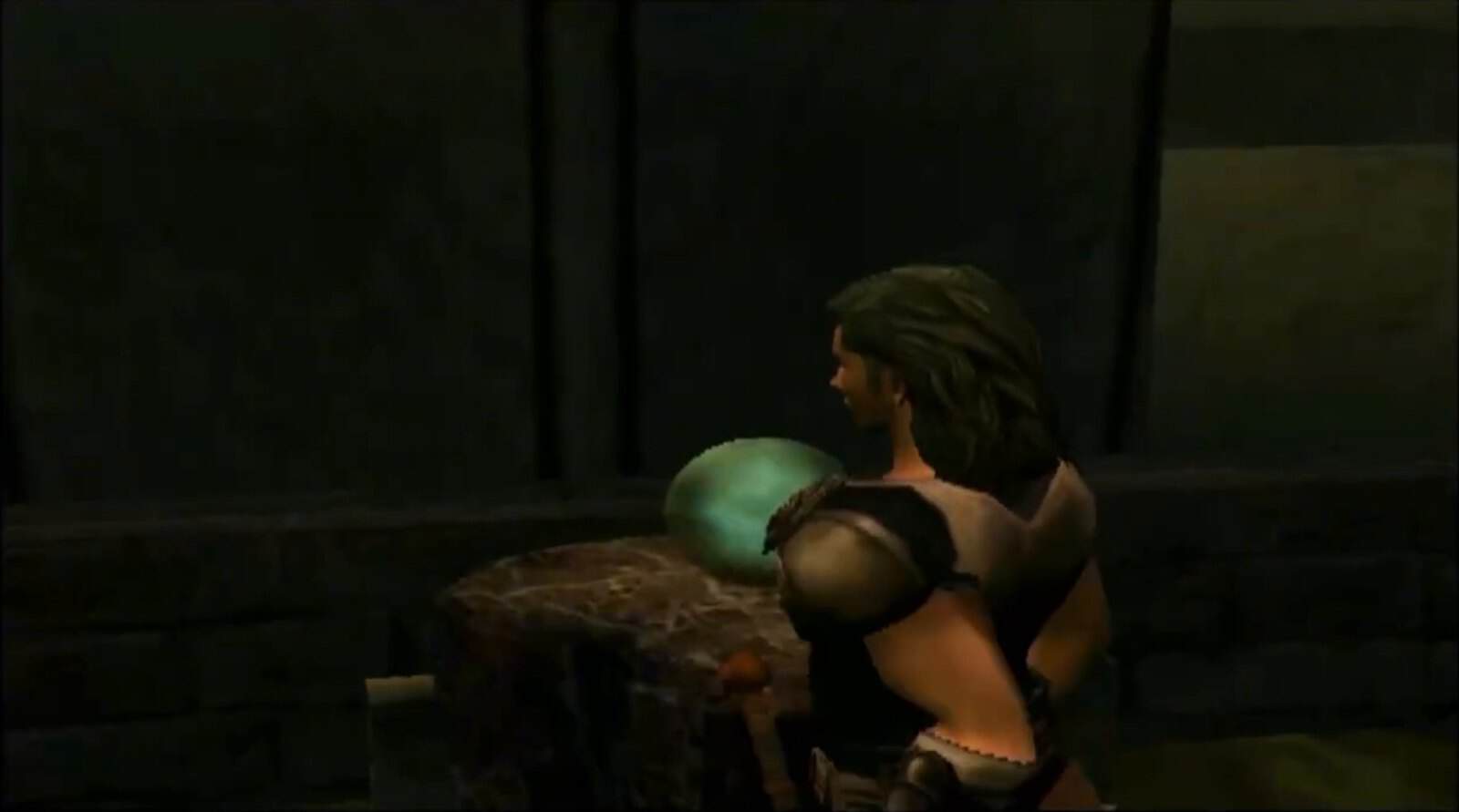
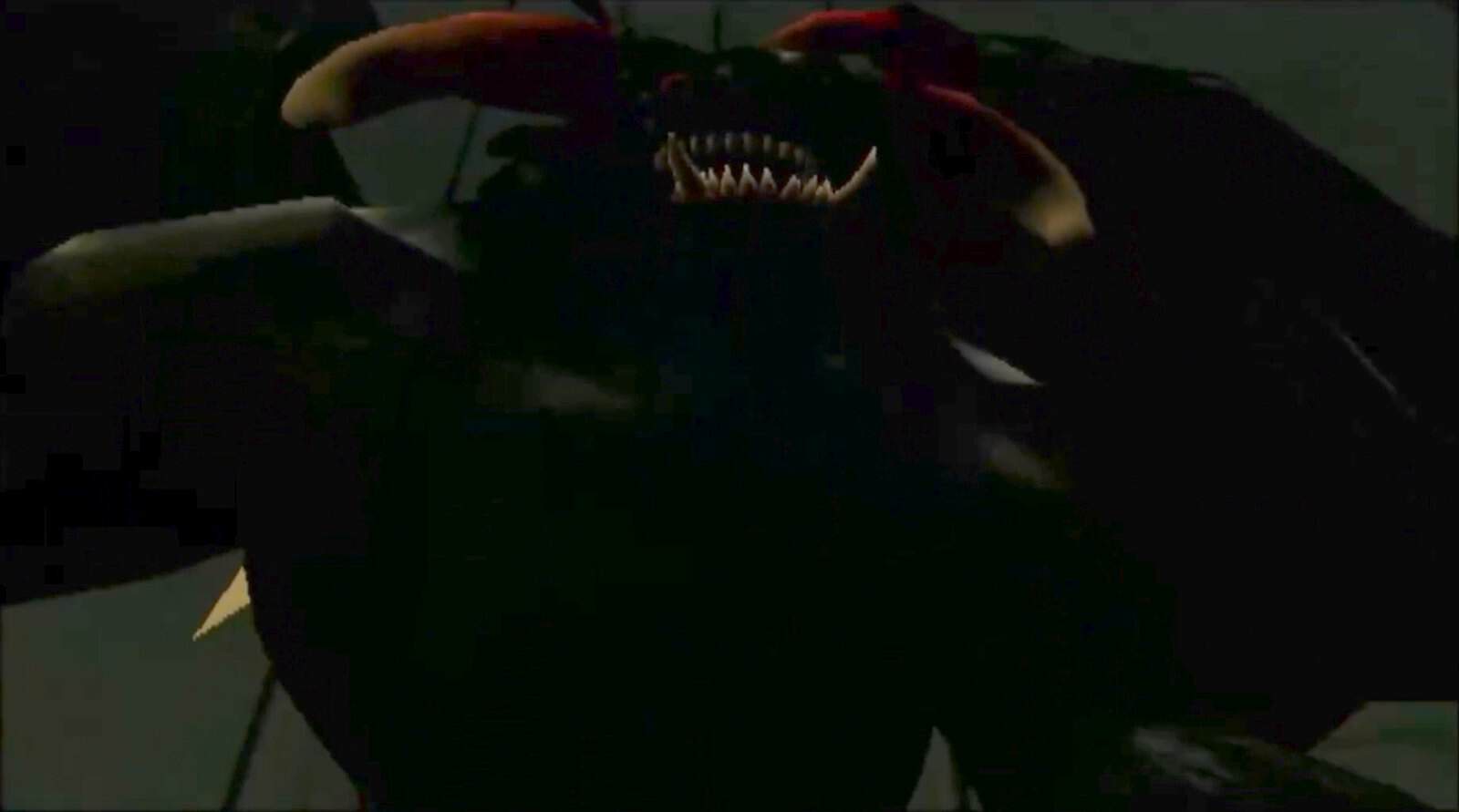
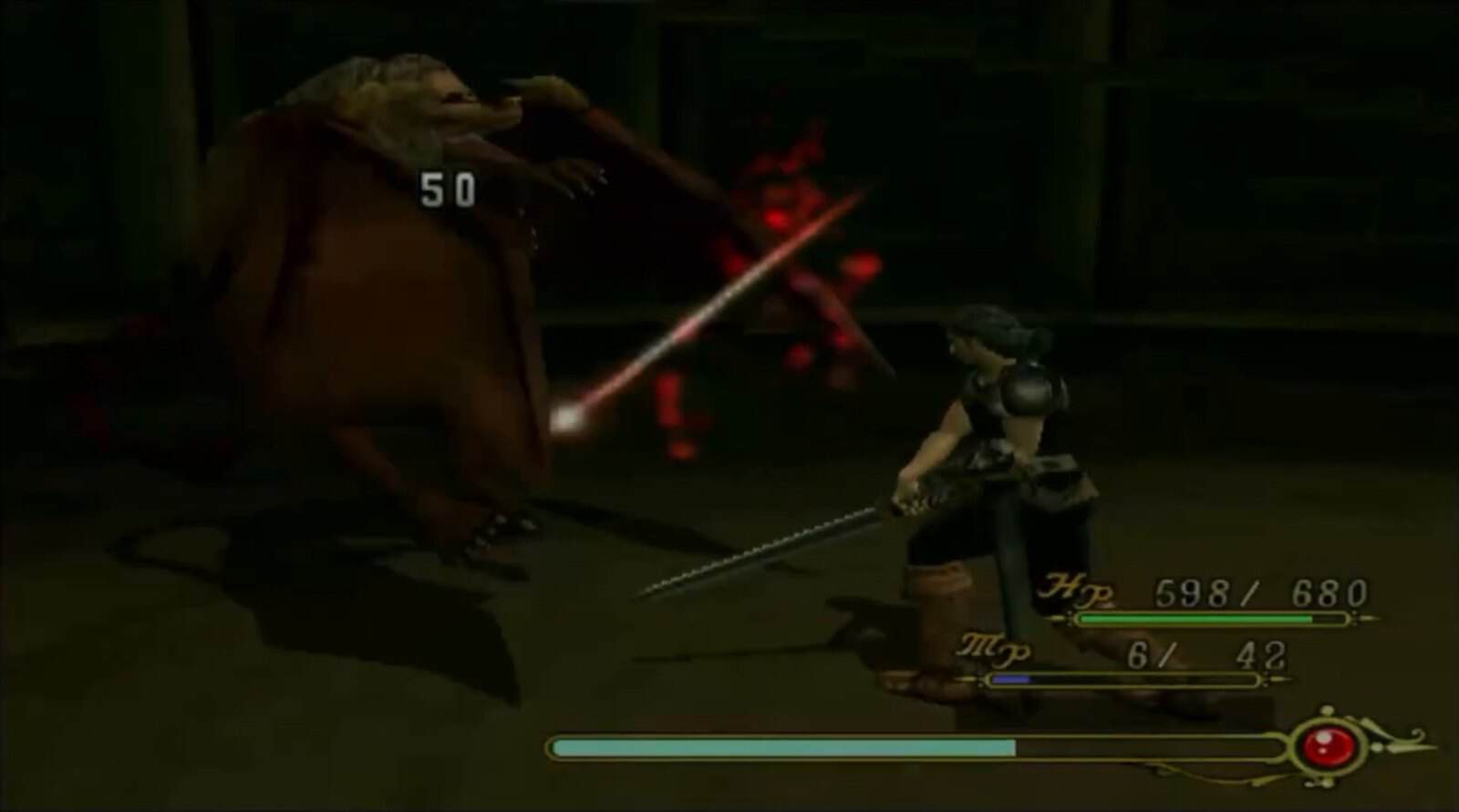
    You play as Reise, a mercenary who steals a sacred Treasure Orb. An unknown voice warns him not to, and he grabs it anyway. Right away you know it’s a bad idea, especially when what looks a lot like Diablo swoops down from the sky as your first boss. He can be tough if you’re not prepared.

    The demon-like first boss of Tsugunai: Atonement
    Yep. That’s the first boss.

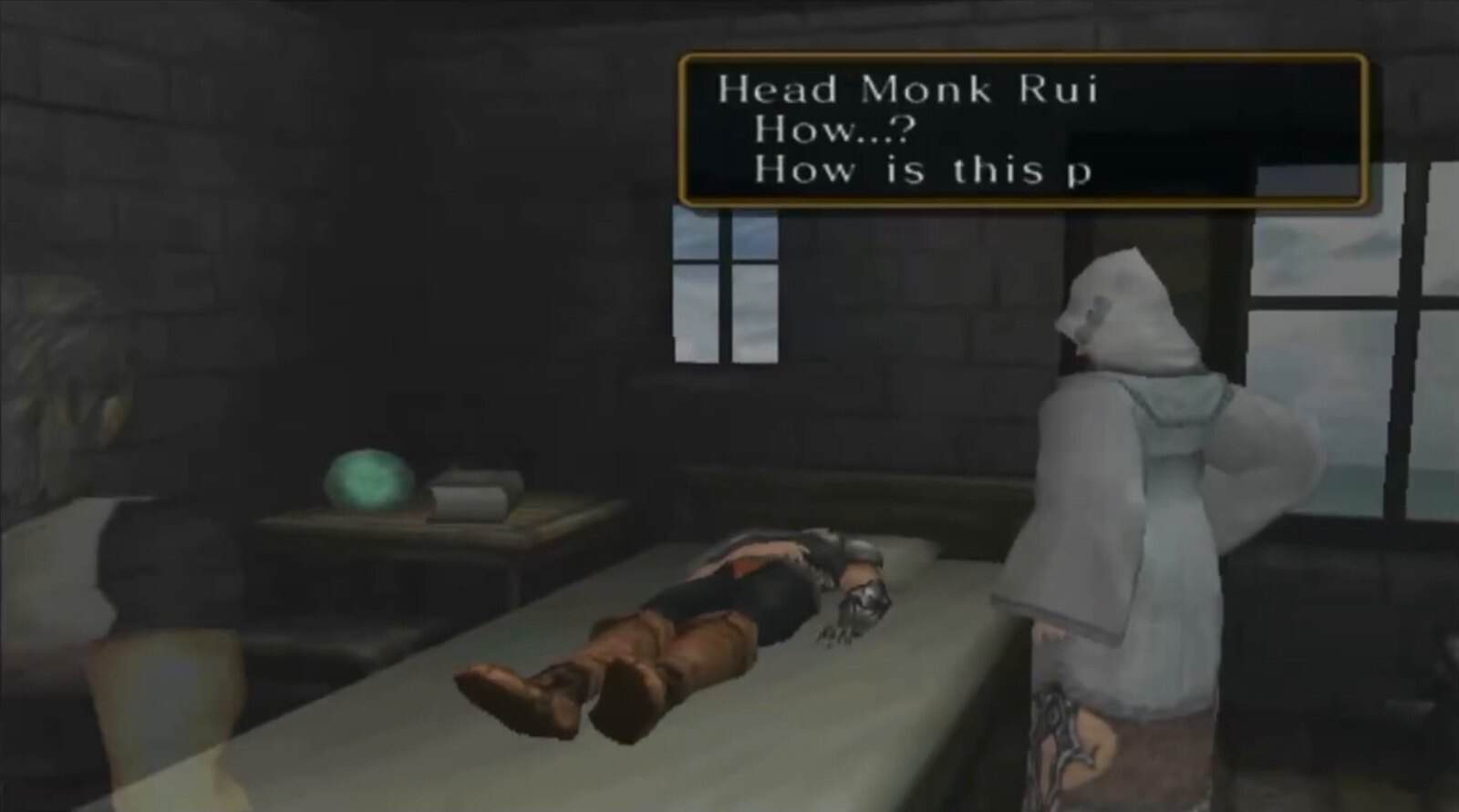
    As punishment, the Goddess of Light separates Reise’s soul from his body. He doesn’t die. He’s trapped in a spirit state, and the only way back into his body is to atone for what he did by helping the people of Walondia.

    Reise's body lying in bed while his soul is separated in Tsugunai: Atonement
    Reise’s body stays behind while his soul goes to work.

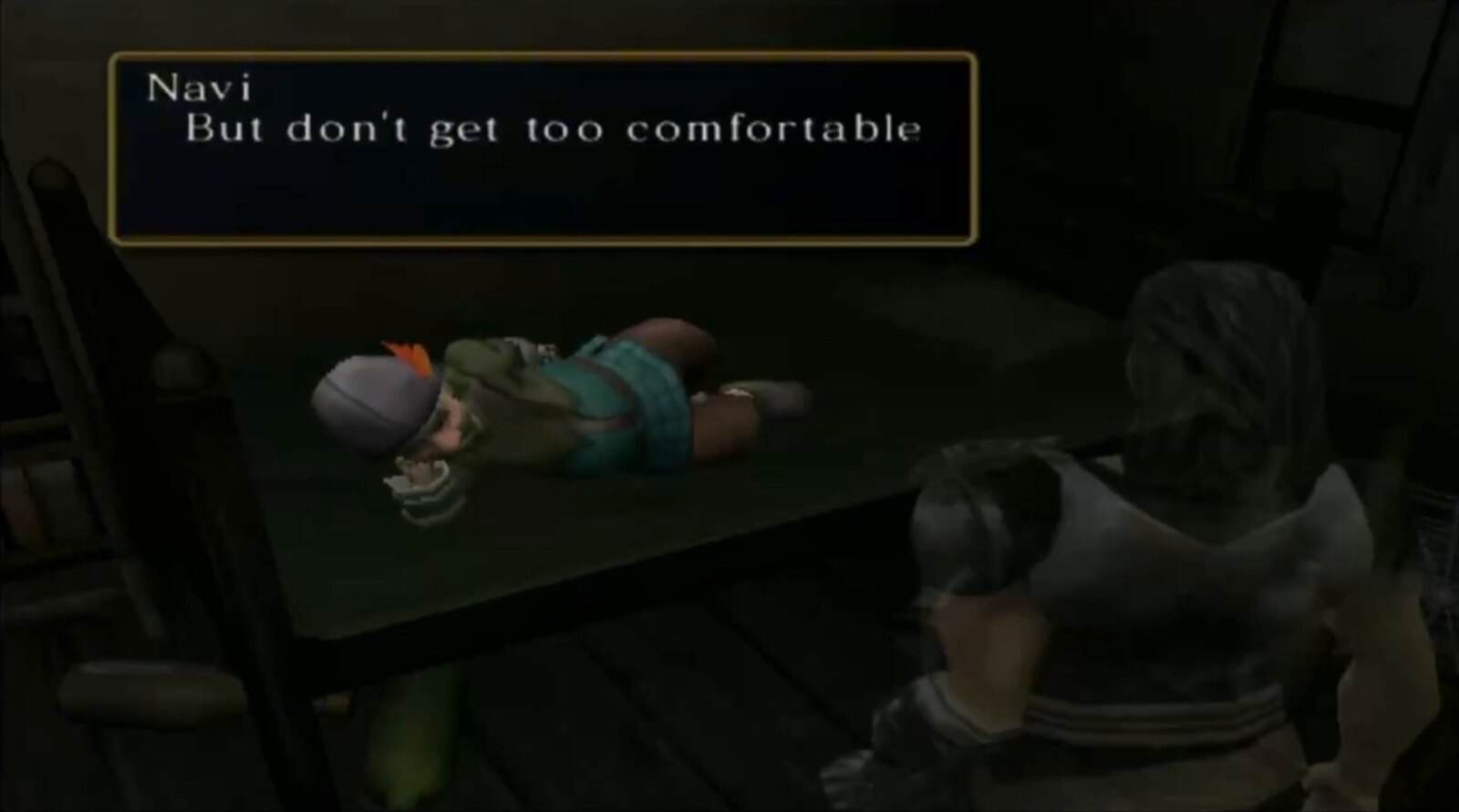
    He gets some help from a very unusual gnome named Navi, who may or may not have a drinking problem. Navi explains the deal: to get his body back, Reise has to heal the hearts of the people around him, and the only way to do that is by possessing the bodies of people filled with sadness or anger.

    Navi talking to Reise in Tsugunai: Atonement
    Navi, keeping Reise humble.

    Possession: the big idea

    ▶ Watch this part (4:25)

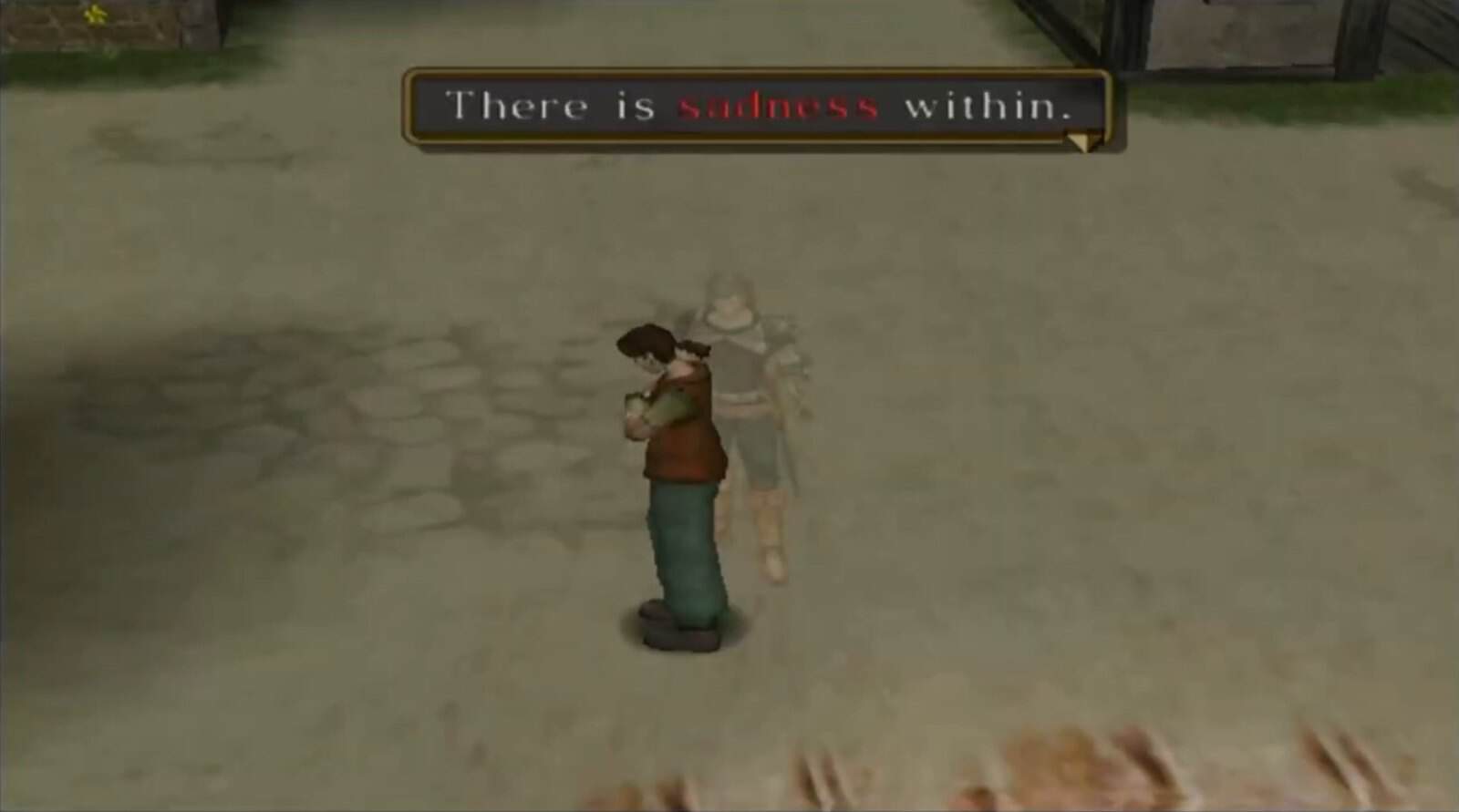
    This is what makes Tsugunai stand out. Instead of controlling one main character the entire game, you’re constantly taking control of different hosts, people dealing with regret, loss or conflict. You fight their battles, help them resolve their struggles, and slowly move Reise closer to redemption. The back of the box promises over a dozen characters to possess, each with their own side quests.

    Reise sensing sadness within a villager before possessing him in Tsugunai: Atonement
    Find someone with sadness within, and Reise can step inside.

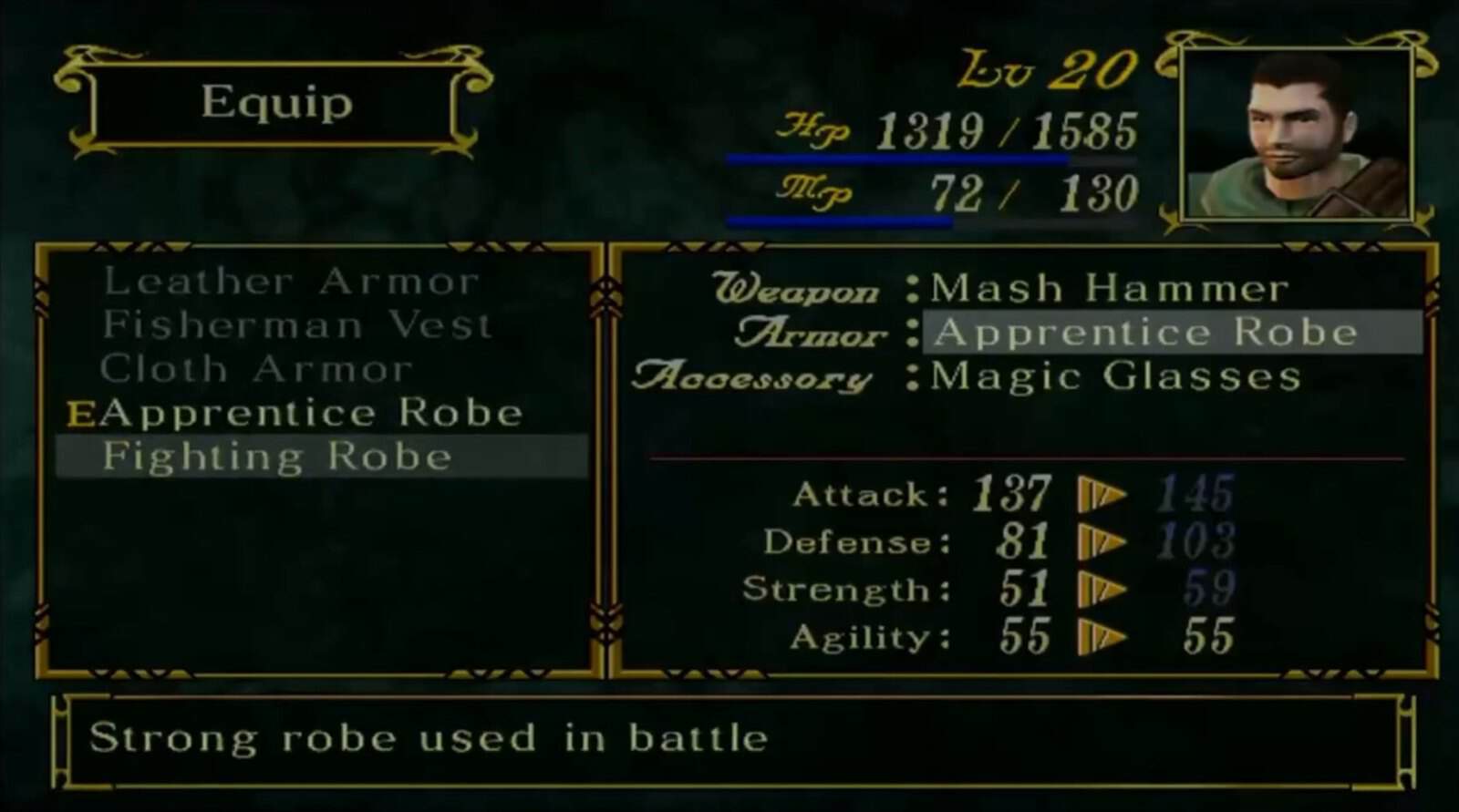
    Every host has their own weapons, equipment and role in combat. One might specialize in physical attacks, another might lean on magic, another might play more defensively. So every time the story shifts to a new character, the gameplay shifts too.

    Tsugunai: Atonement equipment screen showing a host's weapon, armor and accessory

    And you guys know I love to grind up to level cap, so this was a big change for me. You’re not leveling one character, you’re learning how to play a bunch of them. It keeps the game feeling fresh, and it ties right into the story: Reise can only redeem himself by helping others.

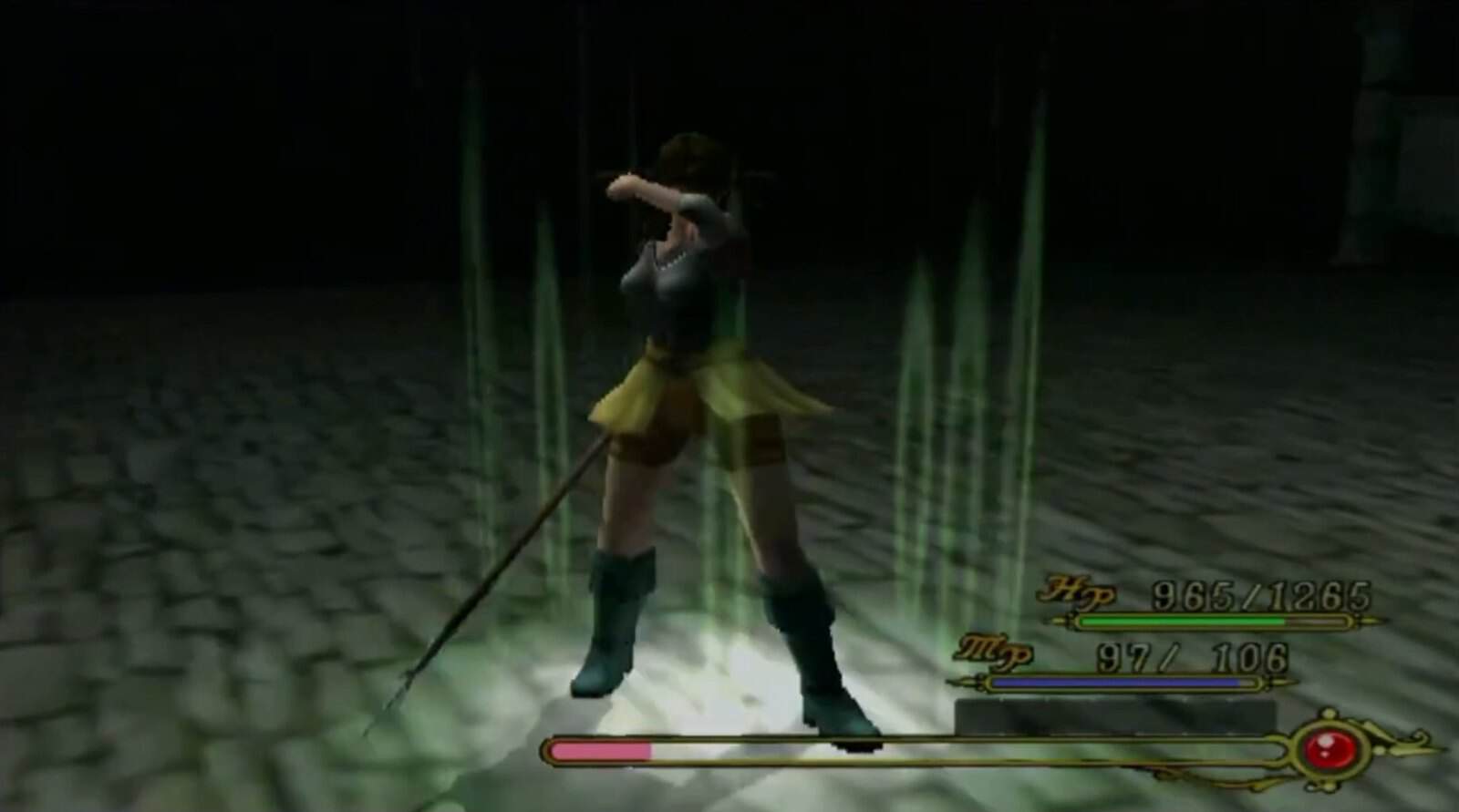
    My favorite host is Fisela, with her spear and her deep, branching story. I found myself looking forward to possessing her again and again.

    Fisela with her spear in Tsugunai: Atonement
    Fisela, my favorite host.

    Runes and amulets

    ▶ Watch this part (5:30)

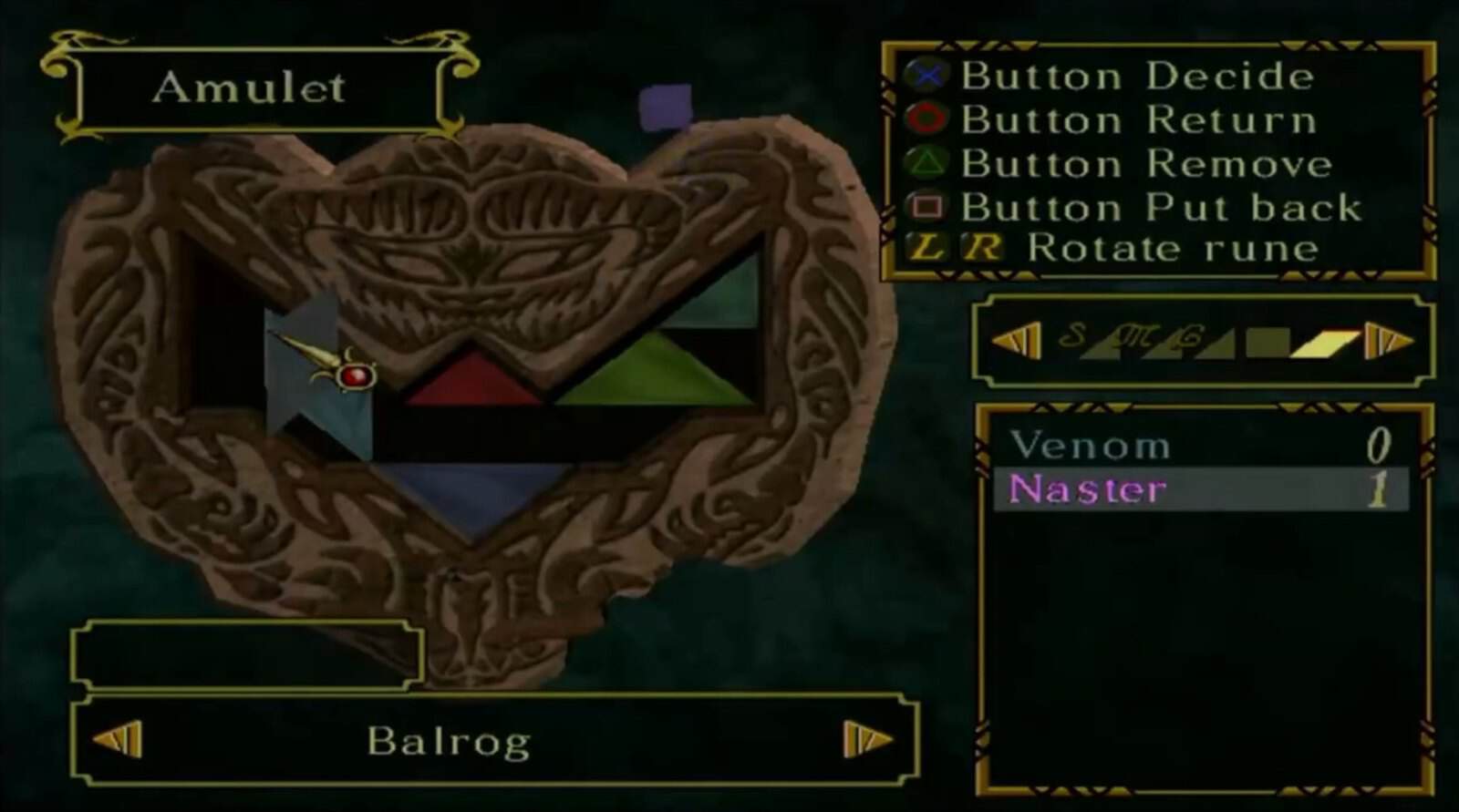
    Magic works through runes that you slot into amulets. It’s similar to Final Fantasy VII’s materia, except the runes come in different shapes, and you have to rotate them and make room to fit them in, like a puzzle. Fill an amulet and you can call on a summon. Definitely a unique angle on equipping magic.

    Tsugunai: Atonement amulet screen with shaped runes being rotated into place
    Rotate the runes and fit them in. Magic as a puzzle.

    Combat: defense matters as much as offense

    ▶ Watch this part (6:04)

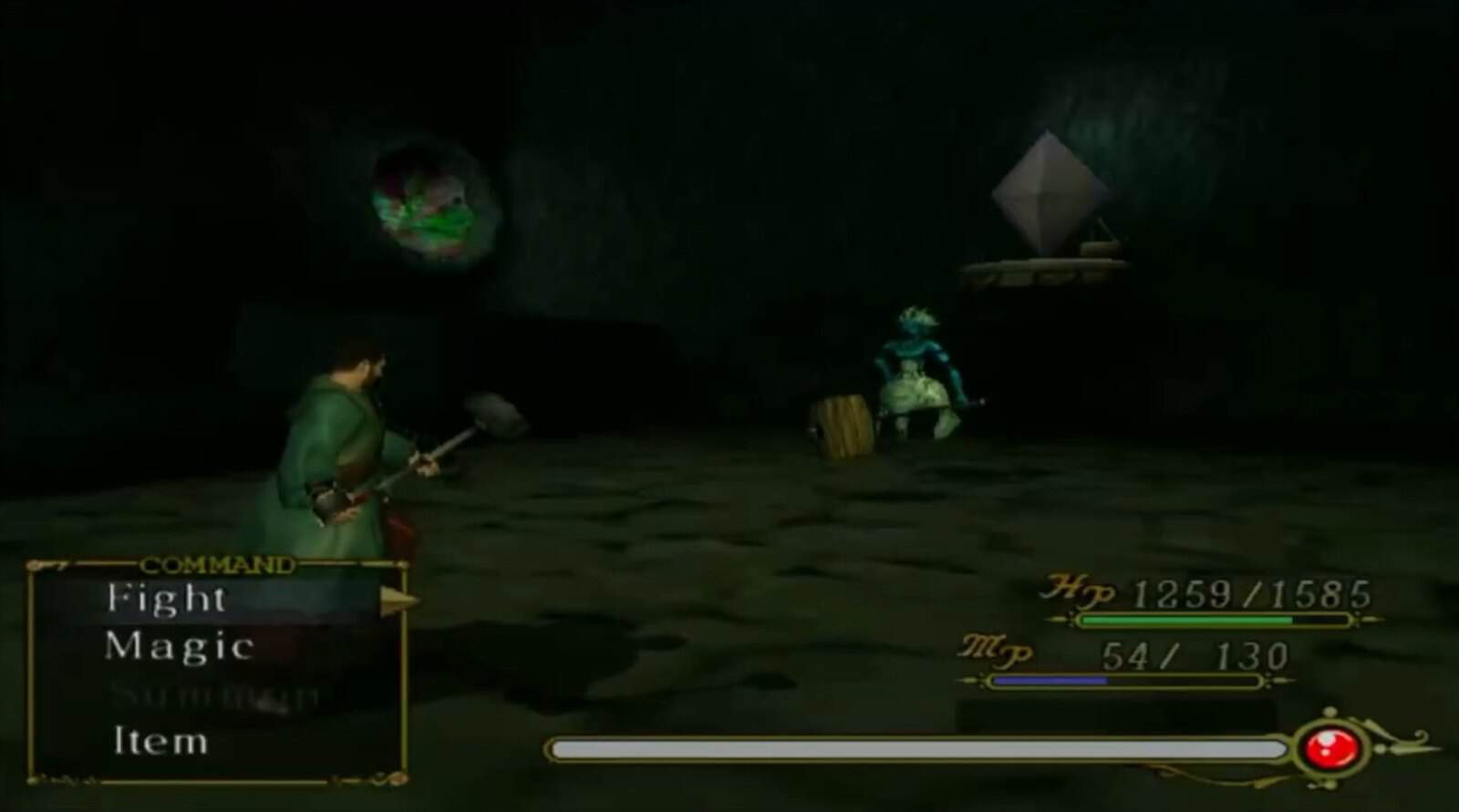
    Combat follows a traditional turn-based structure, but it adds a few mechanics that bring extra strategy. When an enemy attacks, you don’t just stand there and take it. You literally can parry, which, if you weren’t living under a rock last year, is the mechanic Clair Obscur: Expedition 33 made extremely popular and satisfying. Here are your options:

    Tsugunai: Atonement battle command menu with Fight, Magic and Item
    • Guard: reduces incoming damage.
    • Strage Guard: blocks less, but builds your Strage gauge, which works like a super meter.
    • Counter: time it just right and you negate the damage and strike back. It’s my personal favorite, but be warned: miss it and you take extra damage.
    • Backstep: dodges the attack completely, but you don’t earn any gauge.

    Fill the Strage gauge and you can unleash a heavy attack that’s unique to each character.

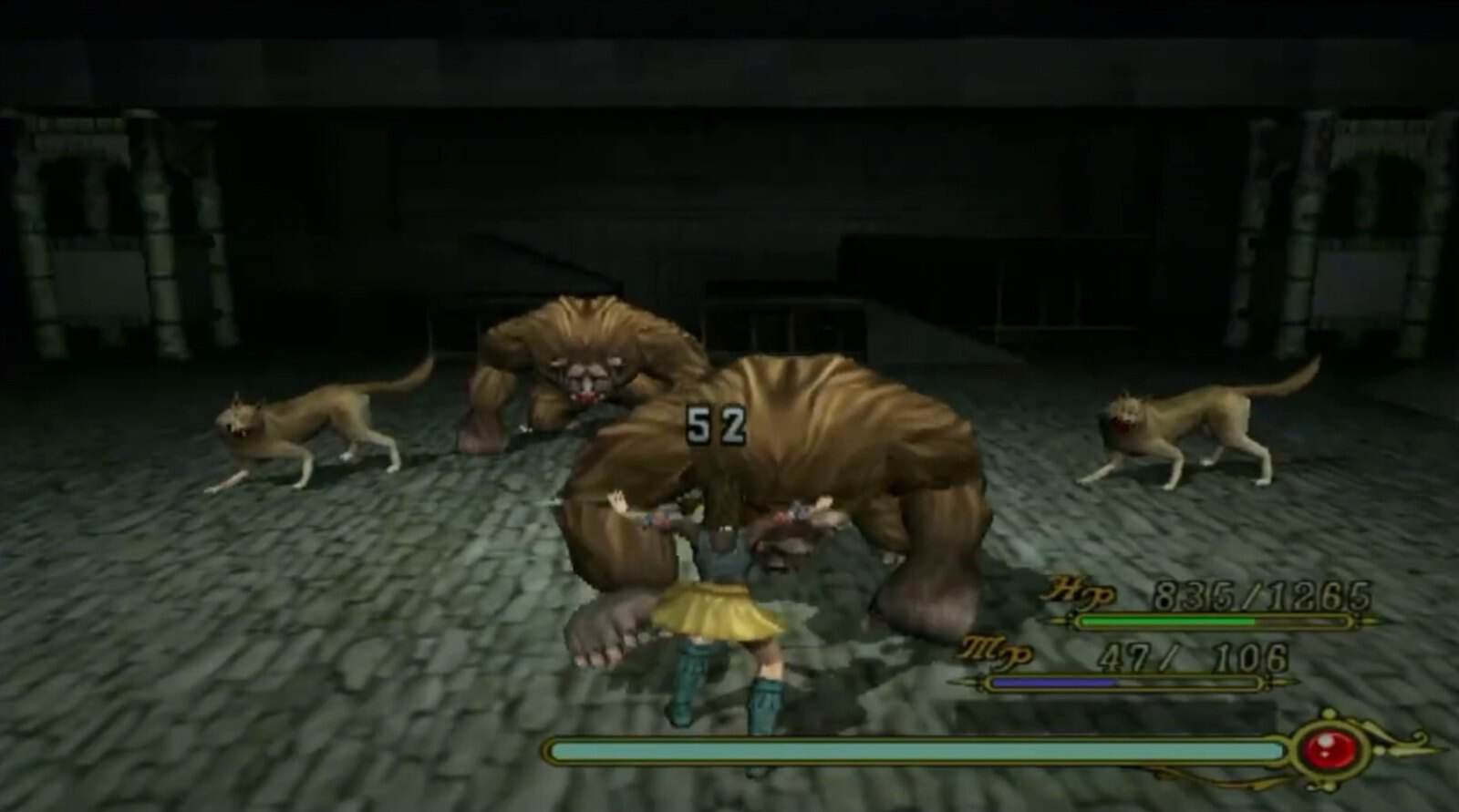
    A hit landing on a beast during a Tsugunai: Atonement battle

    That makes defensive choices just as important as offensive ones. In big boss fights, the right defensive option can completely change the outcome, and in rare cases, if you don’t backstep, Strage Guard or counter, you can literally get one-shotted. I learned that the hard way.

    When a fight turns

    ▶ Watch this part (7:37)

    Fisela fighting a pack of beasts in Tsugunai: Atonement

    One thing I remember about playing Tsugunai is how tense some of these fights could get. There were definitely moments where I mistimed a counter or picked the wrong defensive option, and a boss fight that was under control turned into complete chaos.

    But once you understand how those defensive options work together, timing a counter perfectly and turning the momentum of a battle around feels fantastic.

    Art and music

    ▶ Watch this part (8:41)

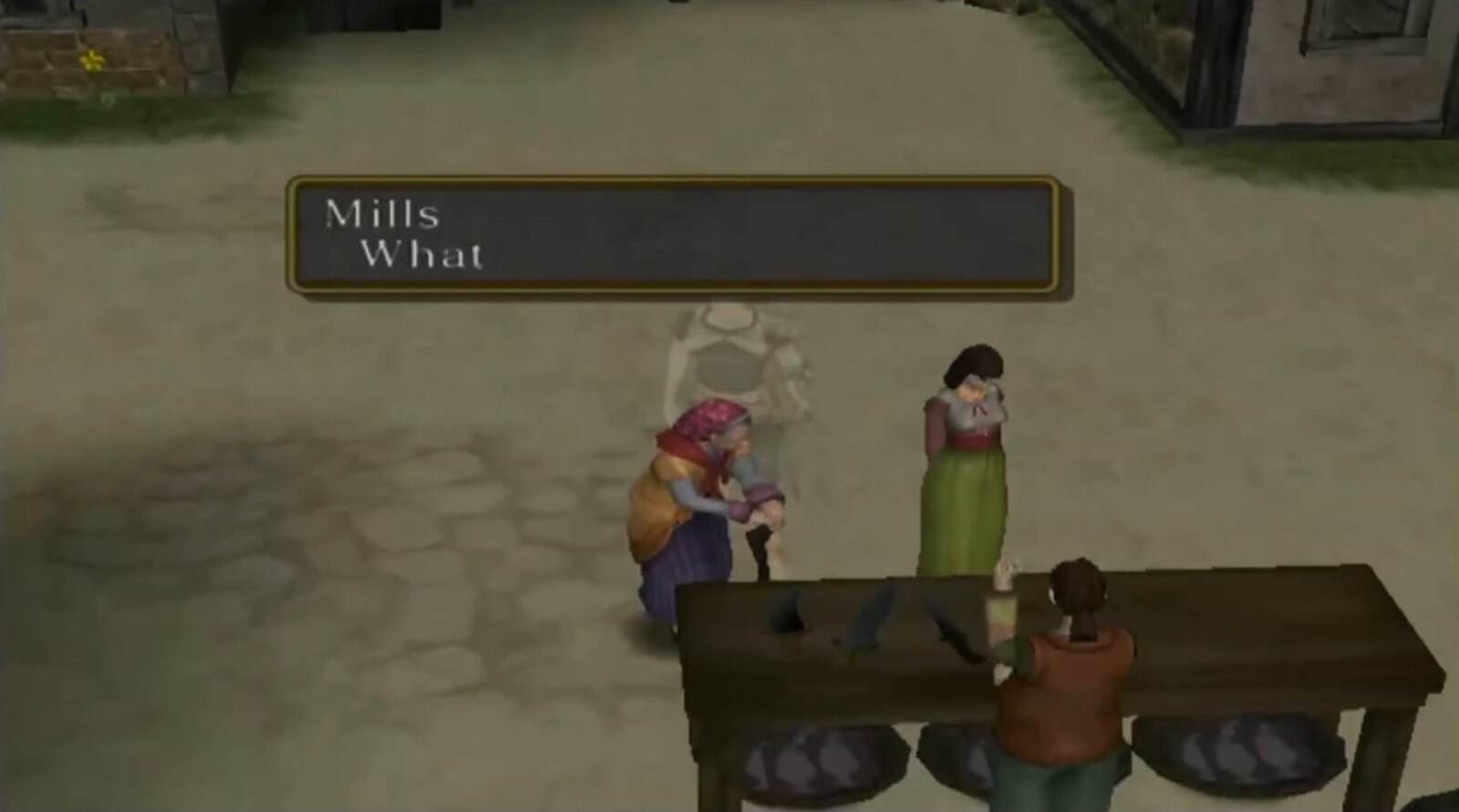
    Visually, Tsugunai has a more subdued fantasy look than a lot of RPGs from the same era. Towns feel quiet and reflective instead of bustling, and the environments have a slightly melancholic tone that fits the story perfectly. This isn’t a world full of heroes. It’s a world full of people dealing with the consequences of their past.

    Villagers in a quiet Tsugunai: Atonement town

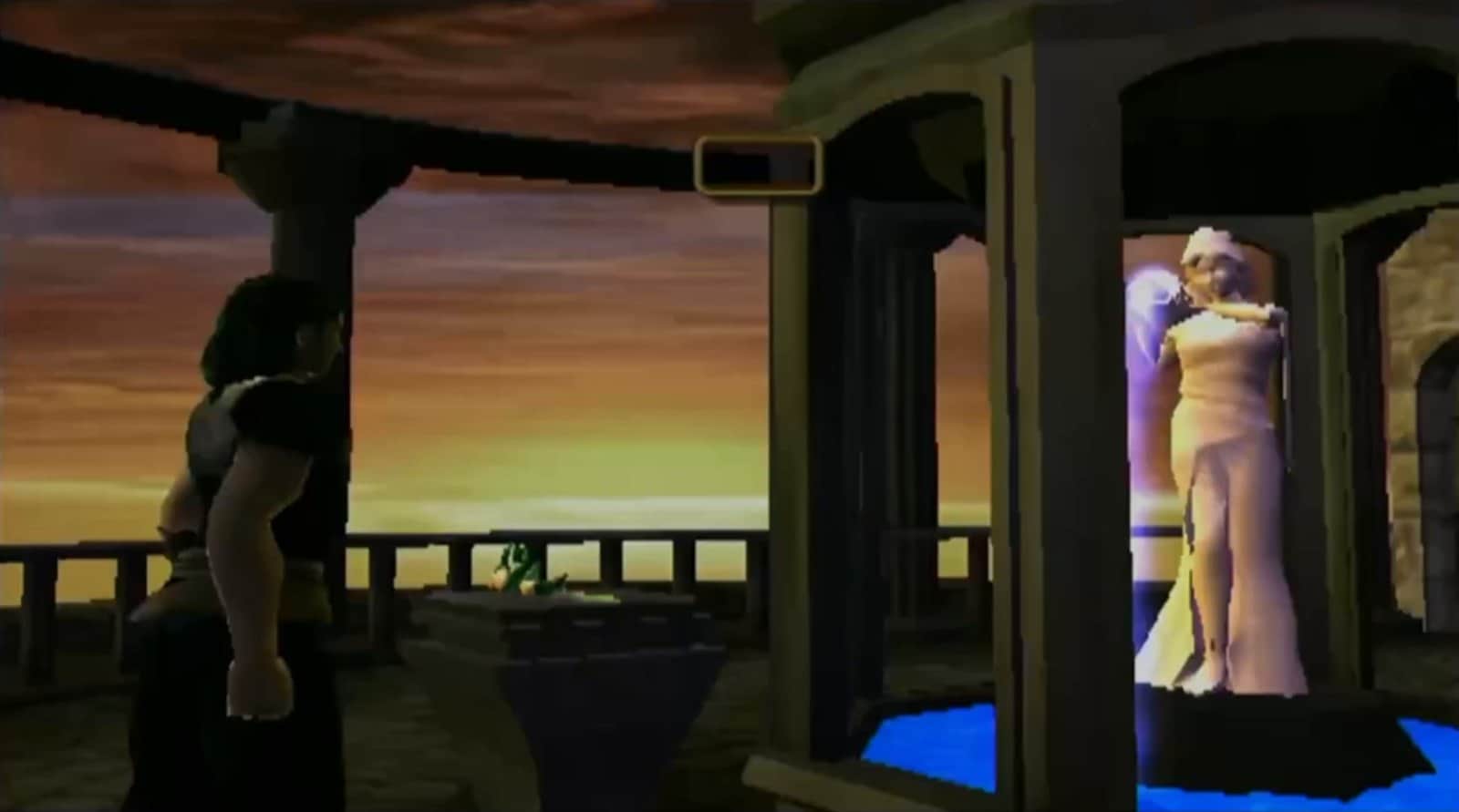
    The soundtrack is by Yasunori Mitsuda, the composer behind Chrono Trigger, Chrono Cross and Xenogears. Instead of constant high-energy battle tracks, a lot of it leans toward softer melodies that support the emotional tone and the slower pace of the story. Some areas have some genuinely eerie tunes too, which add to the darker atmosphere of certain areas and story arcs.

    A nymph statue at sunset in Tsugunai: Atonement

    Does it hold up?

    ▶ Watch this part (10:11)

    Critics were split back then. IGN gave it an 8.4 out of 10, GameSpot gave it a 4.1, and it landed at 67 on Metacritic.

    My take: it isn’t a traditional RPG. It’s slower and more reflective, and it’s built around the idea that redemption comes from helping others. If you go in expecting a big save-the-world adventure, it’ll feel strange. If you’re into experimental RPGs, that unusual premise leads to mechanics and storytelling that still feel unique today.

    Collecting Tsugunai: Atonement

    ▶ Watch this part (9:41)

    From a collector’s perspective, Tsugunai is a great example of the kind of RPGs Atlus was bringing to the PS2 in the early 2000s. They weren’t always the biggest releases, but they often explored ideas you didn’t see in mainstream RPGs. That willingness to experiment is one of the reasons the PS2 library is still so interesting to explore today.

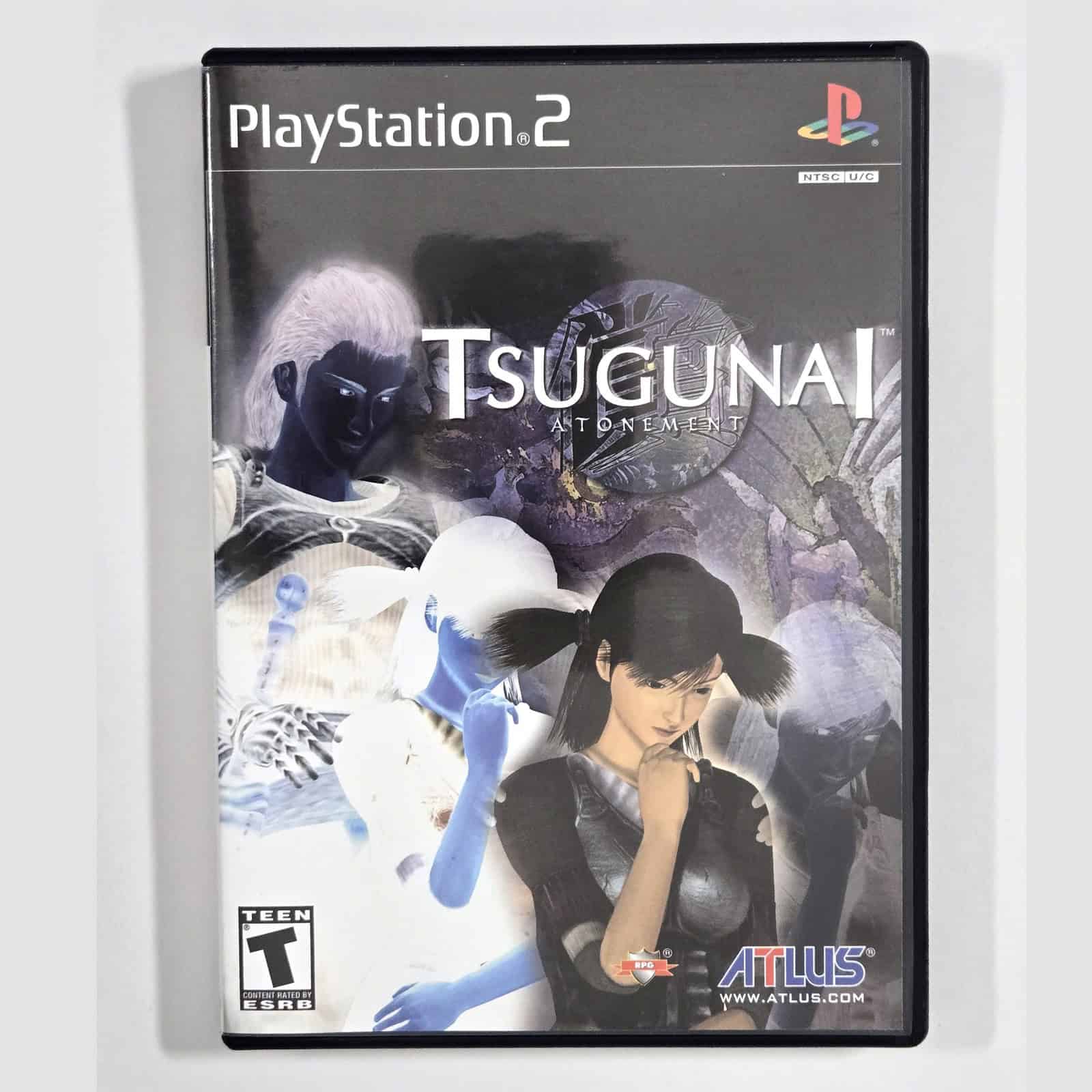
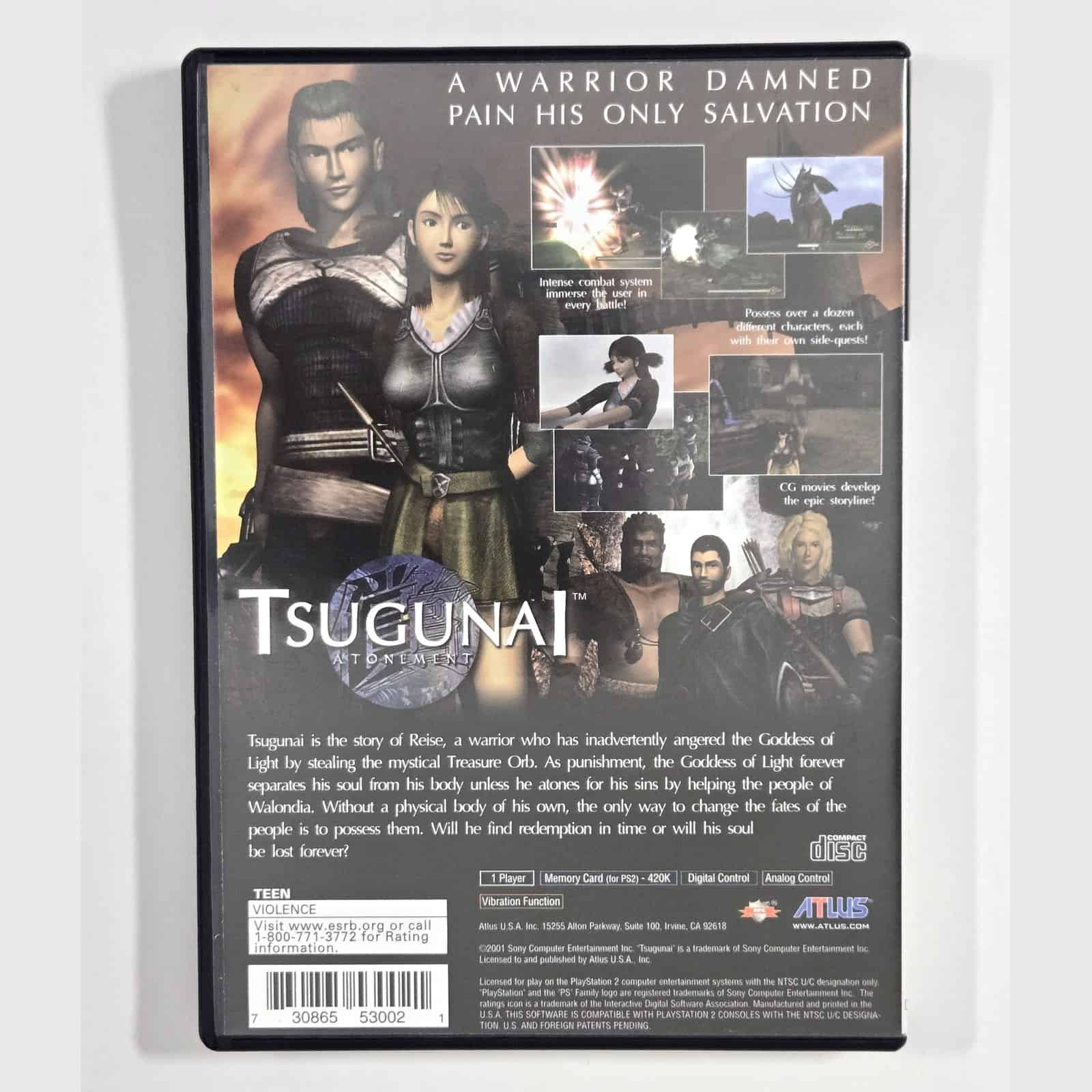
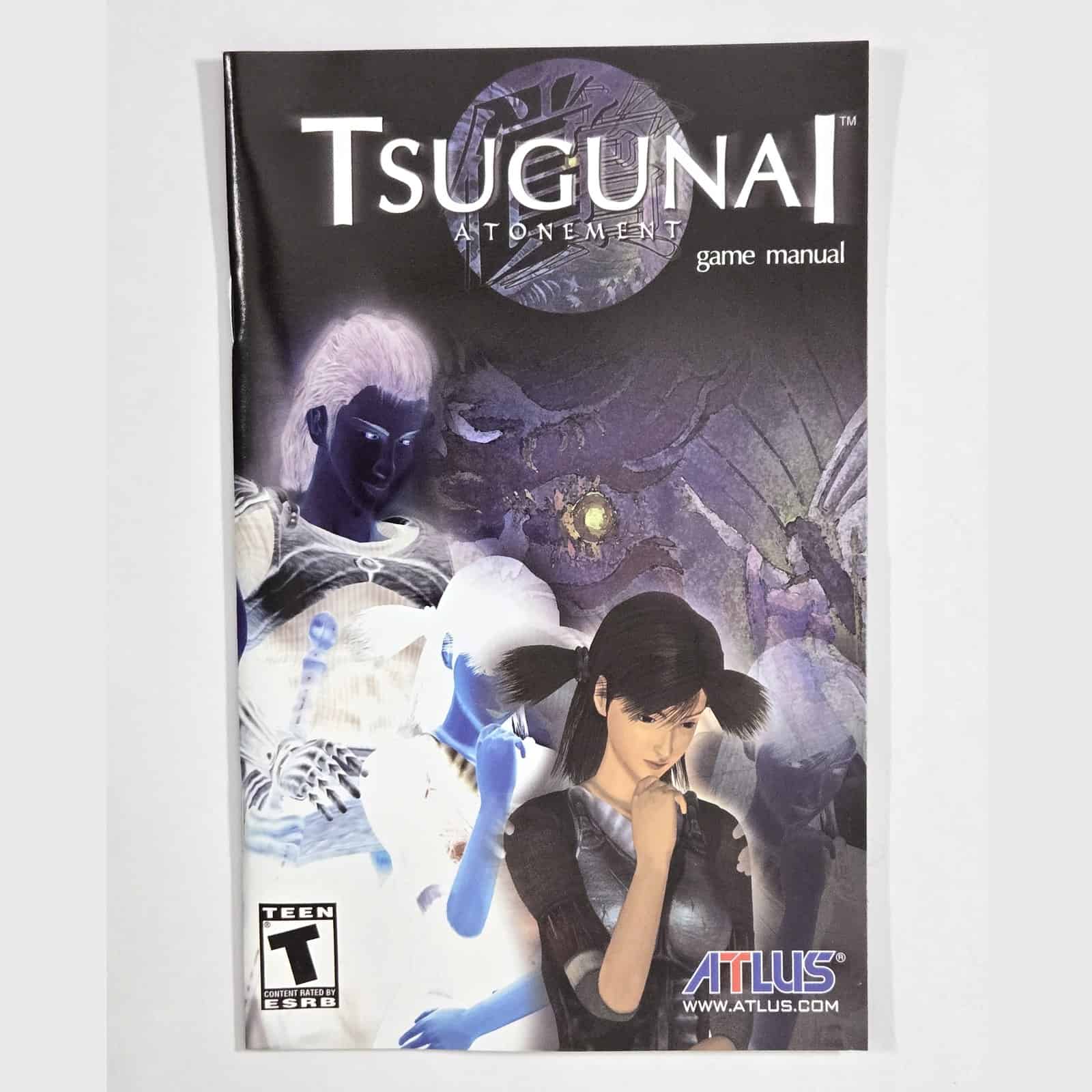
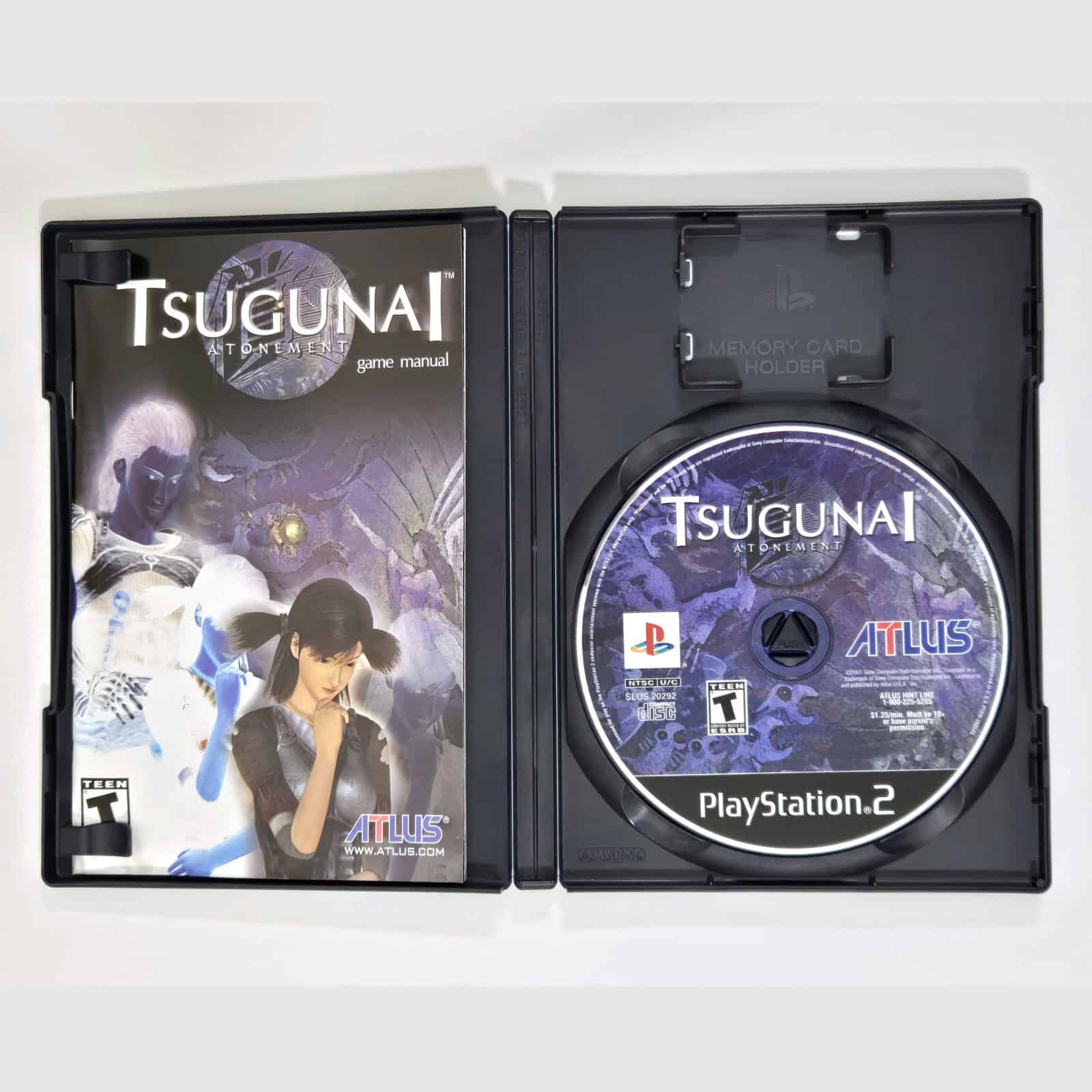
    A complete North American copy is the case, the disc and the manual. Mine is complete:

    Want one for your shelf? Find Tsugunai: Atonement on eBay, and look for listings that show the manual.

    If you’re new to PS2 collecting, my PS2 Beginner’s Guide covers how to get set up cheap. And for more overlooked gems, check out my Eternal Poison, Scaler and Fire Pro Wrestling Returns reviews.

    Tsugunai: Atonement FAQ

    Who made Tsugunai: Atonement? Cattle Call developed it. Sony published it in Japan in February 2001, and Atlus published the North American version in November 2001.

    What does Tsugunai mean? It’s Japanese for atonement, so the full title is basically “Atonement: Atonement.”

    Who is the main character in Tsugunai? Reise, a mercenary whose soul is separated from his body after he steals a sacred Treasure Orb. He has to atone by helping the people of Walondia.

    How does possession work in Tsugunai? Reise possesses people who are struggling, and you play as them to fight their battles and solve their problems. Each host has their own weapons and combat role.

    Who composed the music for Tsugunai: Atonement? Yasunori Mitsuda, known for Chrono Trigger, Chrono Cross and Xenogears.

    Is Tsugunai: Atonement worth playing today? If you like unusual, slower-paced RPGs and don’t mind a challenge in boss fights, yes. It’s one of the most original RPGs on the PS2.

    The verdict

    Tsugunai: Atonement isn’t a traditional RPG, and that’s the point. Possessing other people, slotting puzzle-shaped runes and timing counters in tense boss fights all add up to something that still feels unique. For anyone exploring the stranger corners of the PS2 RPG library, it’s a fascinating hidden gem.

    You stay frosty.
  • Fire Pro Wrestling Returns (PS2): The Best Wrestling Game on the PS2

    Fire Pro Wrestling Returns (PS2): The Best Wrestling Game on the PS2

    Most wrestling games reward button mashing. Hit the buttons as fast as you can and something cool happens, right? Fire Pro Wrestling Returns punishes you for that. Mash and you lose. Miss your timing and you lose. And if you go in expecting something like SmackDown: Here Comes the Pain, you’re going to get humbled real fast.

    Fire Pro Wrestling Returns on PlayStation 2 (PS2) might be one of the most misunderstood games on the system, and it’s my pick for the best wrestling game on the PS2.

    This post contains affiliate links. If you buy through them I may earn a small commission, at no extra cost to you. It helps keep the channel going.

    What is Fire Pro Wrestling Returns?

    ▶ Watch this part (1:25)

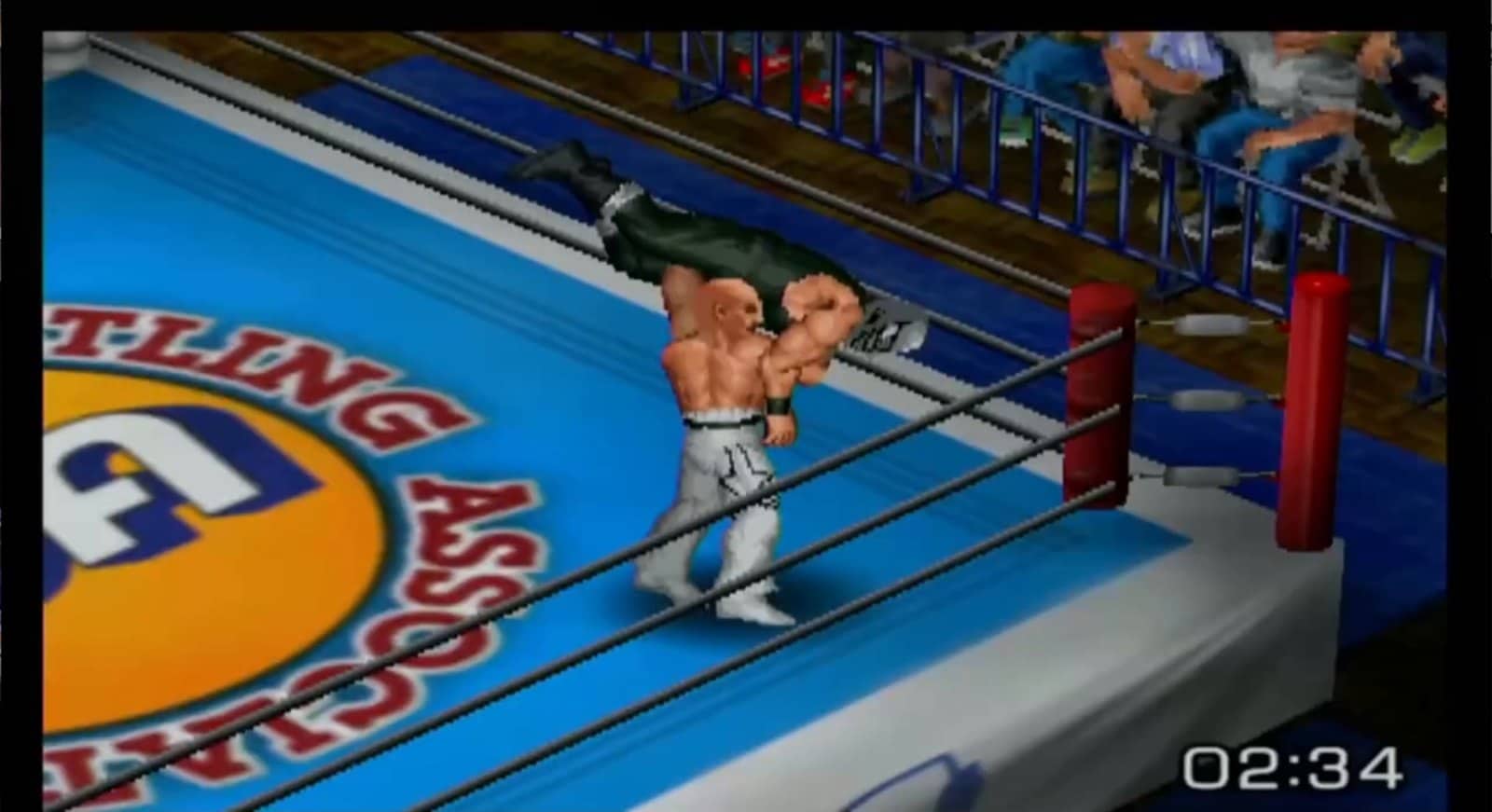
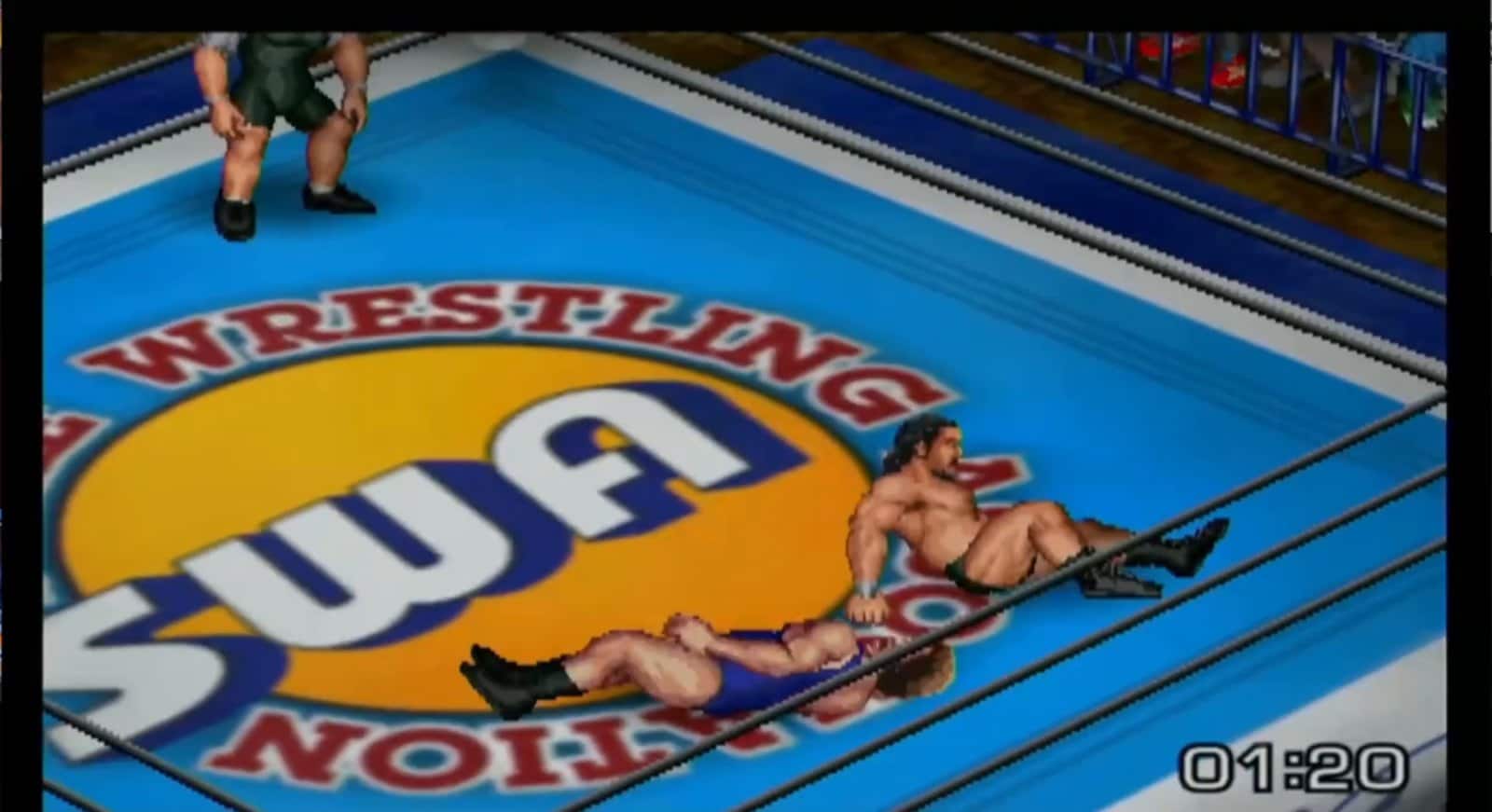
    A Fire Pro Wrestling Returns match in the SWA ring on PS2

    Fire Pro Wrestling Returns was developed by Spike. It came out in Japan on September 15, 2005, and Agetec brought it to North America on November 13, 2007, at a budget price of $14.99.

    The Fire Pro series goes back to 1989 on the PC Engine, and it built its reputation by doing things differently. Instead of leaning on licenses, presentation or flashy entrances (all still cool), Fire Pro focuses on what happens inside the ring, and on how wrestling actually works.

    Timing beats button mashing

    ▶ Watch this part (2:00)

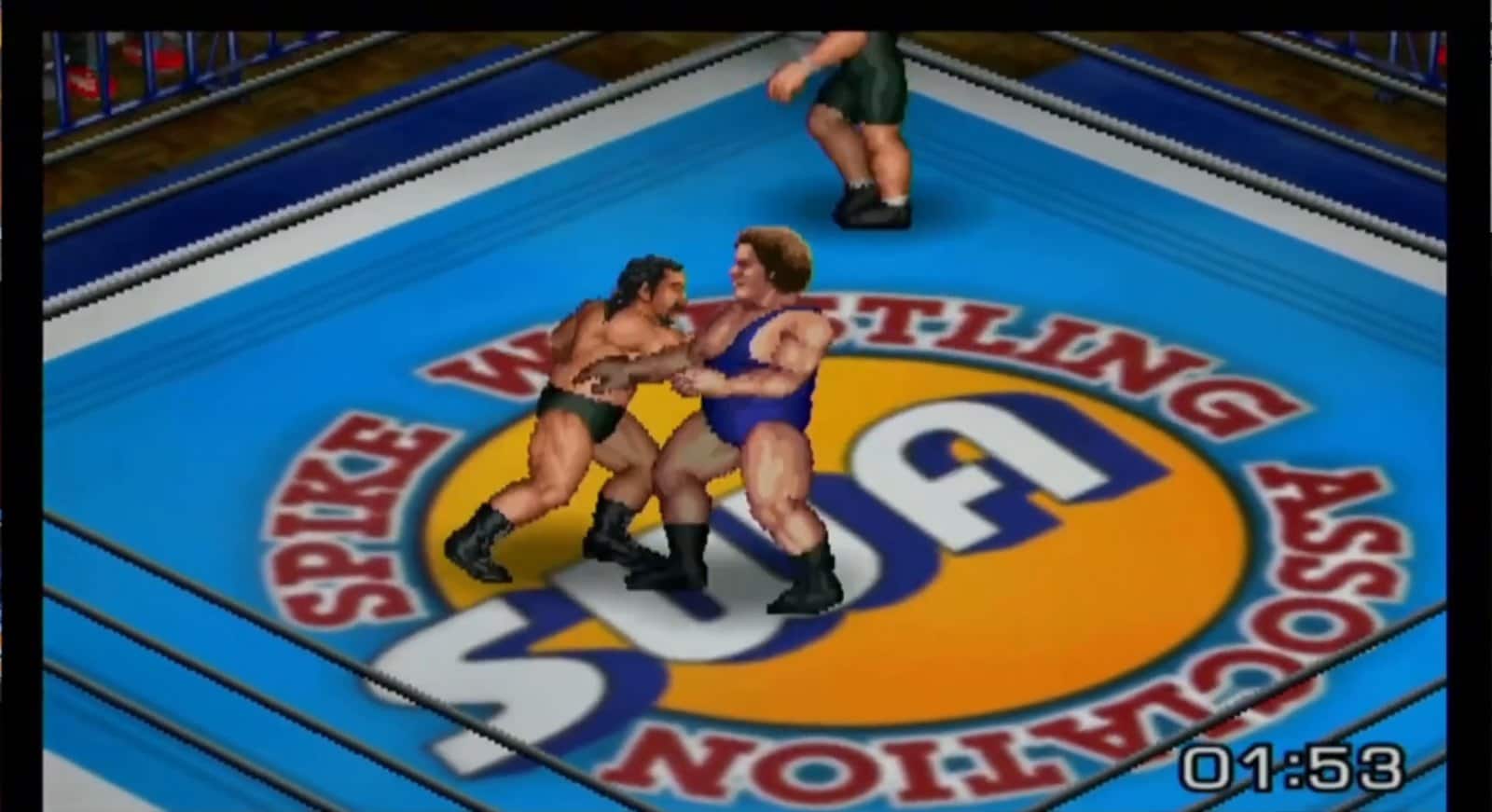
    Two wrestlers locking up in Fire Pro Wrestling Returns
    Every grapple starts with a lock-up, and timing decides who wins it.

    Grappling in Fire Pro Returns is all about timing. When you lock up with an opponent, there’s a specific moment to press the button. Too early and nothing happens. Too late and you get countered.

    Early in the match those timing windows are even tighter, so you can’t jump in and start throwing big moves. You build momentum the way real wrestlers do: light grapples first, then medium, then the heavy, real-deal stuff.

    Try to play it like a traditional wrestling game and you’ll get destroyed. Mashing doesn’t just fail to help, it actively works against you.

    Real match pacing

    ▶ Watch this part (2:40)

    That timing system creates something you almost never see in wrestling games: real match pacing.

    • Early match: you’re feeling out your opponent with light holds and positioning.
    • Mid-match: momentum starts to shift, and your stronger grapples start landing.
    • Late match: finishers, high-risk moves and pin attempts.
    A wrestler down on the mat late in a Fire Pro Wrestling Returns match

    The game teaches you to think like a wrestler. Not just what move do I do, but when do I do it. Once that clicks, the whole game opens up.

    Program your own wrestlers

    ▶ Watch this part (3:30)

    One of the most unique features in Fire Pro is the wrestler logic system. You can program how a wrestler behaves: how aggressive they are, which moves they prefer, and how they react in different situations.

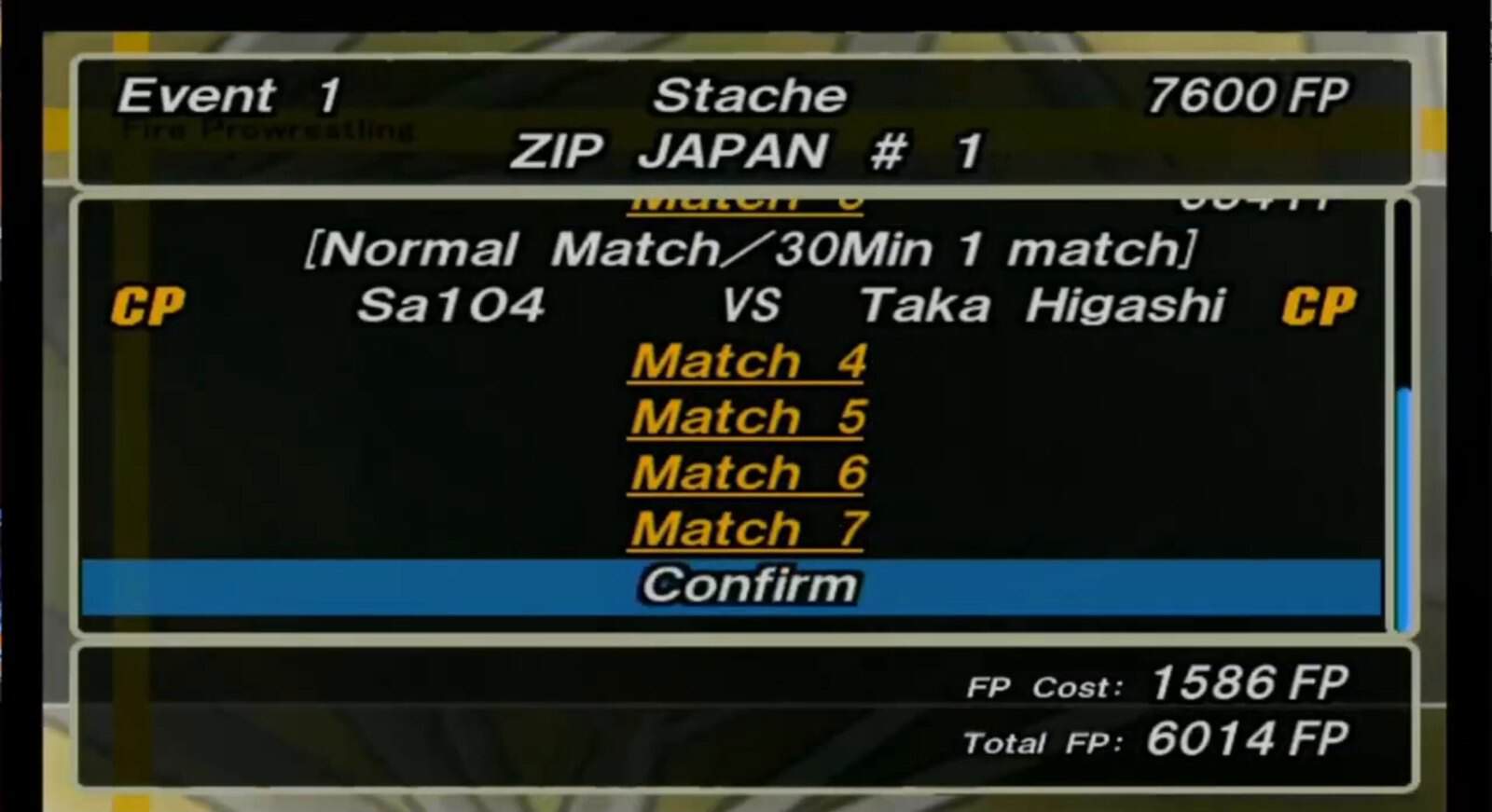
    Then you can set up CPU vs. CPU matches and just watch them play out. At that point it stops feeling like a fighting game and starts feeling like a wrestling simulator.

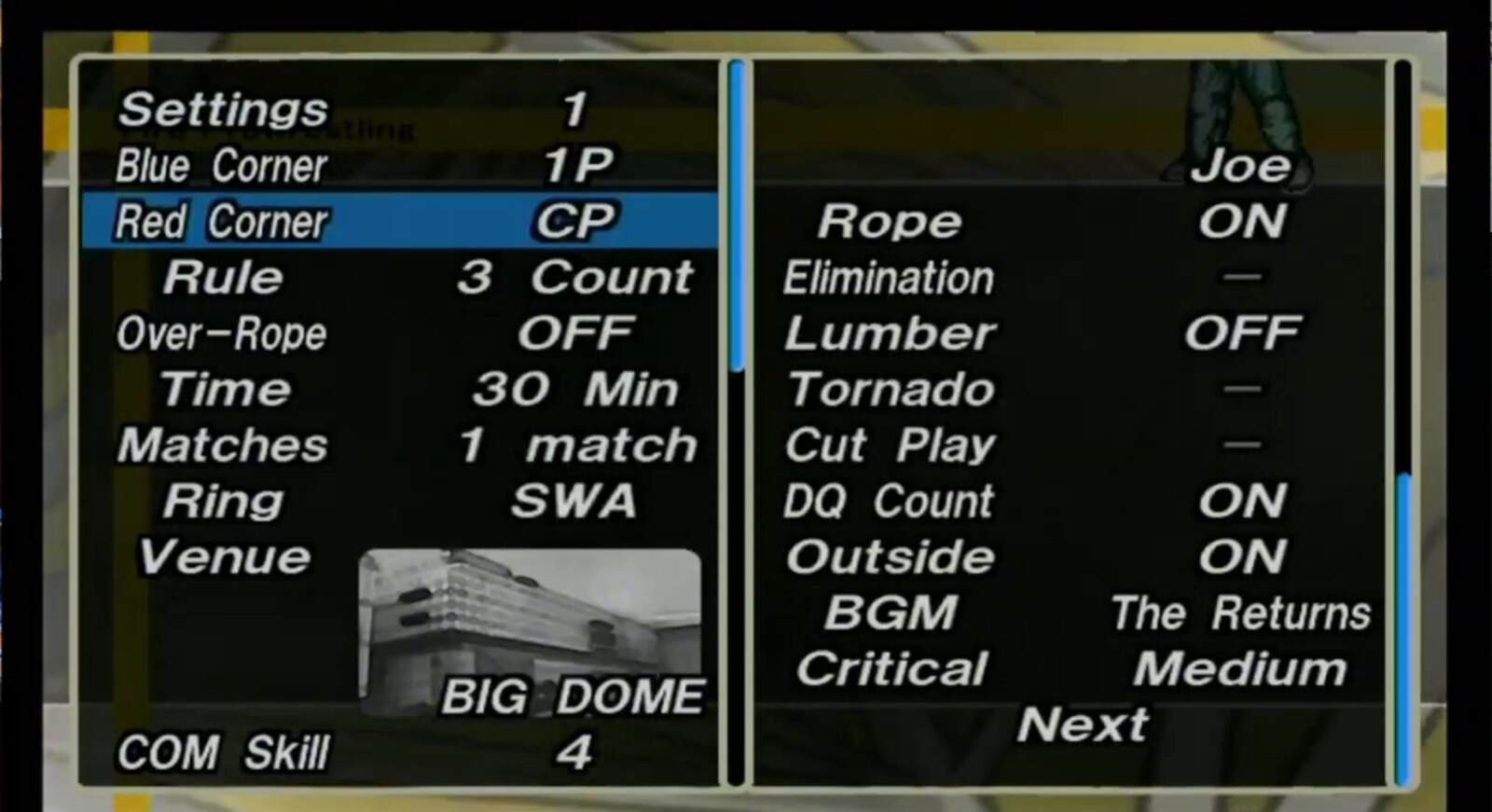
    Fire Pro Wrestling Returns match settings with the red corner set to CPU
    Set both corners to CP and the game wrestles the match for you.

    A creation suite with almost no ceiling

    ▶ Watch this part (4:27)

    Fire Pro Wrestling Returns edit mode, customizing a wrestler's body and gear

    The creation tools are incredibly deep. You can build custom wrestlers, move sets and appearances, plus your own referees, rings, logos, belts and entire promotions.

    Because the system is so detailed, players have recreated real-world wrestlers, full rosters and entire organizations. That gives the game almost unlimited replay value.

    Way more than exhibition matches

    ▶ Watch this part (4:53)

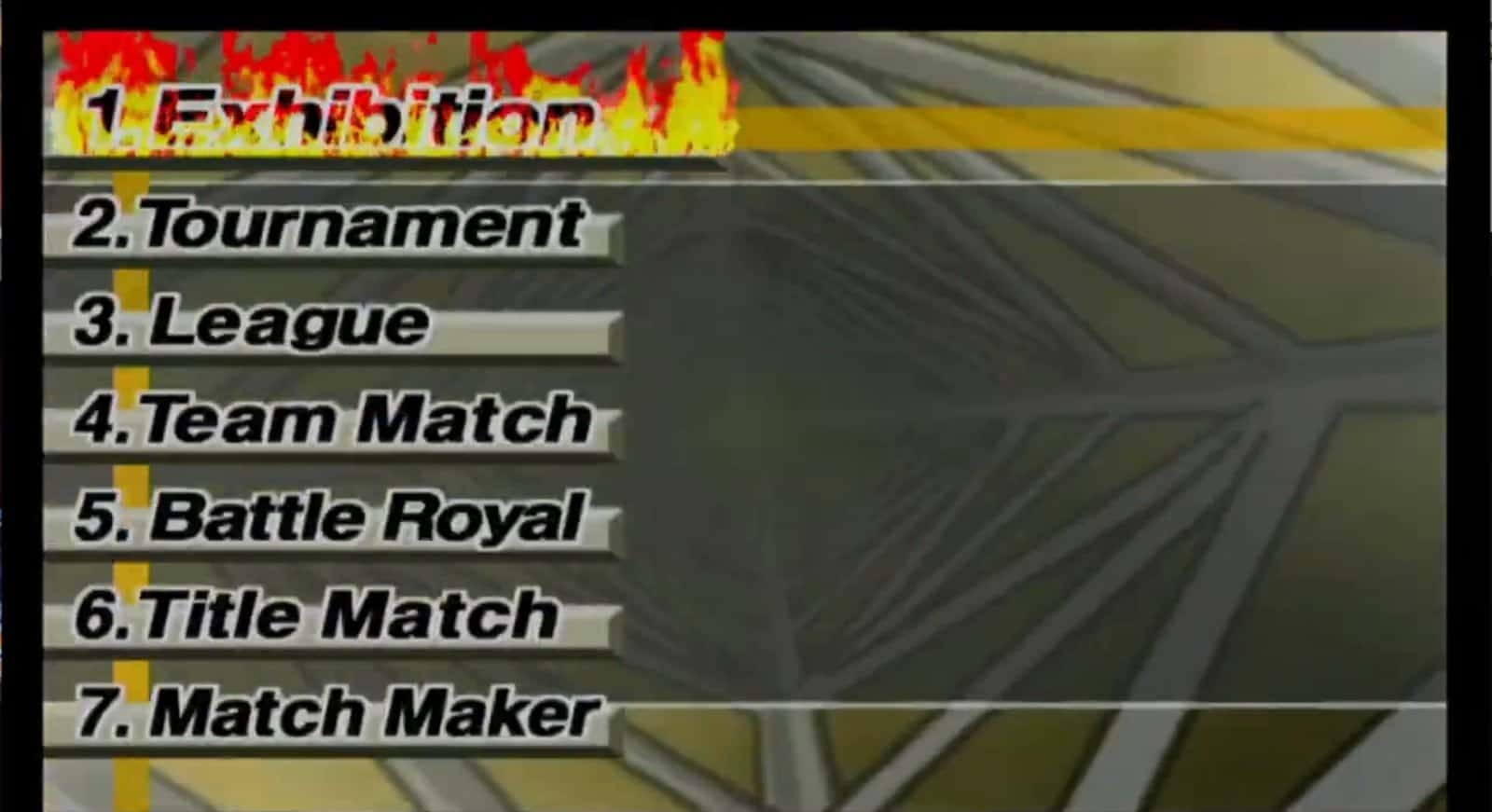
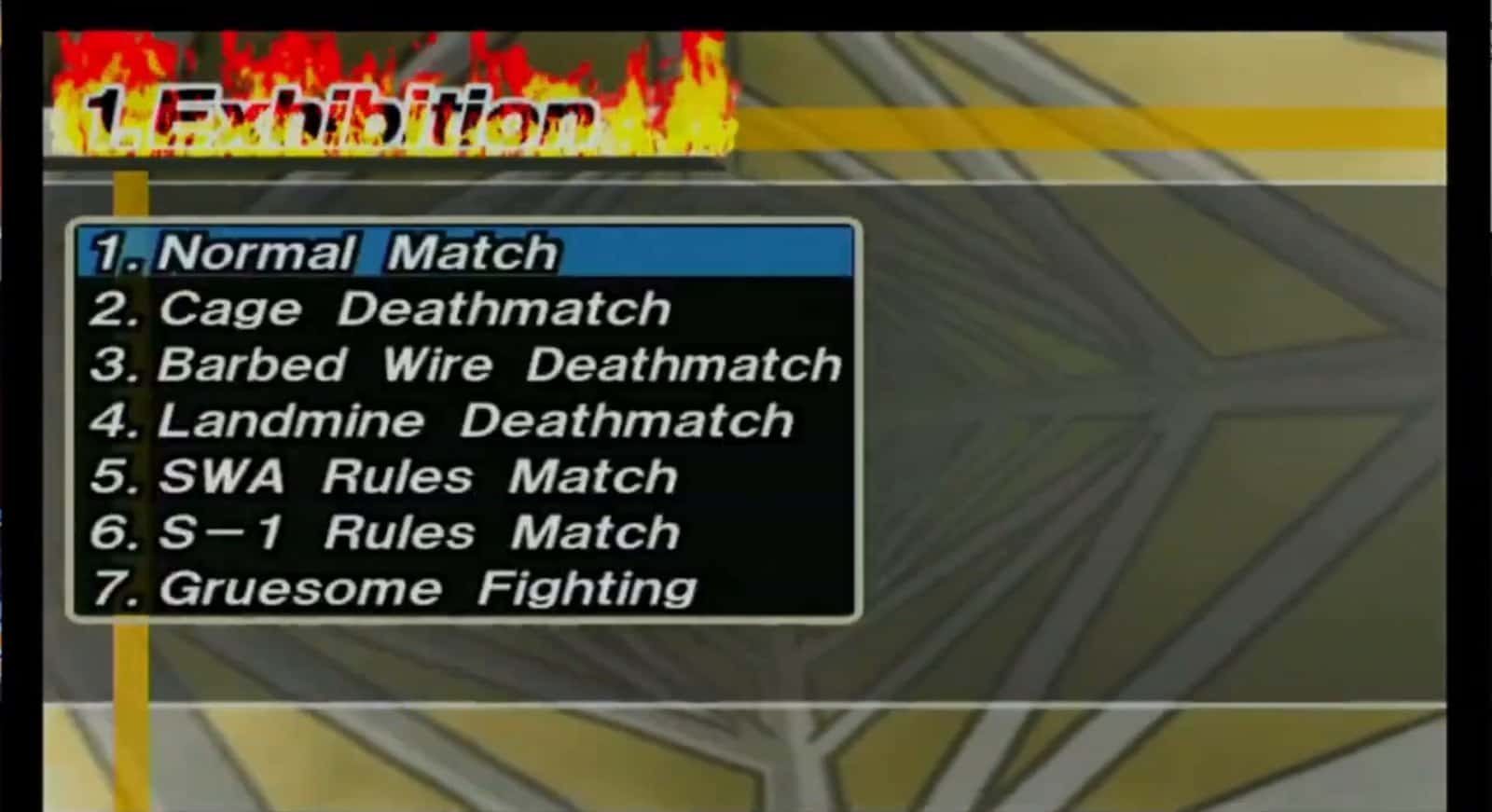
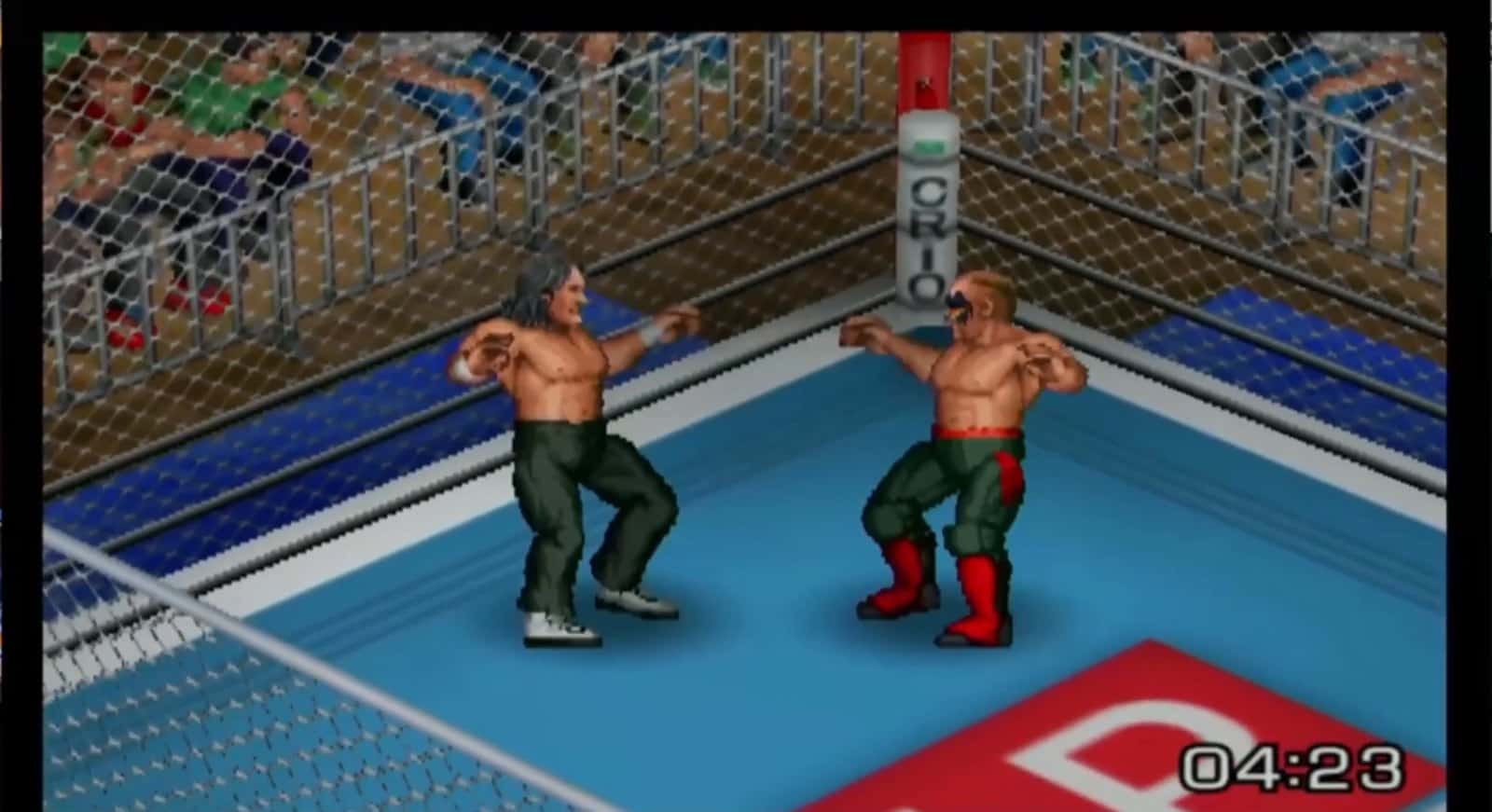
    At first glance it looks like it’s just exhibition matches, but there’s a lot more here. You get single matches, tag team matches, battle royals, leagues, title matches and full tournament brackets, with match types ranging from cage matches all the way up to an electrified barbed wire exploding deathmatch. With a multitap, up to 8 players can get in on it.

    A cage match in Fire Pro Wrestling Returns

    There’s also Match Maker mode, where you book your own events and earn money to sign better talent and put on bigger matches. You end up thinking more like a promoter than a player.

    Fire Pro Wrestling Returns Match Maker mode booking an event card

    A roster from around the world

    ▶ Watch this part (5:14)

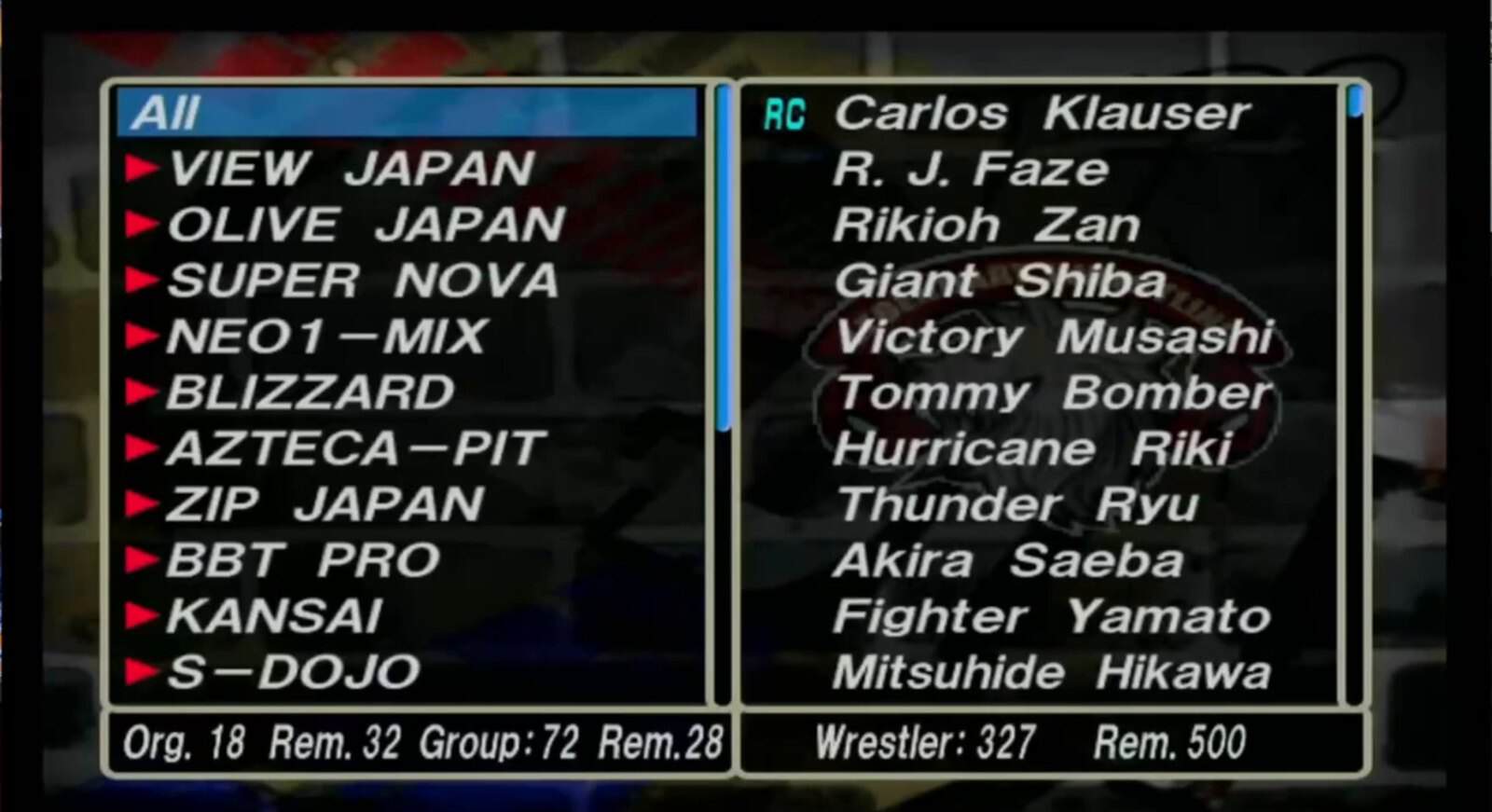
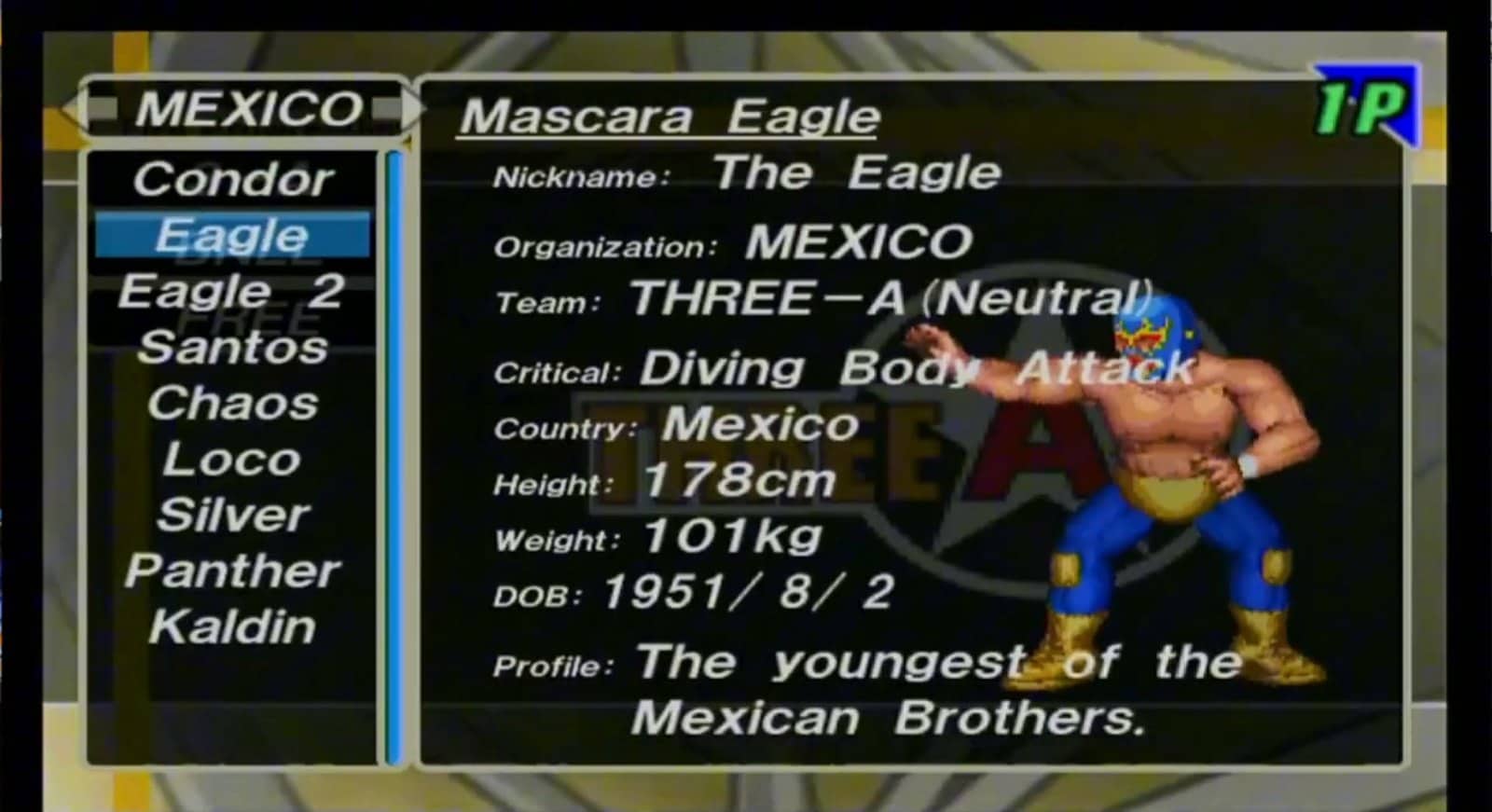
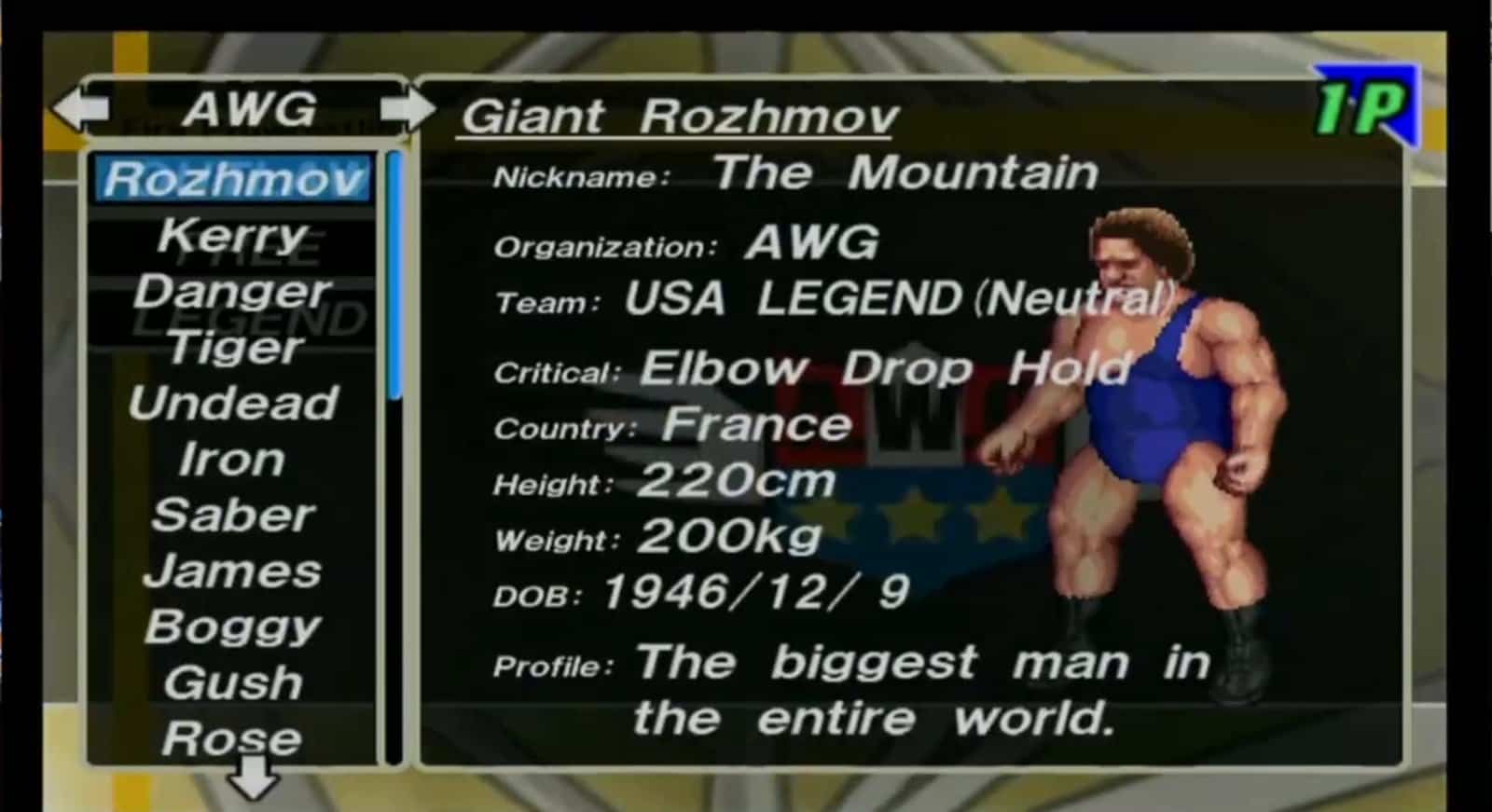
    Instead of building around one licensed brand, Fire Pro takes a different approach. The game ships with 327 wrestlers (plus room for 500 of your own), and the roster is inspired by wrestlers from around the world. You’ll see clear influences from Japanese promotions like New Japan Pro-Wrestling and All Japan Pro Wrestling, plus American and Mexican styles.

    None of it is officially licensed, but if you’re a wrestling fan you’ll recognize the inspiration immediately. It feels like a celebration of wrestling as a whole, not just one company.

    Fire Pro Wrestling Returns wrestler select screen showing 327 wrestlers

    Wrestlers don’t all play the same, either. You’ve got technical wrestlers, power wrestlers, high-flyers and submission specialists, and every matchup feels different.

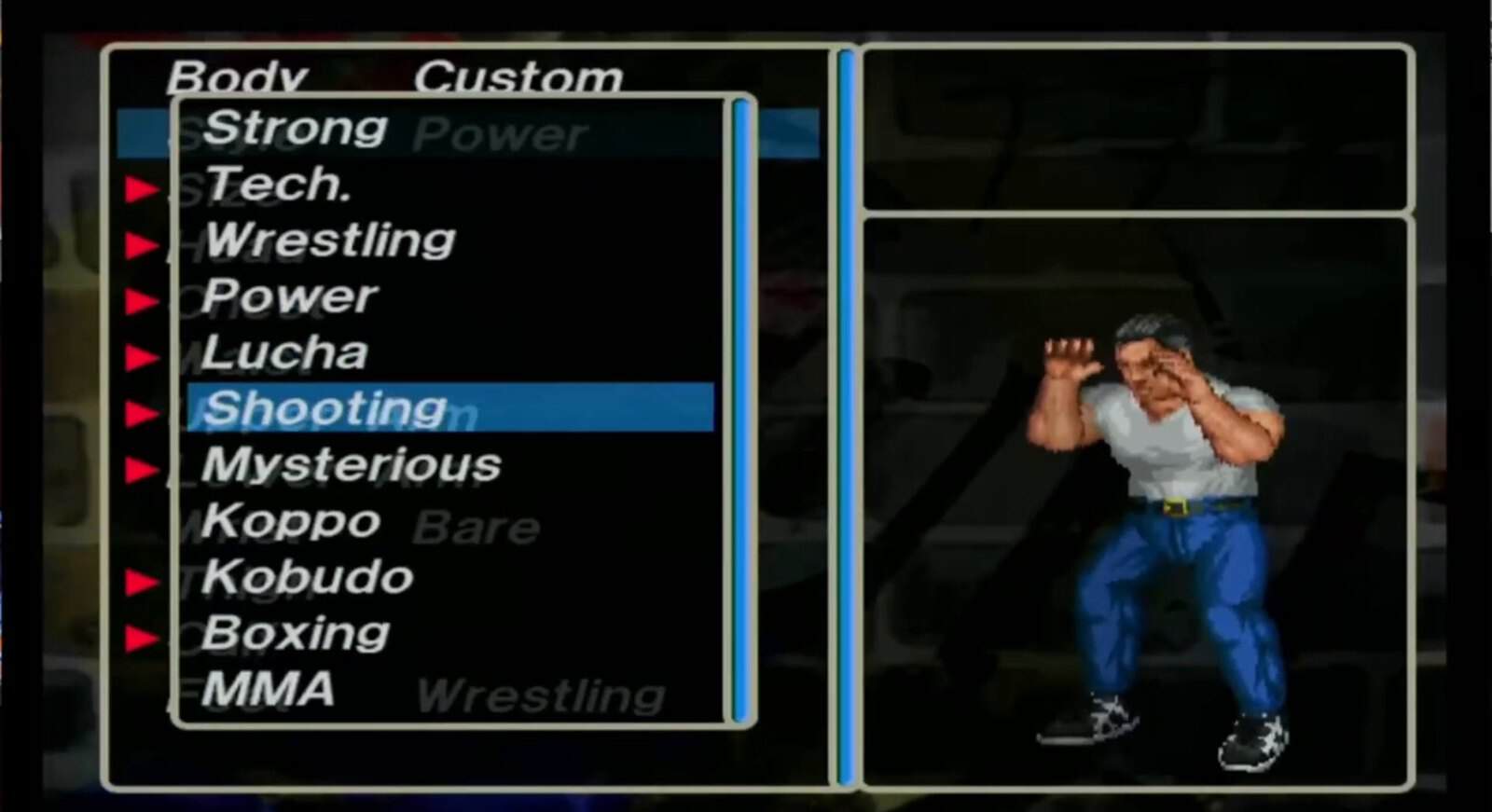
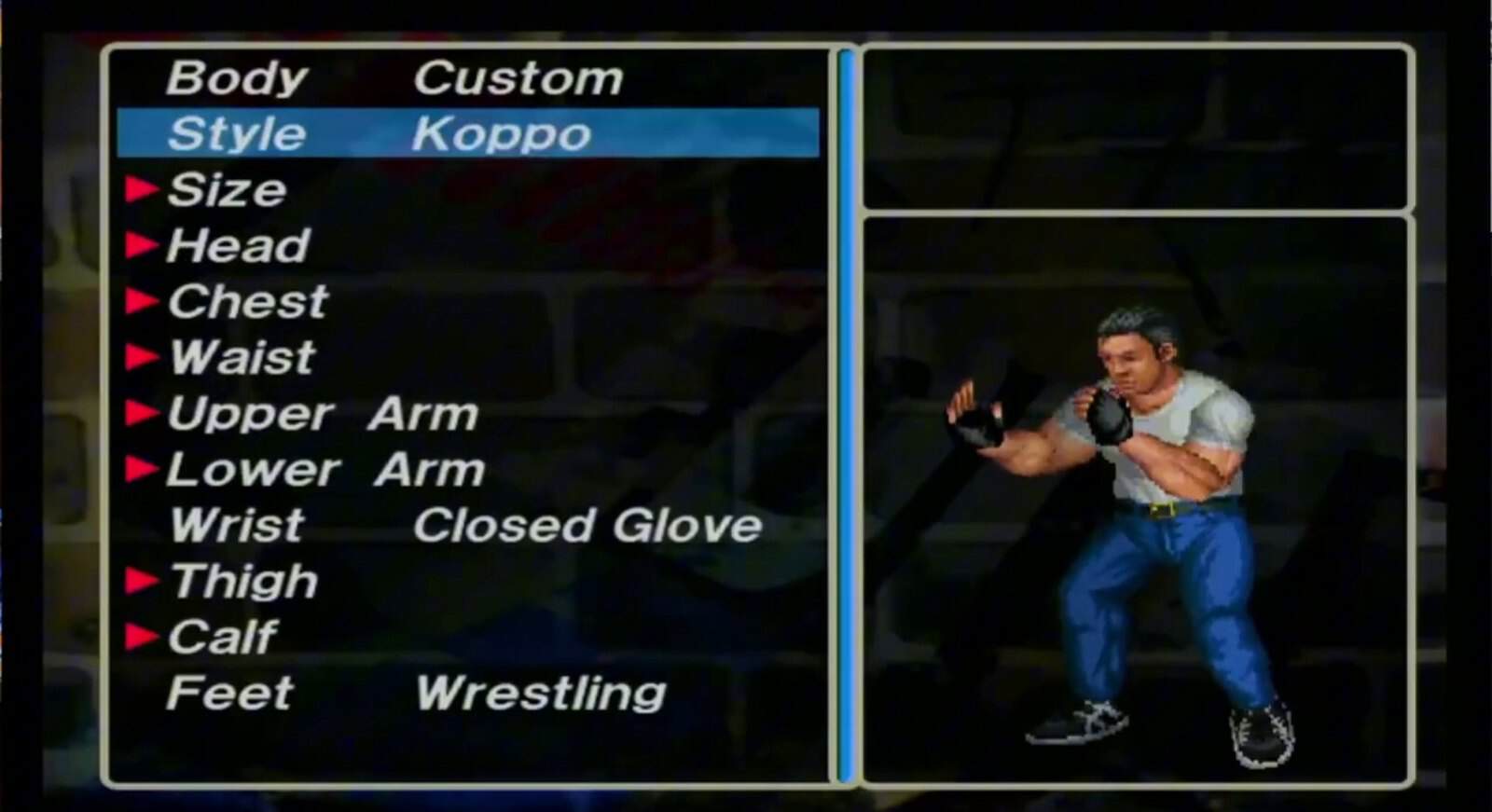
    Fire Pro Wrestling Returns fighting style options including Lucha, Shooting, Koppo, Boxing and MMA
    Every wrestler has a fighting style, from Lucha to Shooting to MMA.

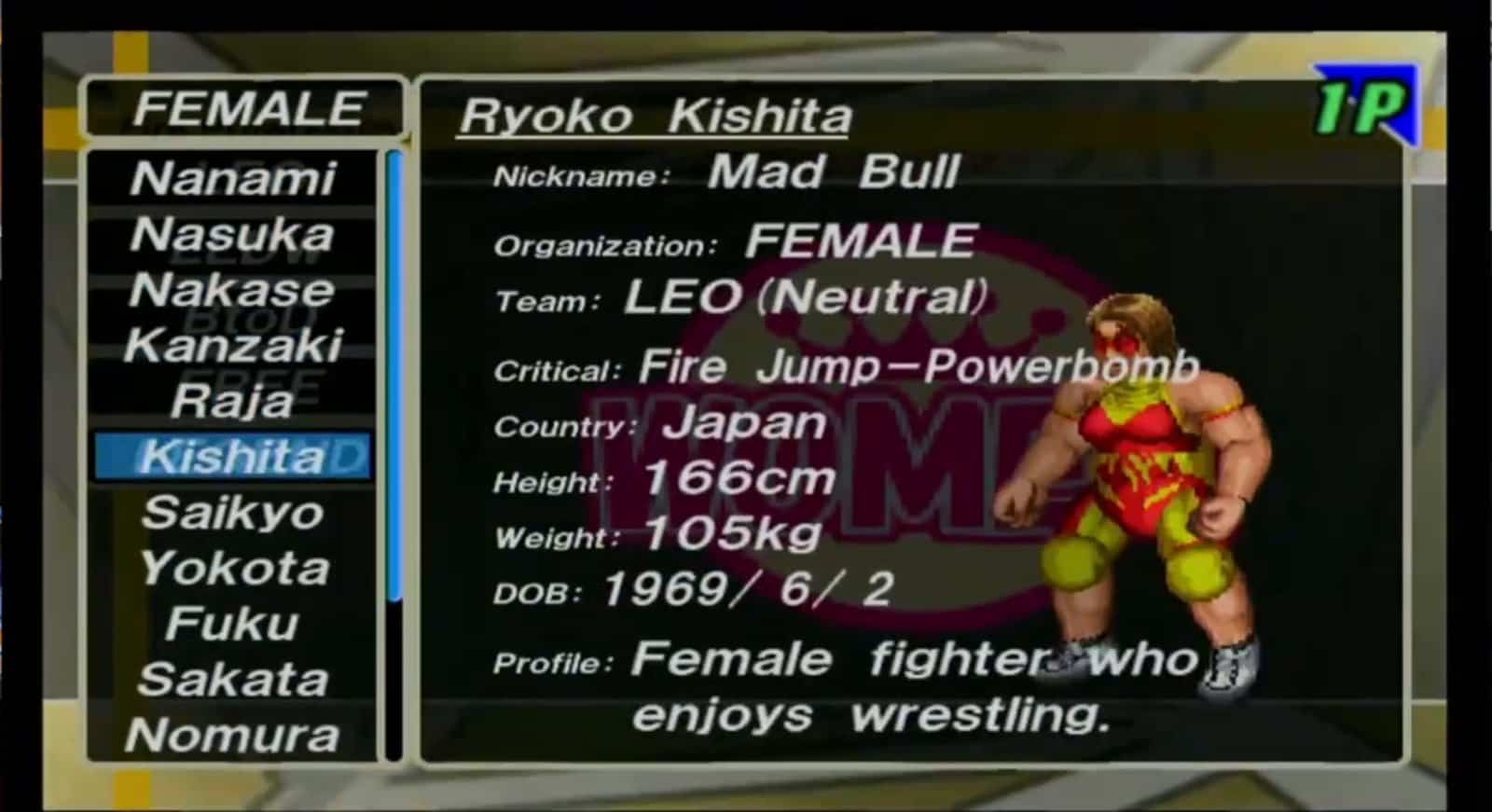
    Another cool detail: the roster includes women wrestlers representing Joshi wrestling, and they’re not an afterthought. They get their own move sets, their own pacing and the same depth as everyone else, which wasn’t always handled this well back then.

    Ryoko Kishita profile from the Female group in Fire Pro Wrestling Returns

    My first match: humbled

    ▶ Watch this part (6:32)

    I remember the first time I played this game. I went in expecting something like SmackDown and got destroyed. Nothing worked. My moves wouldn’t land, I kept getting countered, and honestly it got really frustrating.

    Then something clicked. I started to understand the timing, the pacing and the rhythm of a match, and suddenly every move I landed felt earned.

    Does it hold up?

    ▶ Watch this part (7:03)

    Fire Pro doesn’t care about flashy presentation. No big entrances, no over-the-top production, and the 2D sprite visuals are very simple. That’s on purpose: everything is focused on what happens inside the ring.

    It isn’t for everyone. It’s slower, more technical, and it takes patience. My tip: start with light grapples and don’t go for the big moves until the match has warmed up. If you’re willing to learn it, it’s one of the most unique wrestling experiences on the PS2.

    Collecting Fire Pro Wrestling Returns

    ▶ Watch this part (7:22)

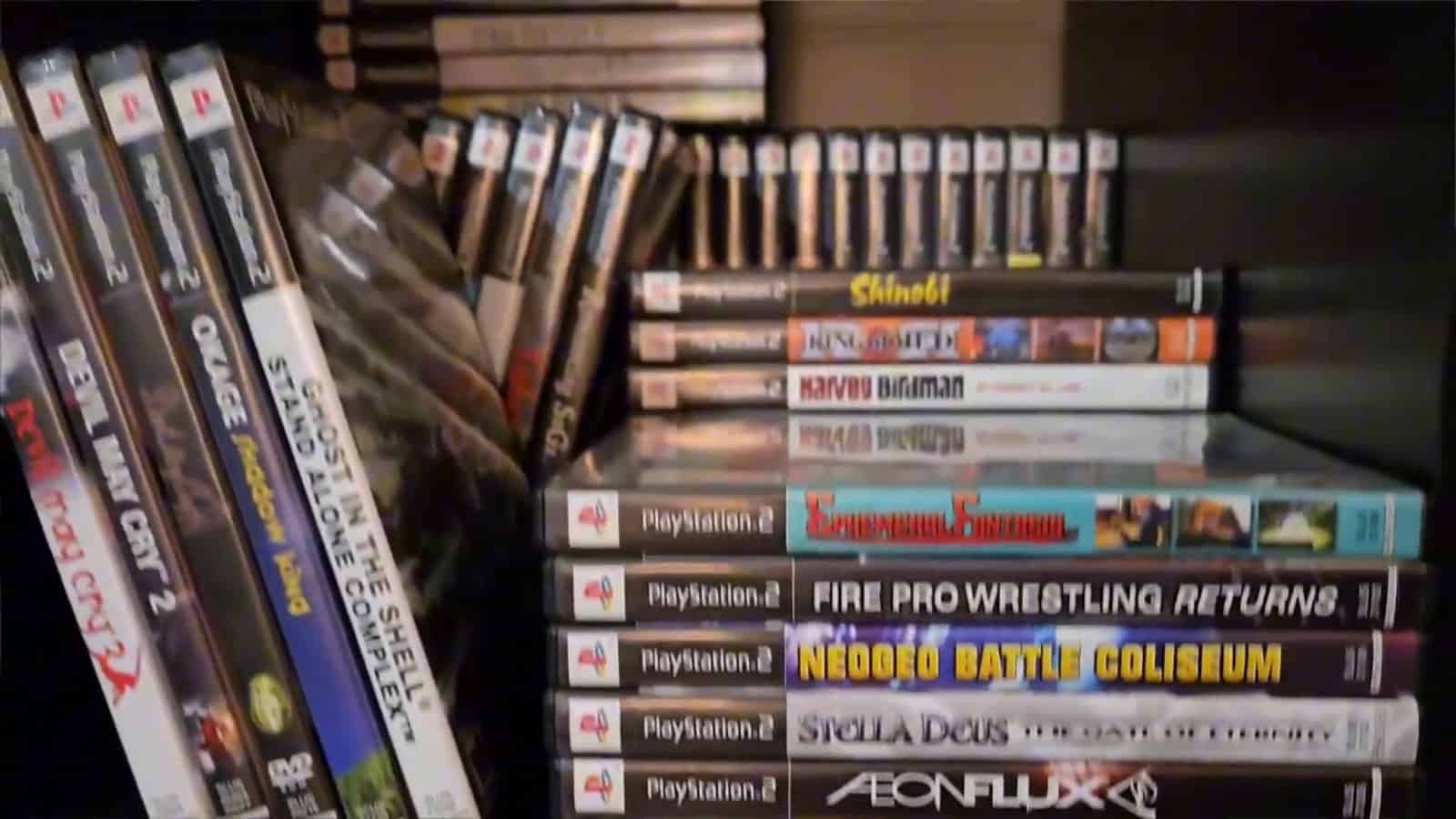
    Fire Pro Wrestling Returns on the shelf in the Neon Stache PS2 collection

    From a collector’s perspective, this game represents something really unique on the PS2: a completely different philosophy. No licenses, no mainstream push, just deep mechanics and a dedicated audience. To me, that’s made it a true classic.

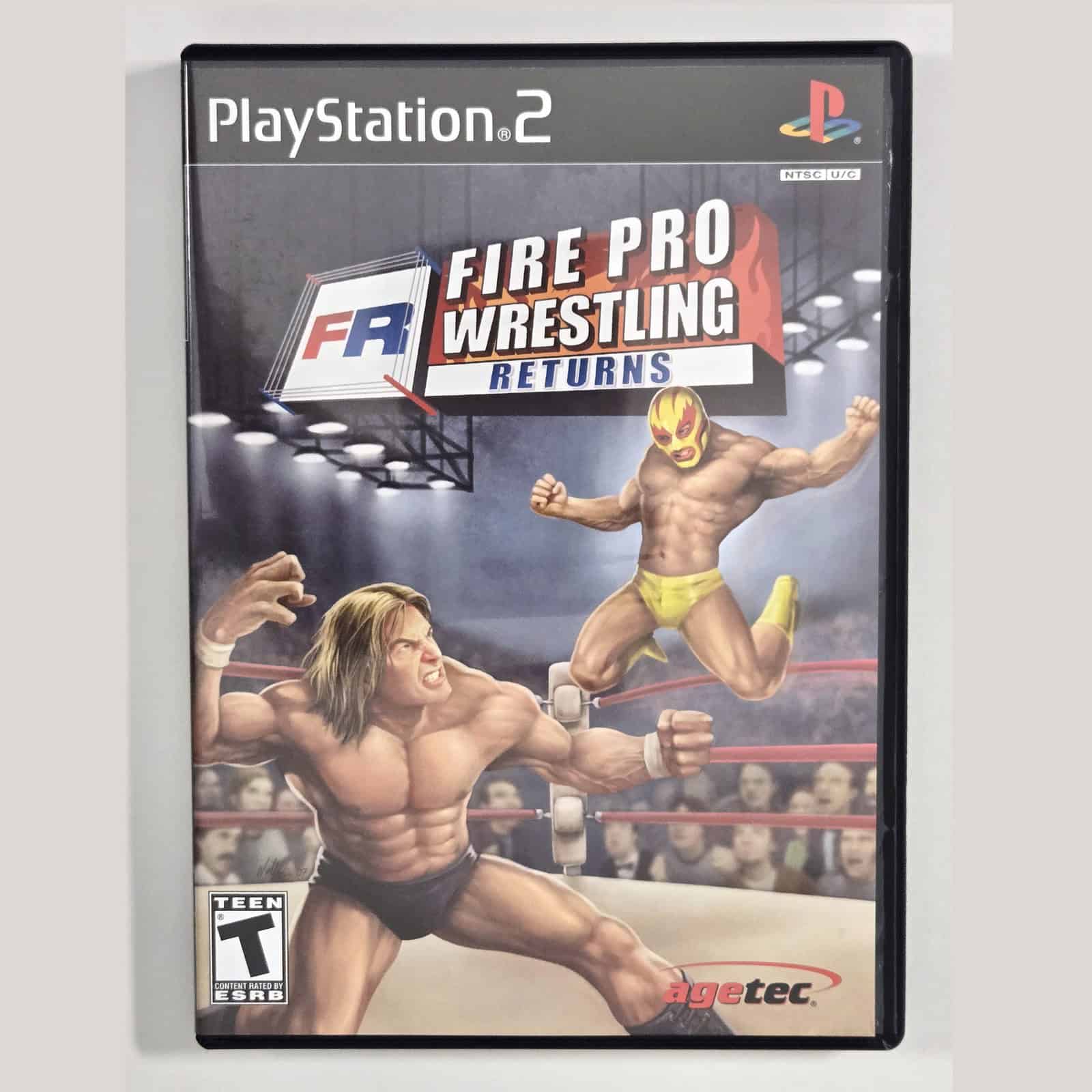
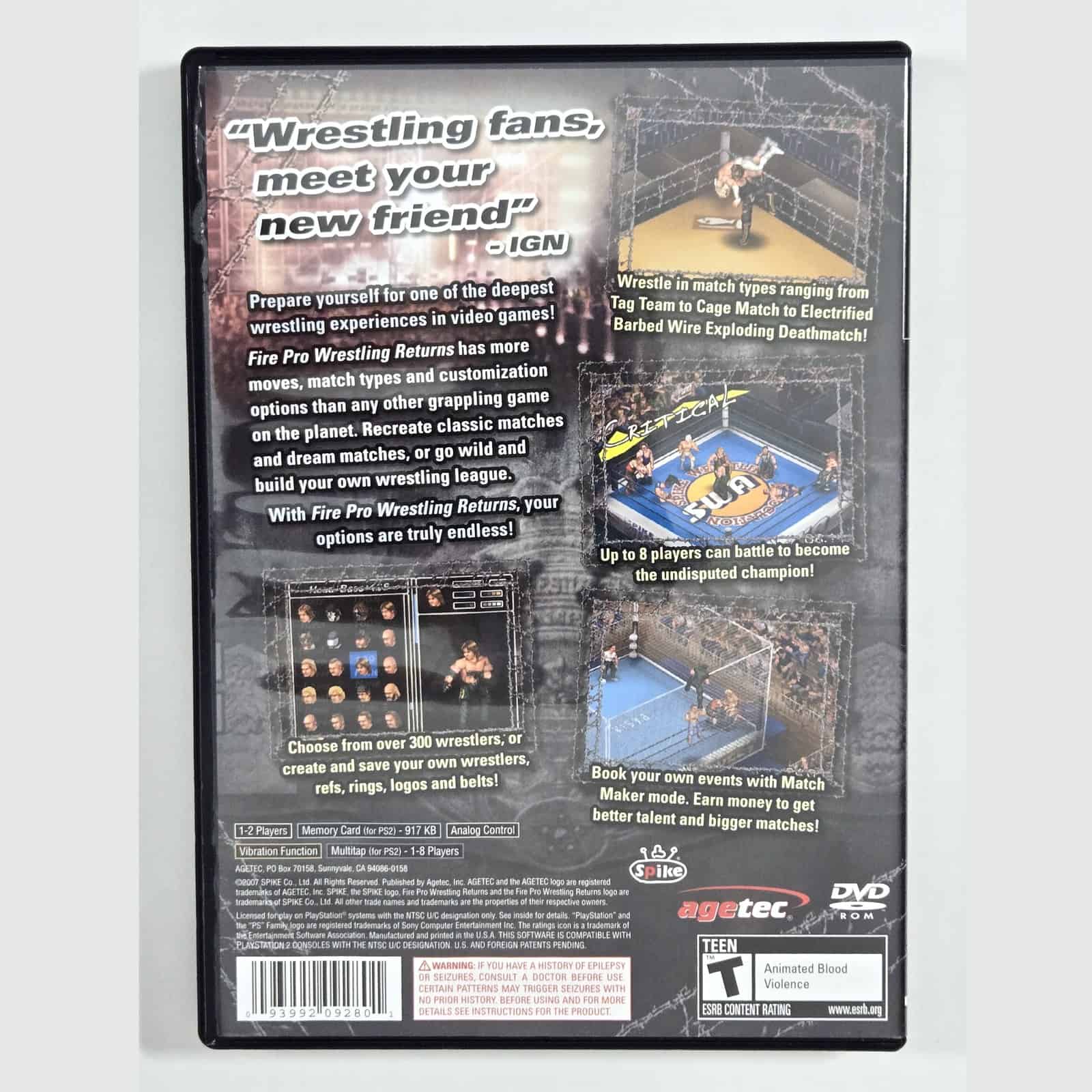
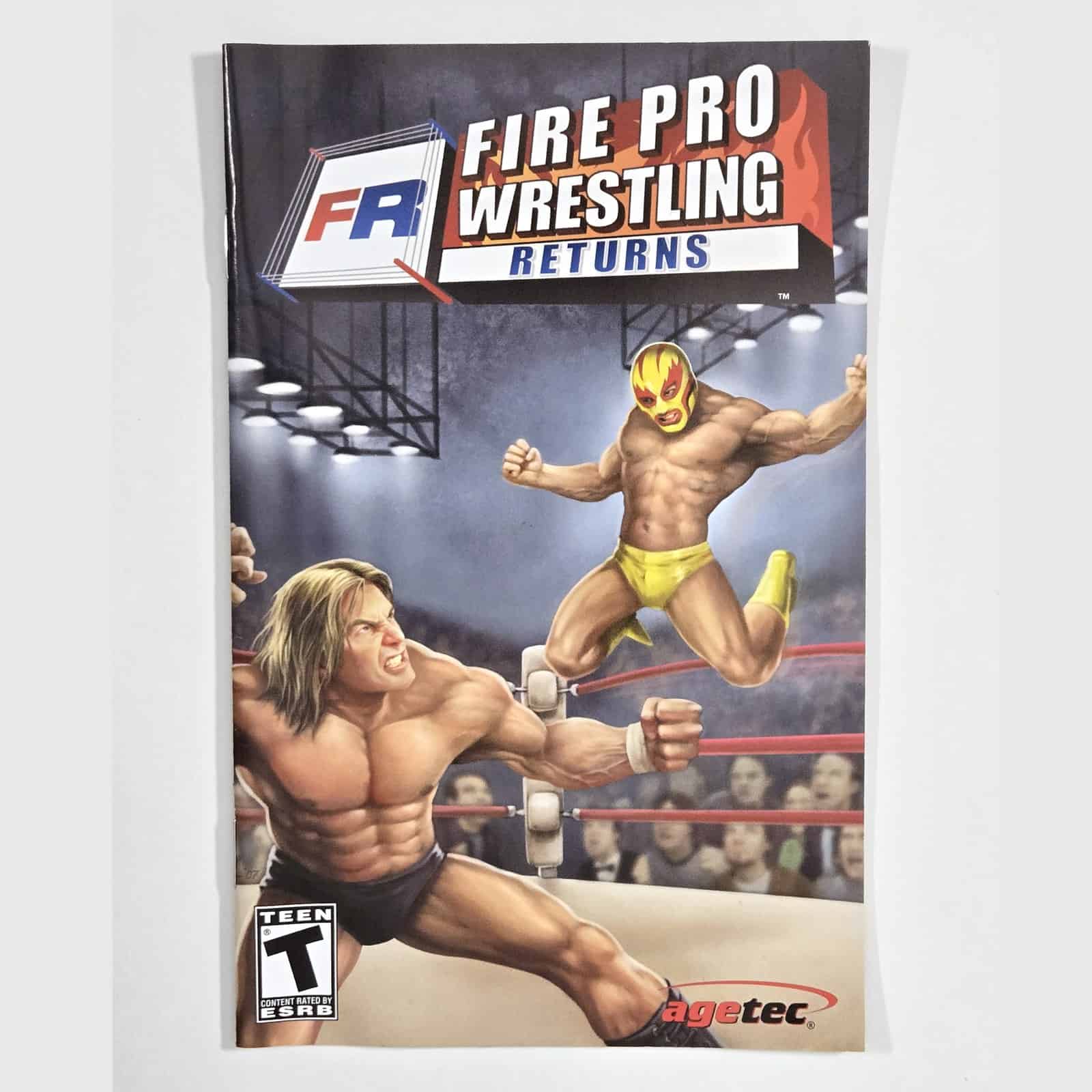
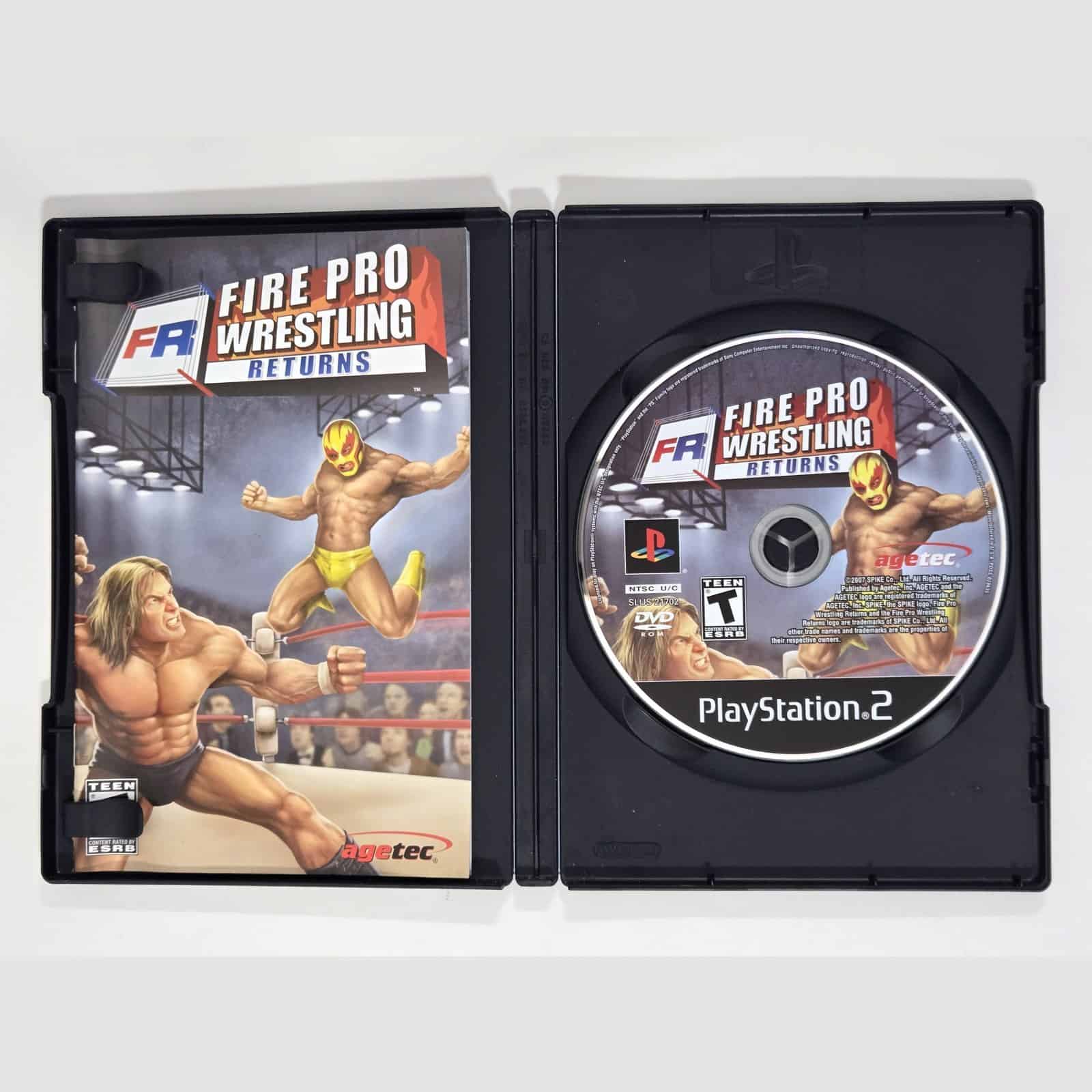
    A complete North American copy is the case, the disc and the manual. Mine is complete:

    Want one for your shelf? Find Fire Pro Wrestling Returns on eBay, and look for listings that show the manual.

    If you’re new to PS2 collecting, my PS2 Beginner’s Guide covers how to get set up cheap. And if you’re after more overlooked gems, check out my Eternal Poison review and my Scaler review.

    Fire Pro Wrestling Returns FAQ

    Who made Fire Pro Wrestling Returns? Spike developed it. It came out in Japan in 2005, and Agetec published the North American version in 2007.

    When did Fire Pro Wrestling Returns come out in North America? November 13, 2007, on PS2, at a budget price of $14.99.

    Is Fire Pro Wrestling Returns a button masher? No. Grapples are won on timing, and mashing actually works against you.

    Does Fire Pro Wrestling Returns have real wrestlers? It’s unlicensed, but the 327-wrestler roster is clearly inspired by real wrestlers from Japan, America and Mexico, and you can edit or create your own.

    Can you watch CPU vs. CPU matches? Yes. You can program each wrestler’s logic and simulate matches, which is a big reason fans call it a wrestling simulator.

    Can you play Fire Pro Wrestling Returns on PS3? Yes. A digital PS2 Classic version came to the PlayStation Store in 2013. I’ll always take the disc, though.

    Is Fire Pro Wrestling Returns worth playing today? If you want a technical, sim-style wrestling game and have the patience to learn the timing, yes. If you want SmackDown-style action, it might not be for you.

    The verdict

    ▶ Watch this part (7:40)

    Fire Pro Wrestling Returns isn’t trying to be flashy. It’s trying to be authentic, and that’s exactly what makes it stand out. For me, it’s the best wrestling game on the PS2.

    You stay frosty.
  • Scaler (PS2): The Lizard Platformer That Flew Under the Radar

    Scaler (PS2): The Lizard Platformer That Flew Under the Radar

    Most platformers on the PlayStation 2 (PS2) have you jumping, running, maybe gliding. Scaler has you get captured, experimented on, and turned into a lizard. Suddenly you’re climbing walls, sticking to surfaces, and smacking enemies with your tongue.

    This isn’t just another mascot platformer. Scaler on PS2 is one of those games that quietly tried something different and somehow flew under the radar.

    This post contains affiliate links. If you buy through them I may earn a small commission, at no extra cost to you. It helps keep the channel going.

    What is Scaler on PS2?

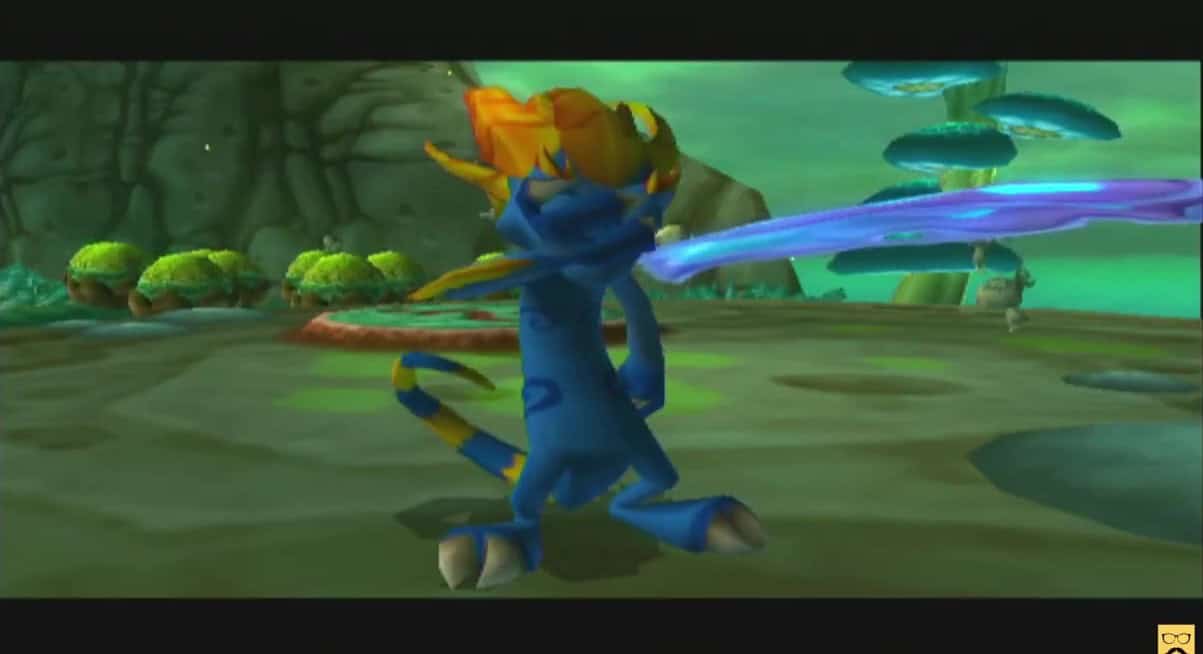
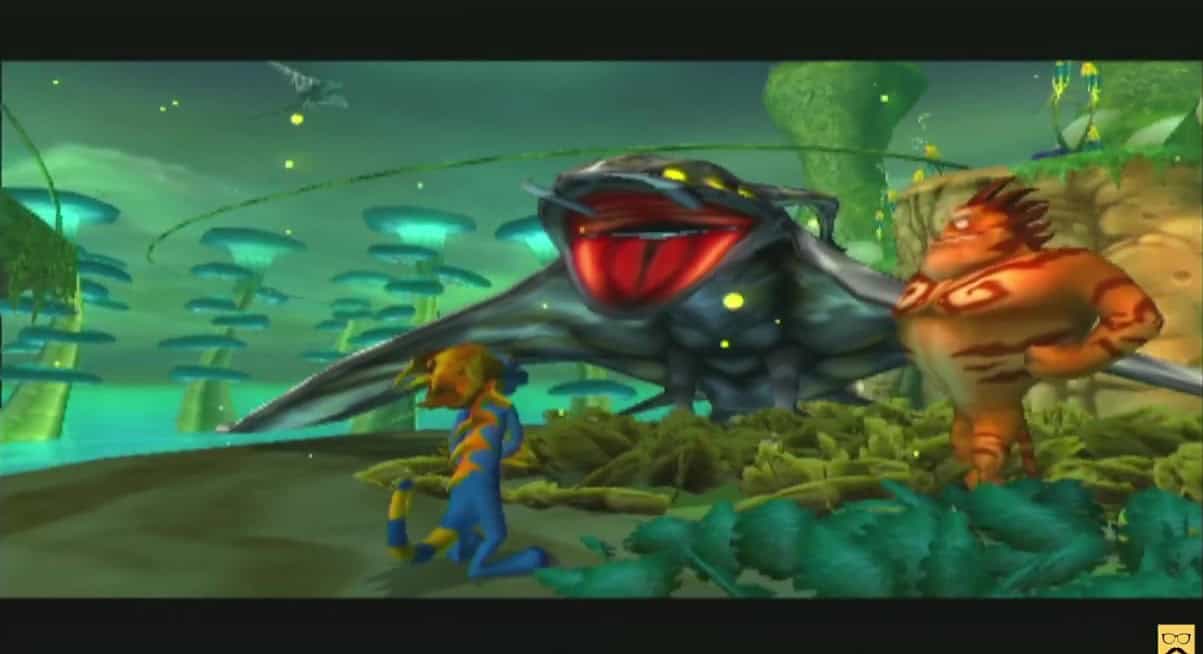
    Trying to remember that PS2 game where you play a blue lizard who climbs walls and smacks enemies with his tongue? That’s Scaler, a 2004 3D platformer that also came out on Xbox and GameCube, and almost nobody noticed it.

    ▶ Watch this part (1:30)

    Scaler, the blue lizard hero, in a jungle level on PS2

    It was developed by A2M (Artificial Mind and Movement) and published by Global Star Software, and it hit PS2 and Xbox in North America in October 2004, with the GameCube version following a month later.

    That timing was rough. Platformers were everywhere on the PS2 back then, and standing out next to the big mascot series wasn’t easy.

    Meet Bobby “Scaler” Jenkins

    ▶ Watch this part (1:42)

    You play as Bobby Jenkins, a 12-year-old who loves skateboarding and lizards, not necessarily in that order. He stumbles onto a villain’s plot to build an army of mutant lizards, gets caught, and comes out the other side as a blue reptile with a new nickname: Scaler.

    From there he’s dropped into a strange parallel world, and the game becomes about learning a completely different way to move and fight.

    Climbing and the tongue

    ▶ Watch this part (2:12)

    This is where Scaler stands out. You’re not just running across the ground. You’re climbing walls, sticking to surfaces, and moving through levels vertically. Movement is the main mechanic, and once it clicks, you start seeing every level differently.

    Scaler climbing a giant tree in a PS2 jungle level

    Combat fits the lizard theme. Your tongue lets you hit enemies from a distance. It takes out smaller enemies outright and stuns the bigger ones, which keeps the action flowing.

    Claws and transformations

    ▶ Watch this part (2:59)

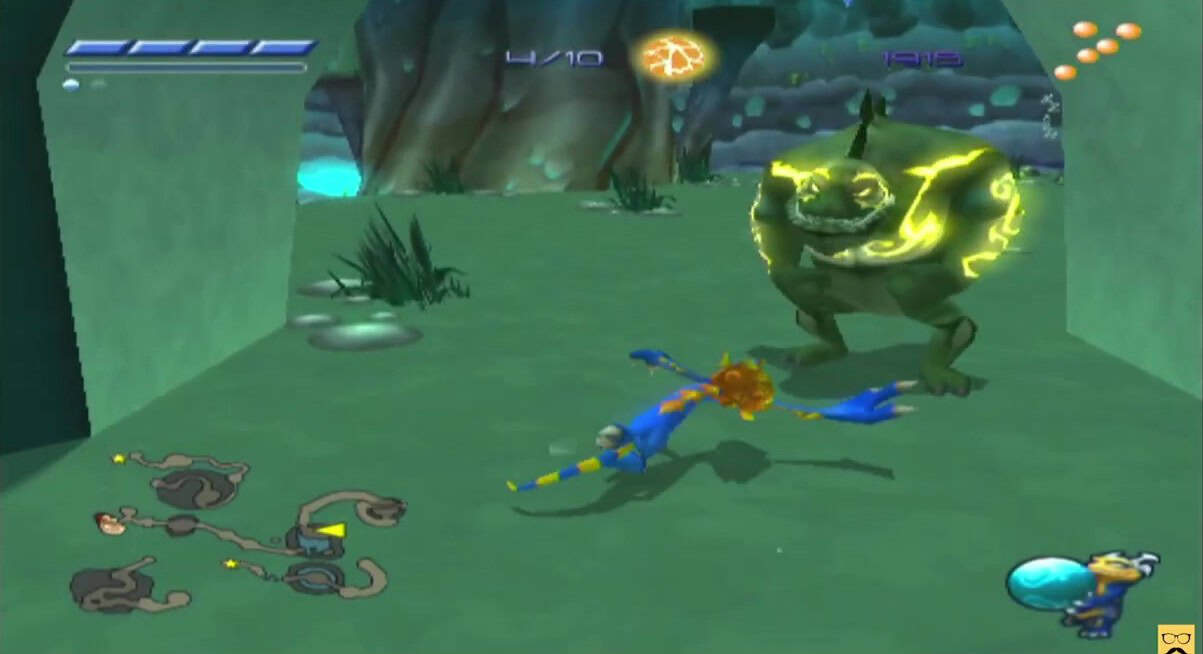
    For heavier fights you’ve got claws. You start with a basic claw attack and upgrade your way up to the ultimate claw attack. Add a jump and you get a claw dash.

    Scaler fighting a glowing green enemy

    The best part: beat enough enemies of one type and Scaler can turn into them and borrow their abilities. There are five forms:

    • Bakudan: rolls bombs to take out enemies from a safe distance and blast open barriers.
    • Krock: a rolling spike attack that crushes enemies and breaks through barriers.
    • Doozum: flies to new areas and fights with a sonar attack.
    • Fruzard: a frilled lizard that’s basically a walking sniper rifle, picking enemies off from range.
    • Swoom: slow and awkward on land, but it’s the only form that can swim.

    These transformations are pretty awesome, and they’re a big reason the levels don’t feel samey.

    Collect to get stronger

    ▶ Watch this part (4:11)

    Like a lot of platformers from this era, you collect items, clear levels, and unlock new areas. The part the game doesn’t explain right away is how much those collectibles matter.

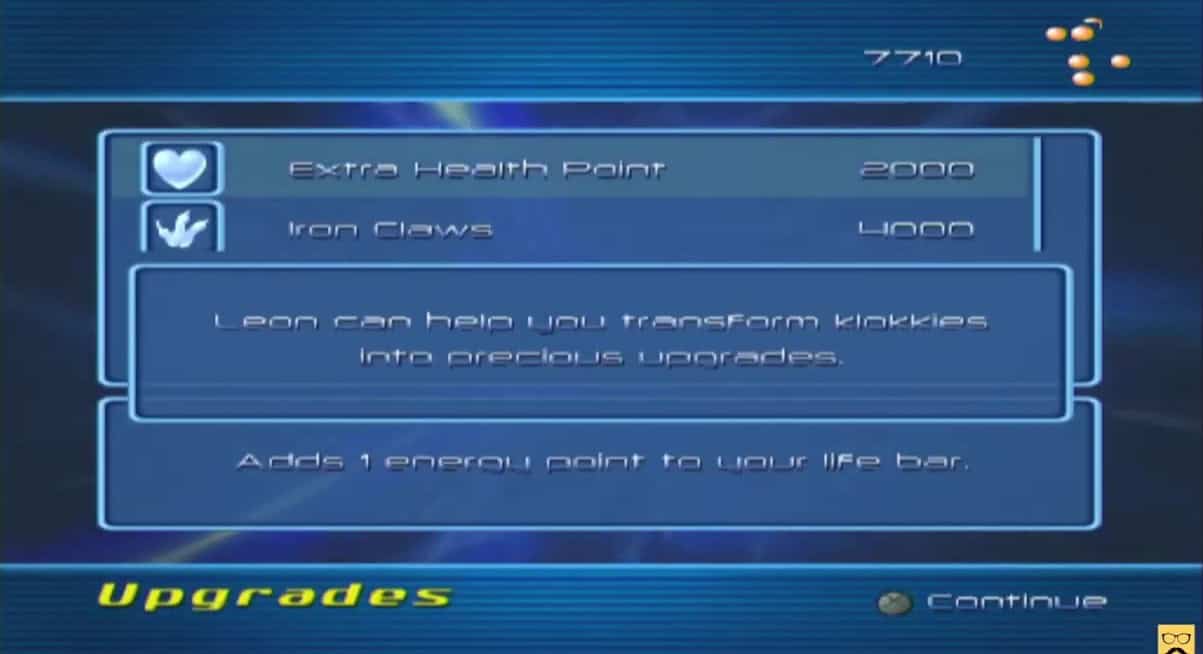
    The energy you collect comes in the form of Klokkies, and as the upgrade screen puts it, “Leon can help you transform Klokkies into precious upgrades,” like extra health and Iron Claws. So it’s not just for completion’s sake. The more you explore and collect, the stronger Scaler gets.

    Scaler upgrades menu: Extra Health Point and Iron Claws bought with Klokkies

    And the way you get those upgrades is the best part. You hand over your Klokkies, and a giant creature basically throws up on you. Yuck. It’s gross, it’s hilarious, and it’s very 2004.

    A giant creature spewing an upgrade onto Scaler after he hands over Klokkies

    Vine riding

    ▶ Watch this part (5:03)

    What makes Scaler interesting to me is that its uniqueness comes from movement, not complexity. Being able to climb and reposition yourself changes how you approach every challenge.

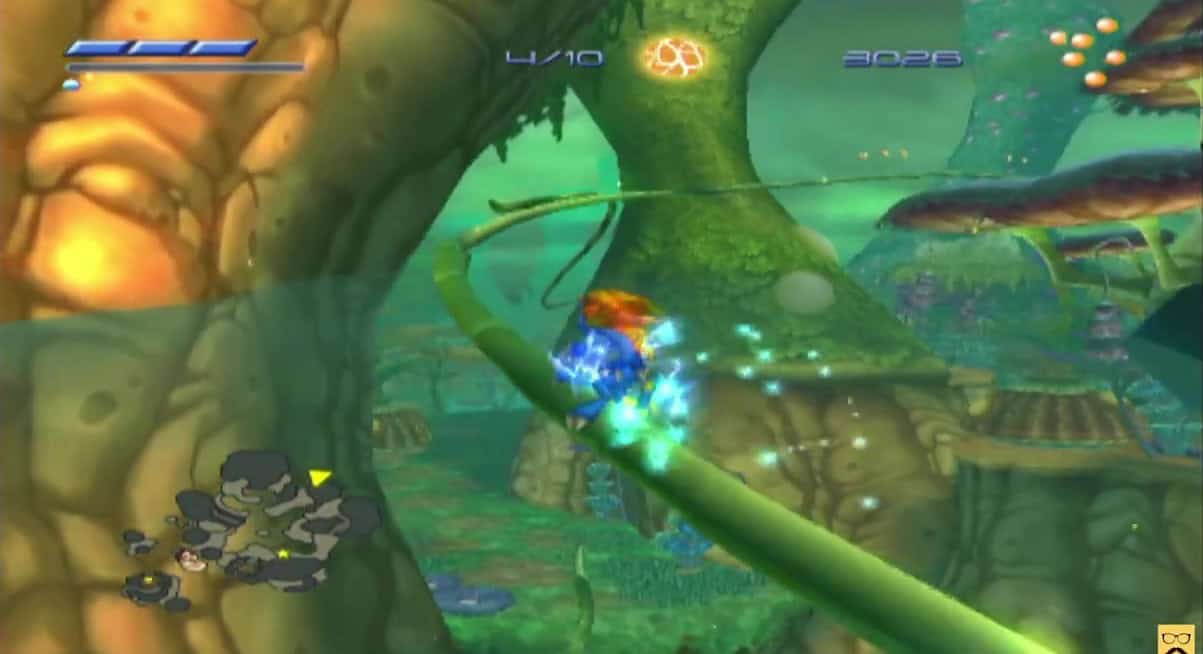
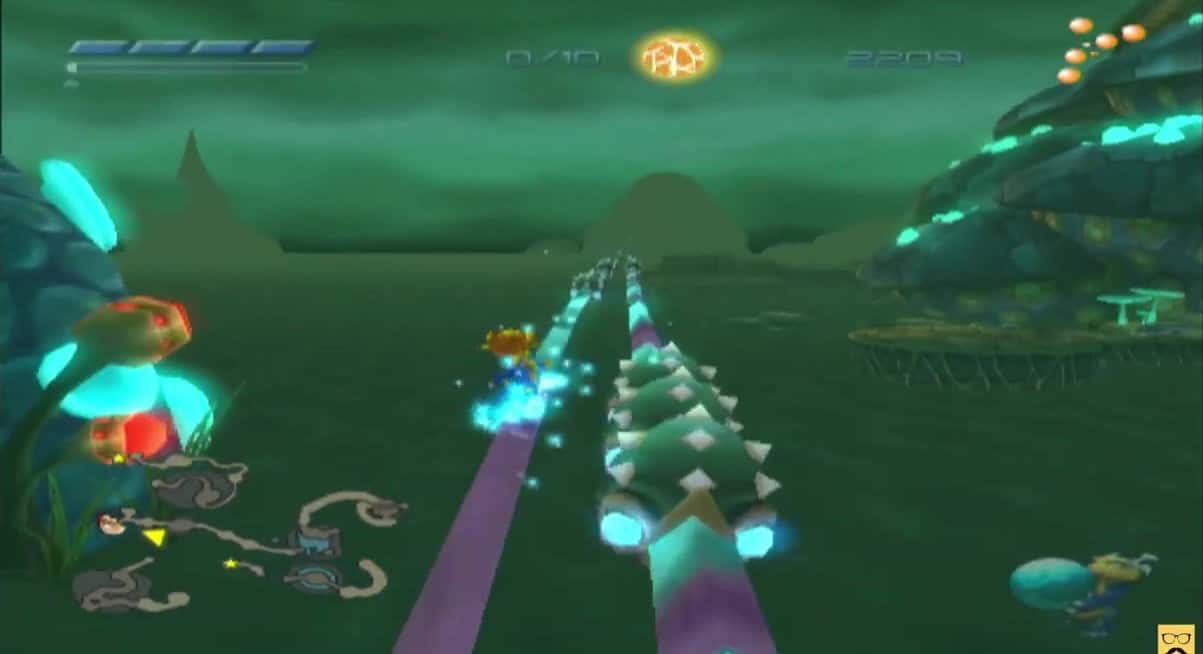
    On top of climbing and camouflage, you’ve got vine riding, which I think is one of the coolest features in the game. You surf along vines to reach new areas, and riding them also charges up your electric bomb attack.

    Scaler surfing along a glowing vine

    Explore, climb, fight, collect, progress. Simple structure, but the way you move through the world makes it feel fresh.

    Art and music

    ▶ Watch this part (6:13)

    Scaler leans into colorful, stylized visuals. The environments are clear, easy to read, and built around vertical movement, which matters when you’re spending half the game on walls.

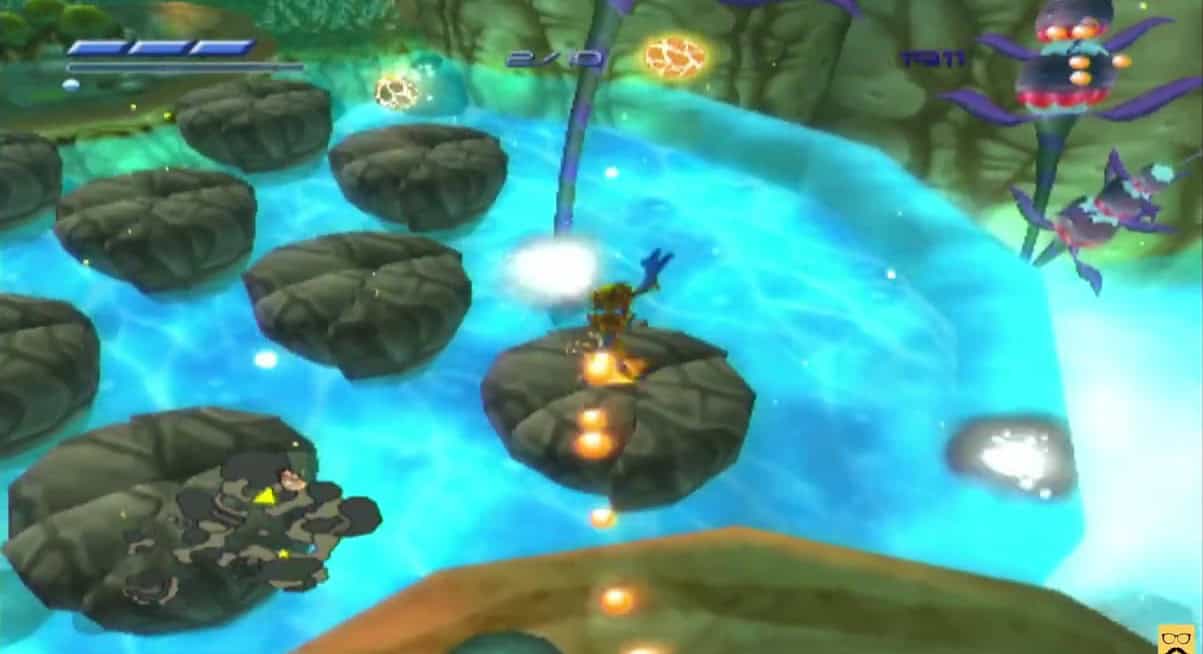
    A bright Scaler level with floating platforms over water

    The soundtrack keeps the energy up during platforming sections and stays subtle while you explore, which I thought was a nice touch.

    Does it hold up?

    ▶ Watch this part (6:55)

    At first the movement feels awkward. It’s a new game and you’re learning how to climb, reposition, and figure out how everything works. But once it clicks, you start flowing through levels, and that’s where Scaler really shines.

    Critics were split. IGN gave it an 8 out of 10, Game Informer gave it a 4.5, and it averaged around 70 on Metacritic. Most reviews liked how it looked and played but called the story and level design formulaic. That lines up with my take: it’s not reinventing the genre, but it does just enough to feel different.

    I’ve also noticed Scaler popping up in conversations again, especially on Reddit, where overlooked PS2 platformers are getting a second look. Not because it was a massive hit, but because it tried something different.

    Collecting Scaler

    ▶ Watch this part (7:17)

    From a collector’s perspective, Scaler sits in an interesting middle ground. Not rare, not super common, but definitely overlooked. Those are often the most fun games to rediscover.

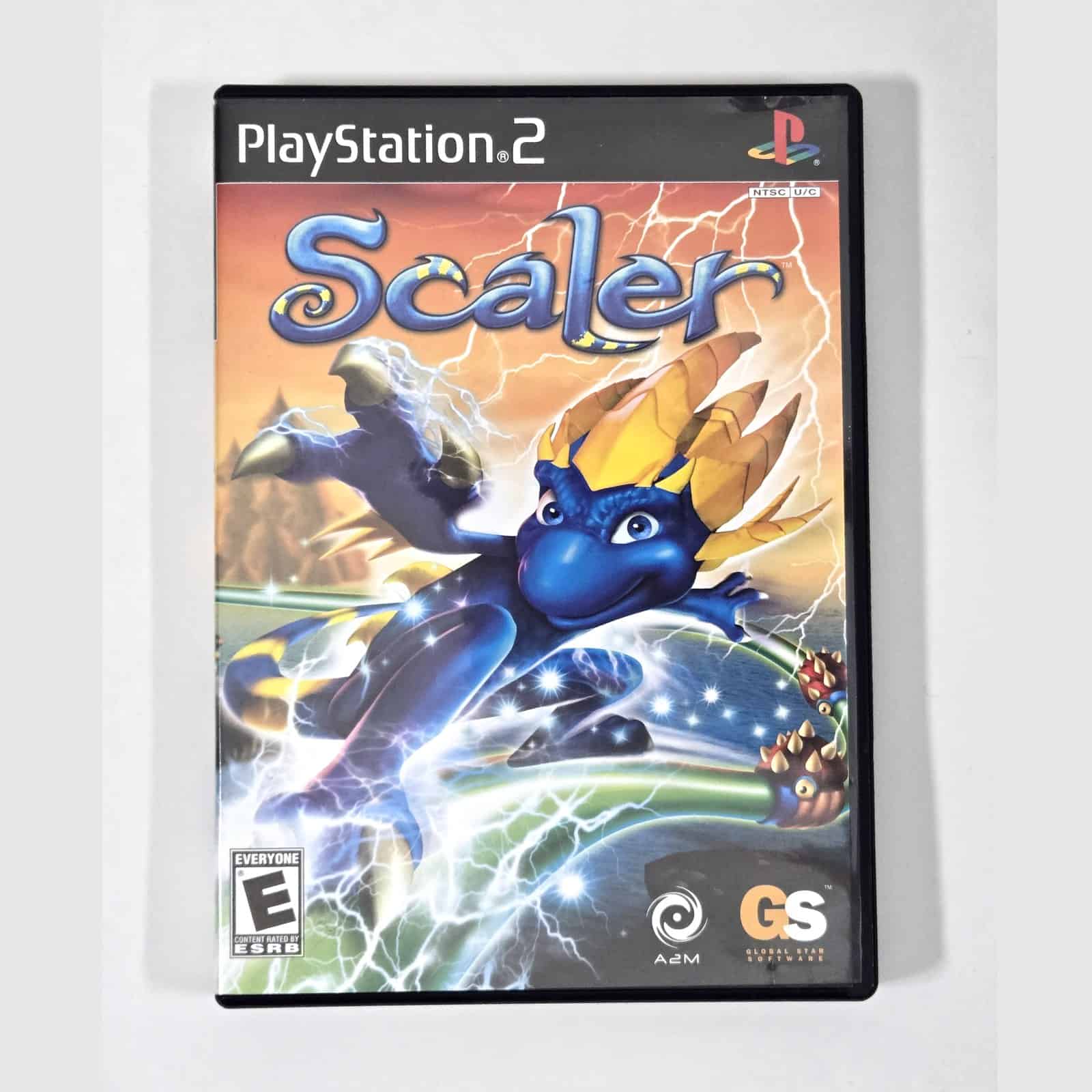
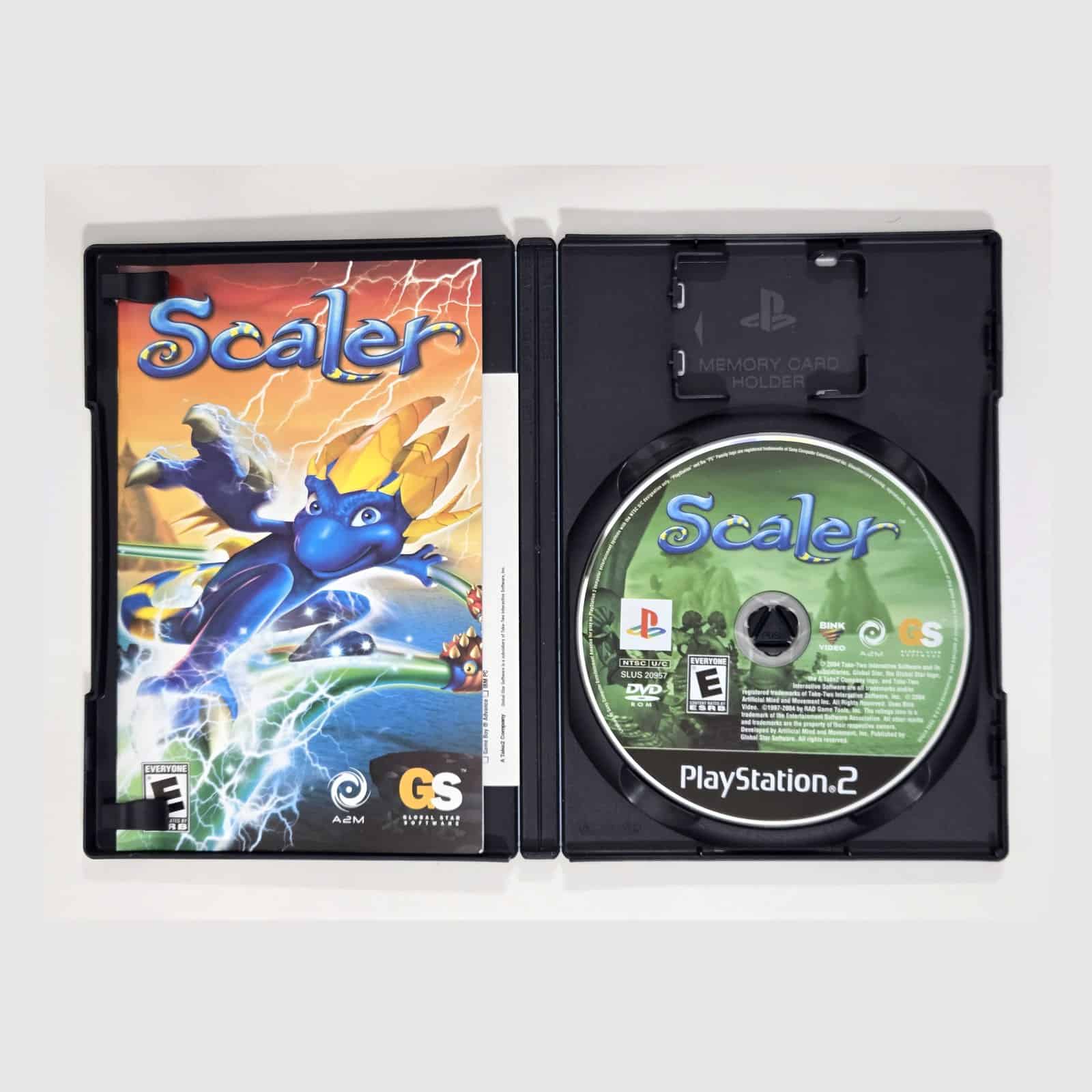
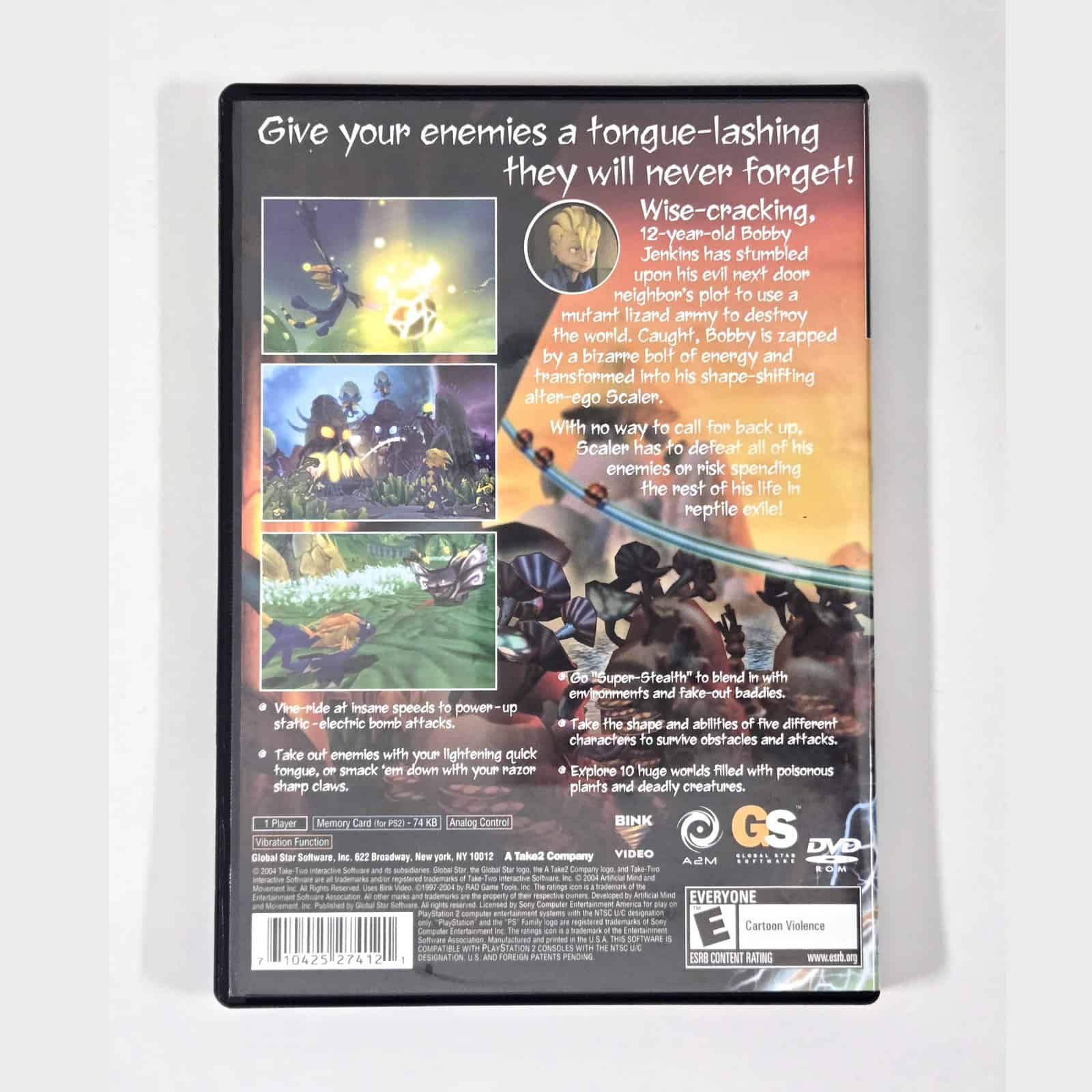
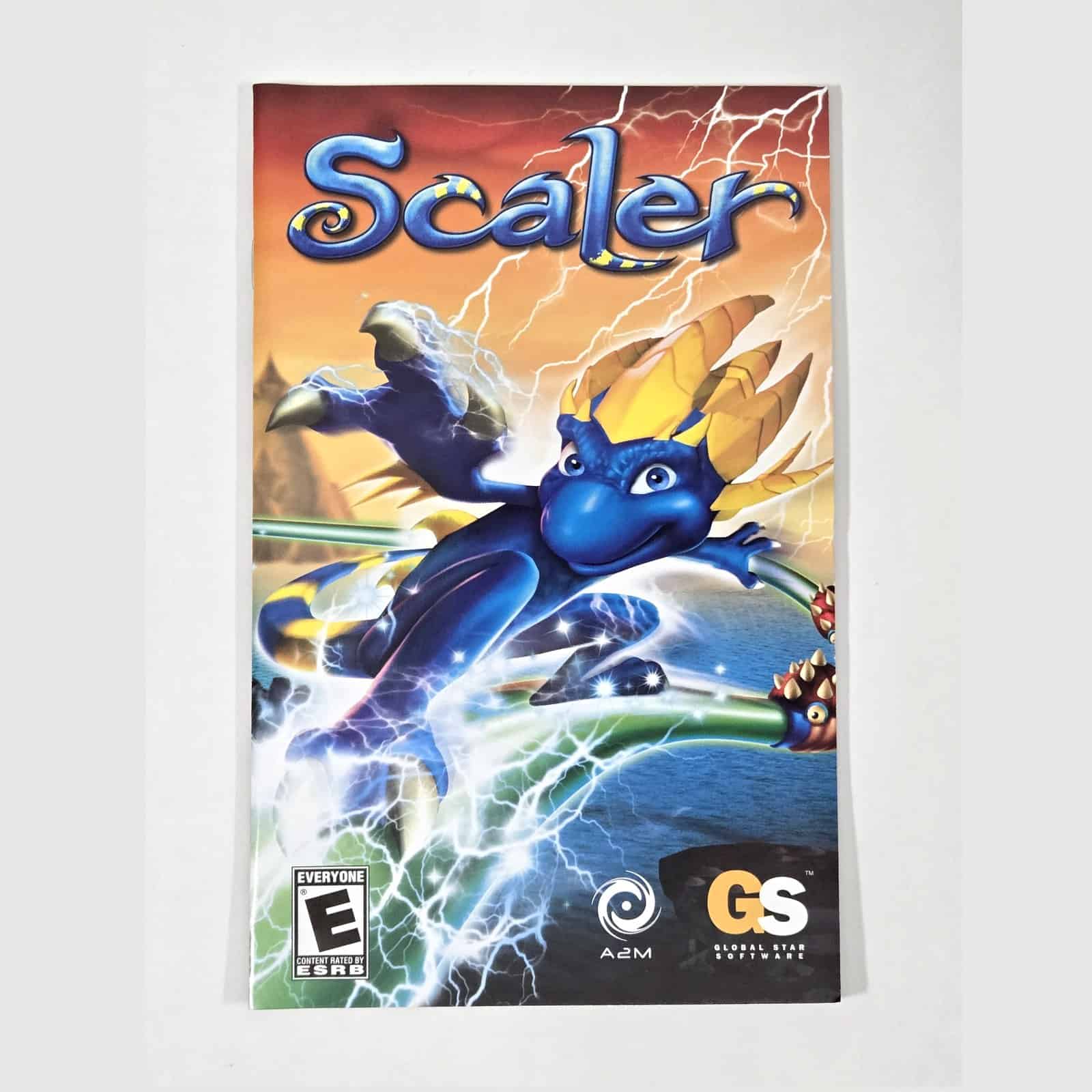
    The North American PS2 release is SLUS-20957, and a complete copy is the case, the disc and the manual. Mine is complete:

    Want one for your shelf? Check Scaler on eBay, and look for listings that show the manual.

    If you’re new to PS2 collecting, my PS2 Beginner’s Guide covers how to get set up cheap. And if you want something stranger after this, check out my Eternal Poison review.

    Scaler FAQ

    What’s the PS2 game with the blue lizard?
    It’s Scaler (2004). You play Bobby Jenkins, a kid who gets turned into a blue lizard, climbing walls, grabbing enemies with your tongue and transforming into other creatures. It also came out on Xbox and GameCube.

    Who made Scaler? A2M (Artificial Mind and Movement) developed it, and Global Star Software published it in 2004.

    What platforms is Scaler on? PlayStation 2, Xbox and GameCube. The PS2 and Xbox versions came out in North America in October 2004, and the GameCube version followed in November.

    Who is Scaler? Scaler is Bobby Jenkins, a 12-year-old who gets turned into a blue lizard after stumbling onto a villain’s plan to build an army of mutant lizards.

    What can Scaler transform into? Five enemy forms: Bakudan, Krock, Doozum, Fruzard and Swoom. You unlock them by defeating enough enemies of each type.

    What are Klokkies in Scaler? The energy you collect, which Leon can turn into upgrades like extra health and stronger claws.

    Is Scaler worth playing today? If you like PS2 platformers and want something a little different, yes. The movement feels awkward at first, but once climbing clicks, the levels open up.

    The verdict

    ▶ Watch this part (7:34)

    Scaler isn’t trying to reinvent platformers. It introduces just enough to feel different: wall climbing, a tongue attack, enemy transformations and vine surfing. For PS2 collectors like me, it’s one of those games worth revisiting.

    You stay frosty.
  • Eternal Poison (PS2): The Atlus Tactical RPG Where You Capture the Enemy

    Eternal Poison (PS2): The Atlus Tactical RPG Where You Capture the Enemy

    Most tactical RPGs want you to wipe the enemy off the map as fast as possible. Eternal Poison wants you to leave one alive, beat it to within an inch of its life, and drag it home in a book.

    That one idea is what makes this game. It turns every battle into a gamble and every map into a hunt, and it’s why Eternal Poison is one of my favorite hidden gems on the PlayStation 2 (PS2).

    This post contains affiliate links. If you buy through them I may earn a small commission, at no extra cost to you. It helps keep the channel going.

    What is Eternal Poison?

    ▶ Watch this part (1:30)

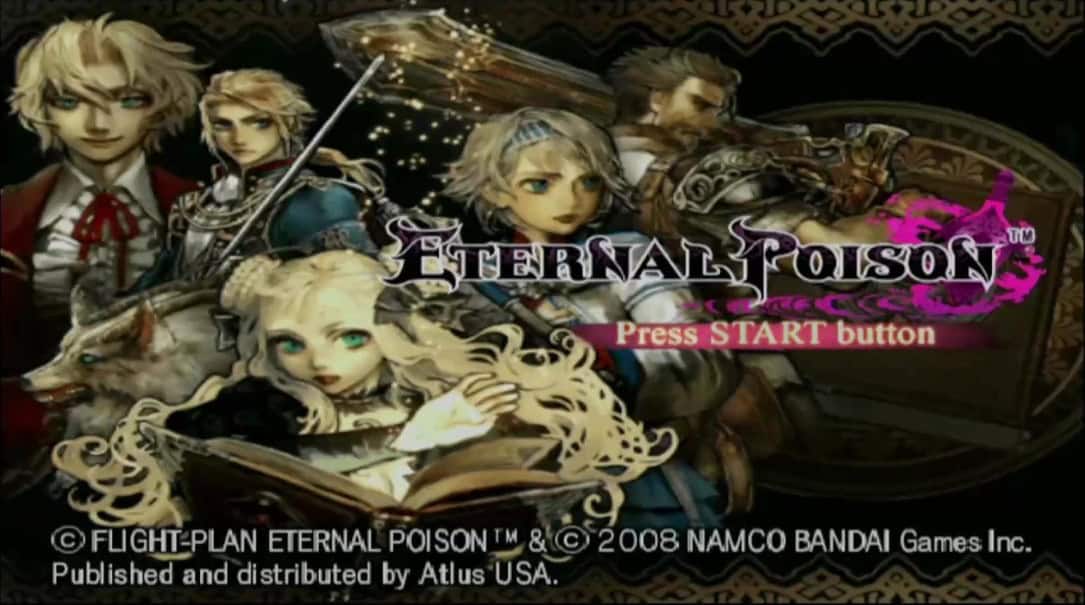
    Eternal Poison PS2 title screen

    Eternal Poison is a tactical RPG developed by Flight-Plan, the studio behind Summon Night. It came out in Japan in early 2008 as Poison Pink, and Atlus brought it to North America in November 2008.

    That timing matters. This is late-era PS2, when most publishers had already moved on to the PS3 and Xbox 360. Atlus was still doing what Atlus does best: bringing over strange, system-heavy games for the people who love that stuff.

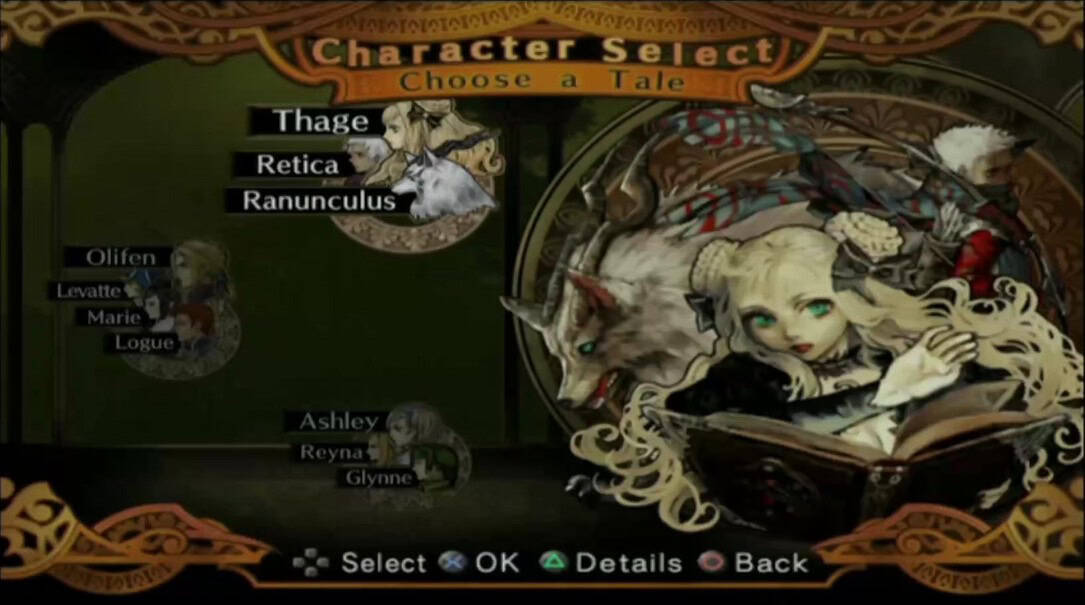
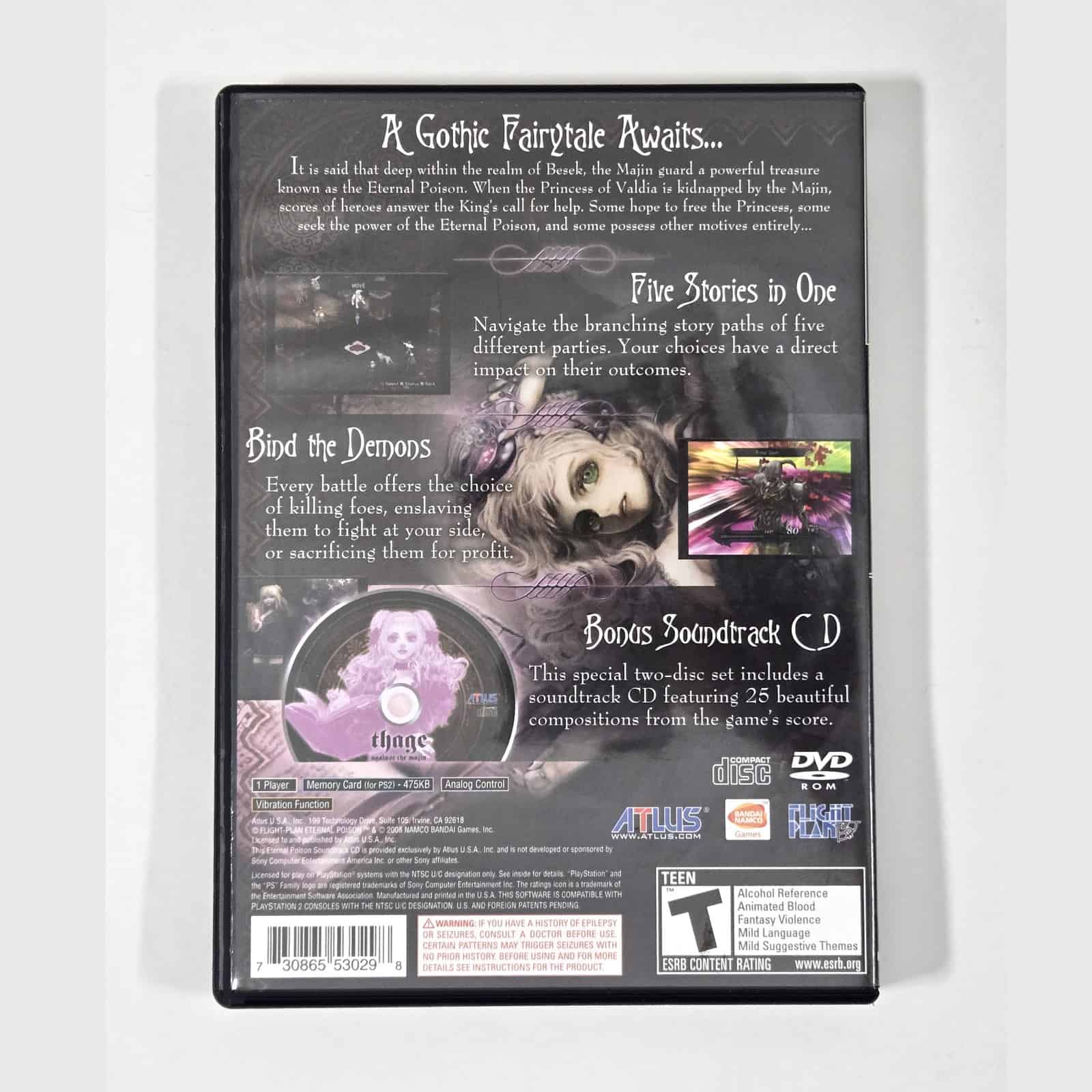
    The setup is dark fantasy. A demon realm called Besek appears and starts swallowing the kingdom, and different groups head inside for their own reasons. The back of the box calls it “five stories in one”: you pick which of five parties to follow, each with its own branching path, and not all of them are heroes.
    Eternal Poison character select screen with multiple parties

    Thage, a book, and a very bad contract

    ▶ Watch this part (2:47)

    I started with Thage, a witch who walks into Besek with a talking wolf named Ranunculus (Raki for short) and a book called the librum. Her goal is simple: “I’ll seize all the Majin. That’s why I’m in Besek.”

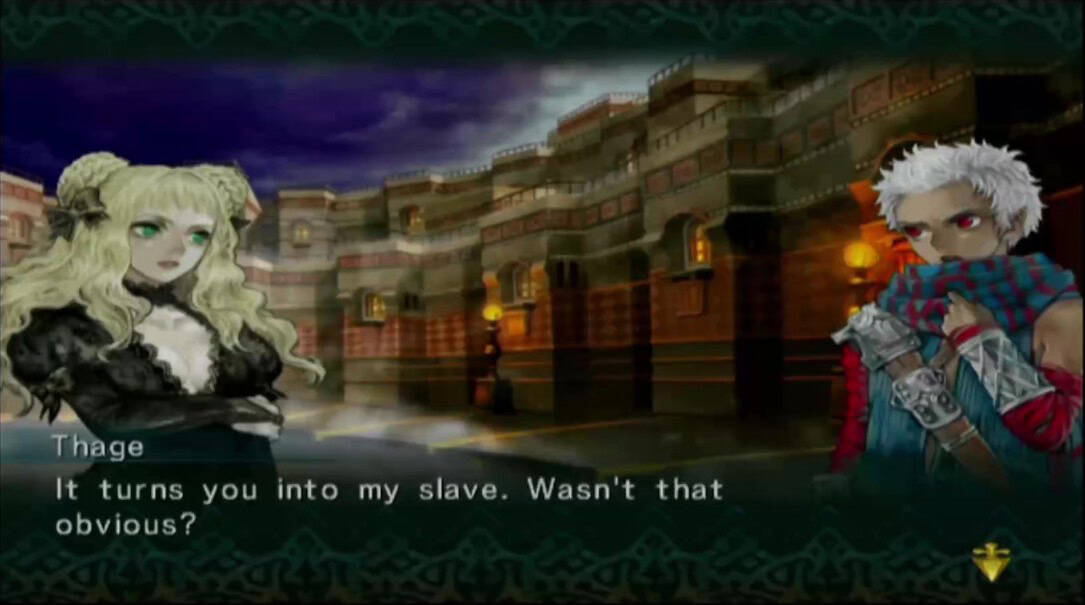
    She is not a nice person, and that’s what makes her fun. Early on she runs into a kid named Retica in the middle of a Majin attack and binds Retica with something called the Oath of Obedience. When Retica asks what that means, she answers: “It turns you into my slave. Wasn’t that obvious?”

    Thage explaining the Oath of Obedience to Retica

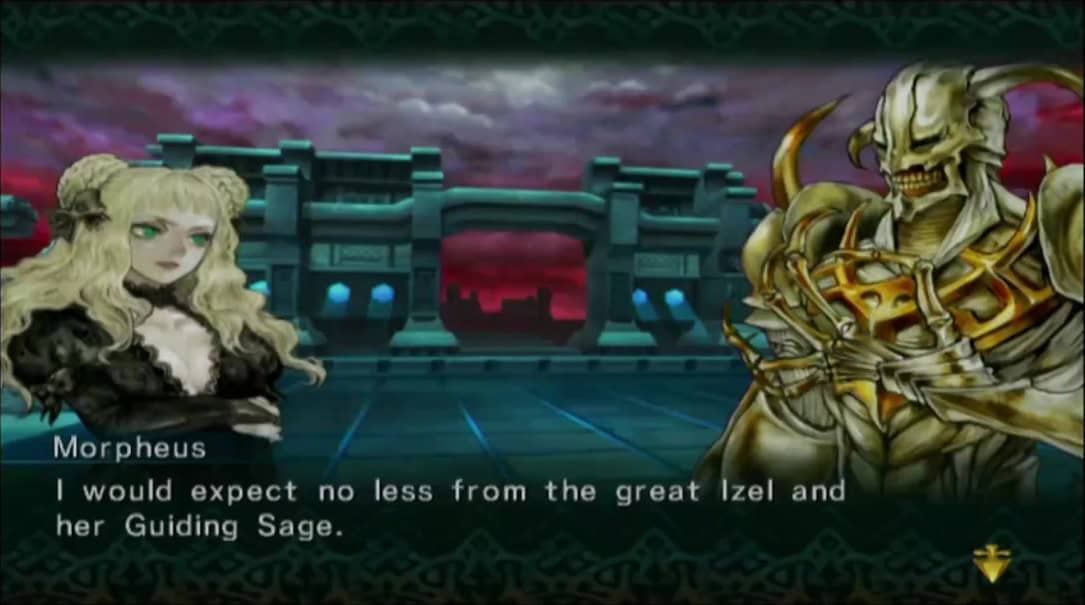
    Then there’s Morpheus, a Majin Lord in gold armor who wants Thage’s librum and keeps showing up to threaten her for it. The game is full of characters with motives, and very few chosen-one speeches.

    Thage facing the Majin Lord Morpheus in Eternal Poison

    The hook: capturing Majin

    ▶ Watch this part (4:11)

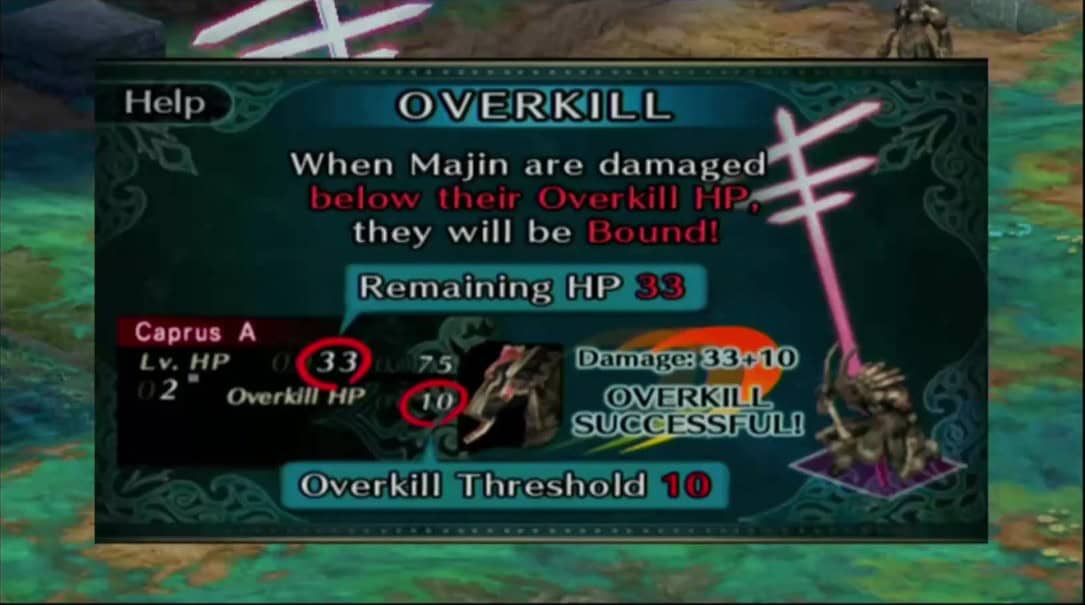
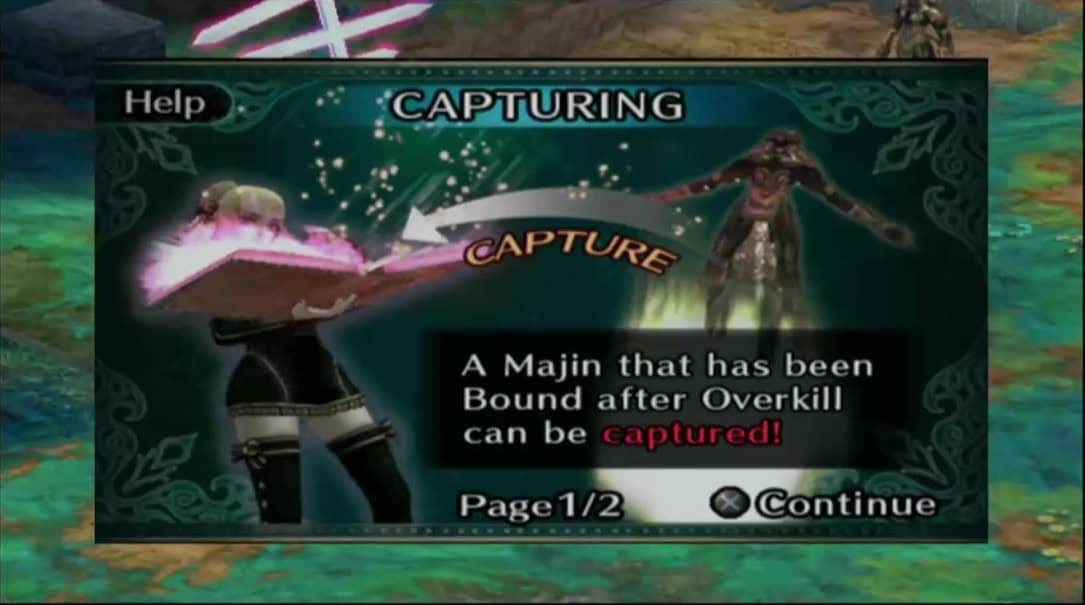
    The demons of Besek are called Majin, and catching them is the heart of the game. Here’s how it works, straight from the game’s own help screens:

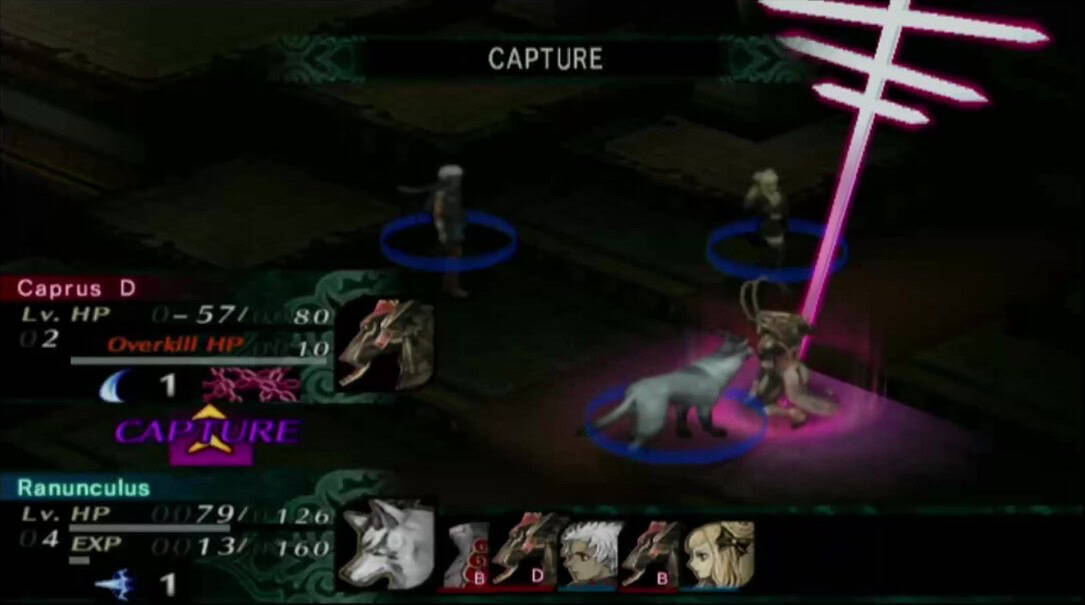
    1. Overkill: every Majin has an Overkill threshold. Hit it hard enough to drop its HP below that number, and it becomes Bound.
    2. Capture: a Bound Majin can be captured. Any party member can do it, storing the Majin in Thage’s librum.
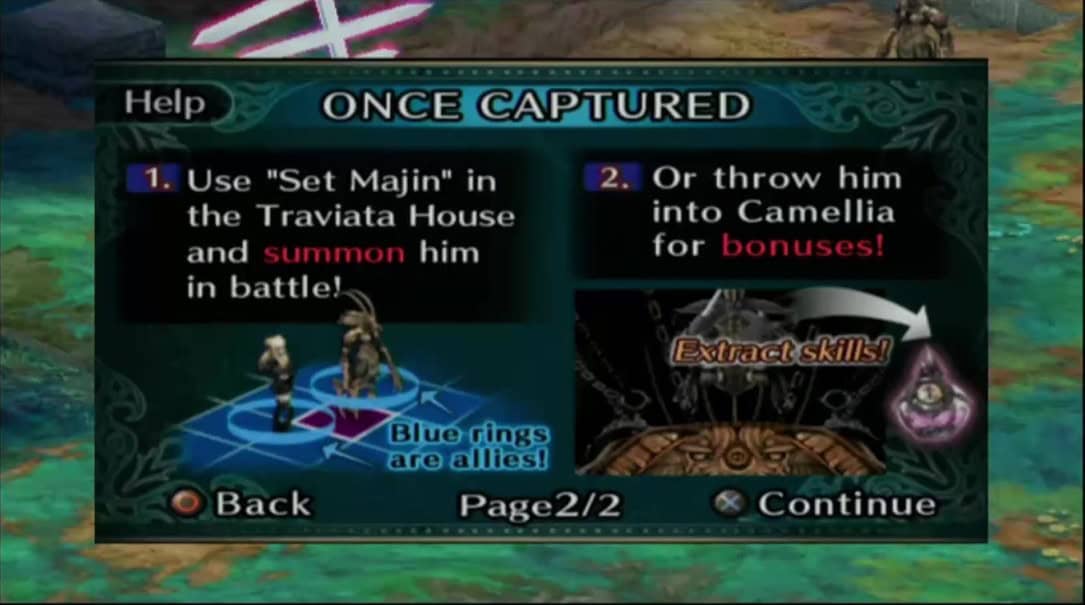
    3. Once captured, you have two choices: set the Majin and summon it to fight for you in battle, or throw it into Camellia for bonuses. More on Camellia in a second.

    This changes how you play. You can’t just hit everything as hard as possible. You want each Majin low enough to bind, but not dead. So every fight becomes “win this battle, catch the one I want, and don’t get my party smoked doing it.”

    Capturing a Bound Majin in an Eternal Poison battle

    Once I realized capturing wasn’t optional, that it was basically a second progression system, I started playing way more carefully. I’d go into fights thinking: which one do I want, and how do I get it without losing anybody?

    Camellia: the blender

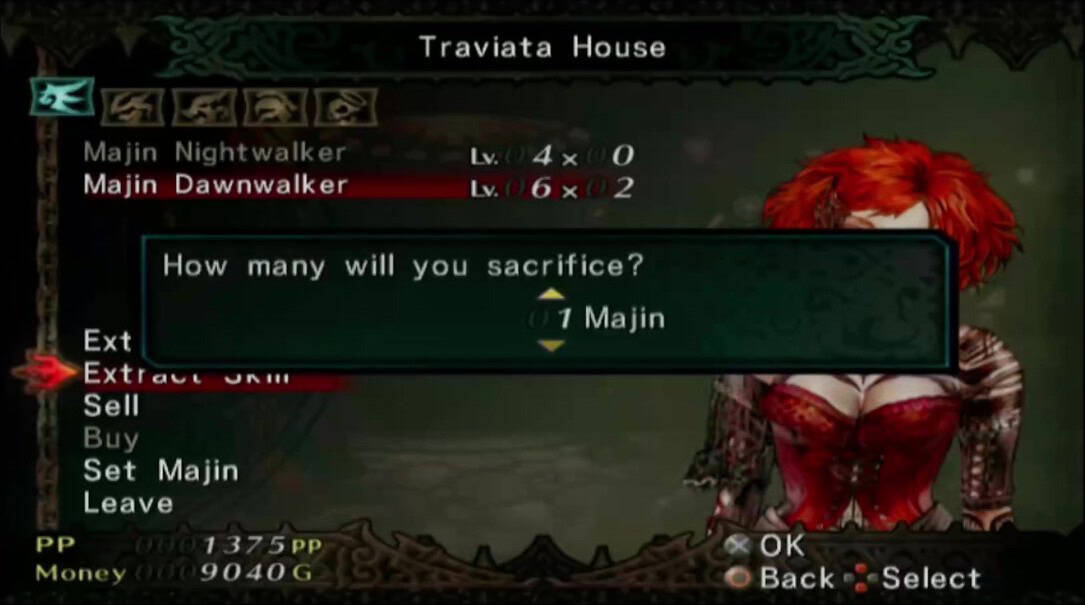
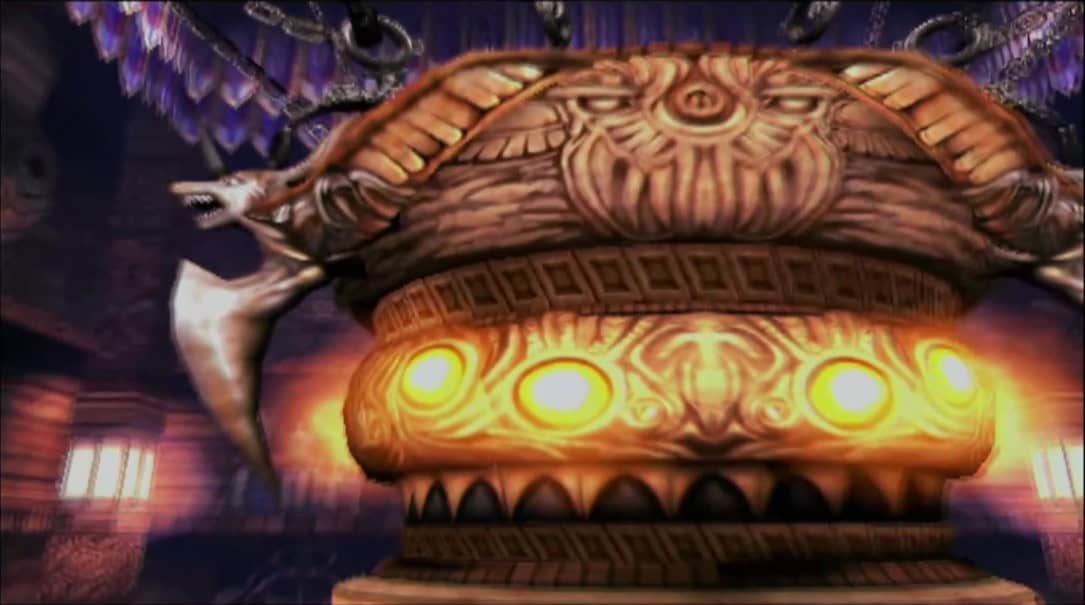
    Back in town, the Traviata House is where you manage your captured Majin. You can set them for battle, sell them, or feed them to Camellia, a giant ornate machine that turns Majin into PP and new skills. The menu literally asks, “How many will you sacrifice?”

    I call it the blender in the video, and I stand by that. You sure about that?

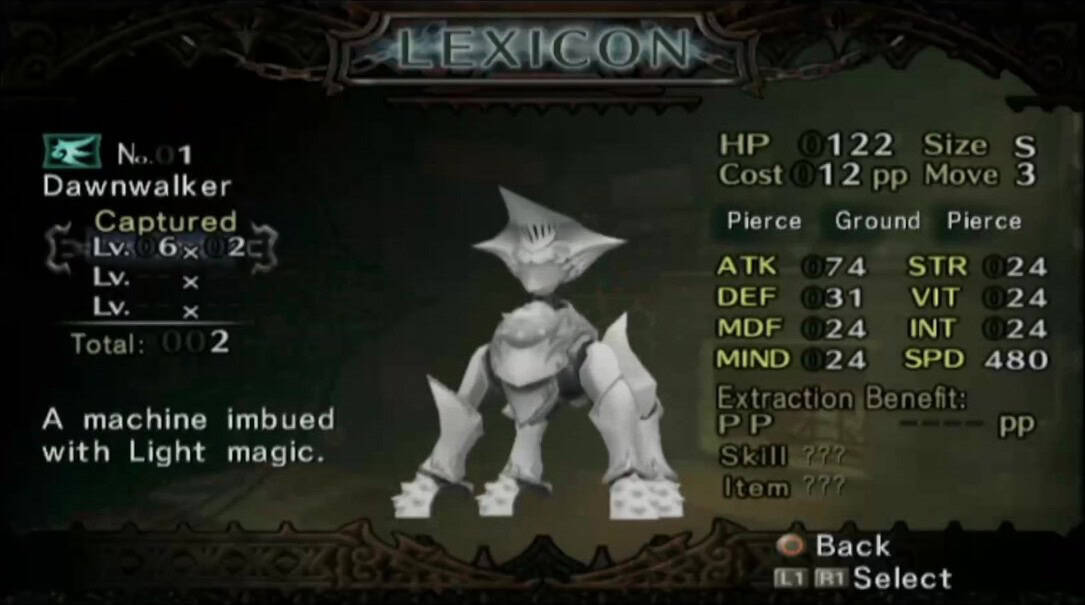
    Every Majin you catch also gets logged in the Lexicon, sorted into types like Starving, Wretched, Howling, Dreadful and Infernal, with stats and a short description for each. If you’re the kind of player who has to fill every page, it’s dangerous.

    Majin Lexicon entry for Dawnwalker

    How the battles play

    ▶ Watch this part (5:05)

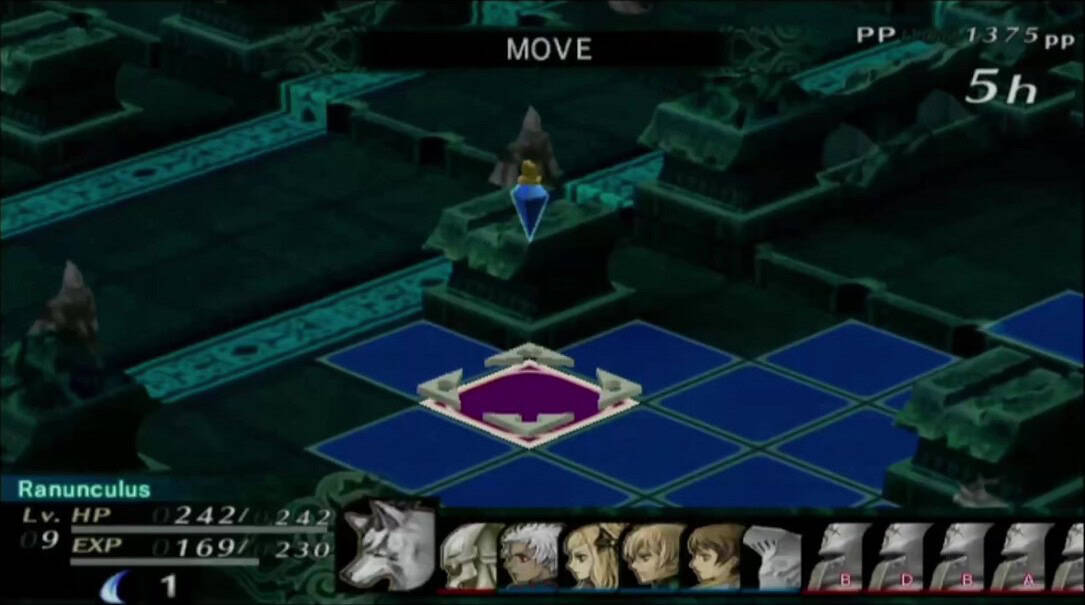
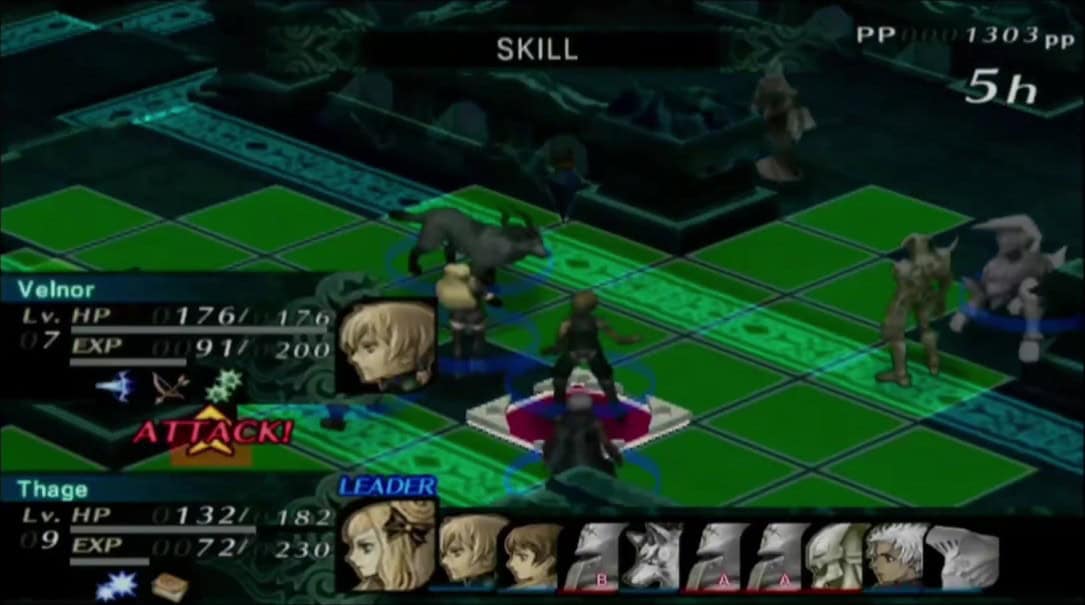
    The battles are classic tactical RPG territory: an isometric grid, movement ranges, attack ranges, and enemies that punish sloppy positioning. Charging in because your stats are higher won’t save you.

    A few systems keep it interesting:

    • Lead and Waiting: units that don’t act on their own can move and attack during your leader’s turn instead.
    • Combos: two allies can attack the same target at once for a lot more damage, which is handy when you’re trying to hit an Overkill threshold.
    • Weaknesses and resistances: every Majin has a weakness, and some are wrapped in a Demon Aura that blocks every attack until you find it.
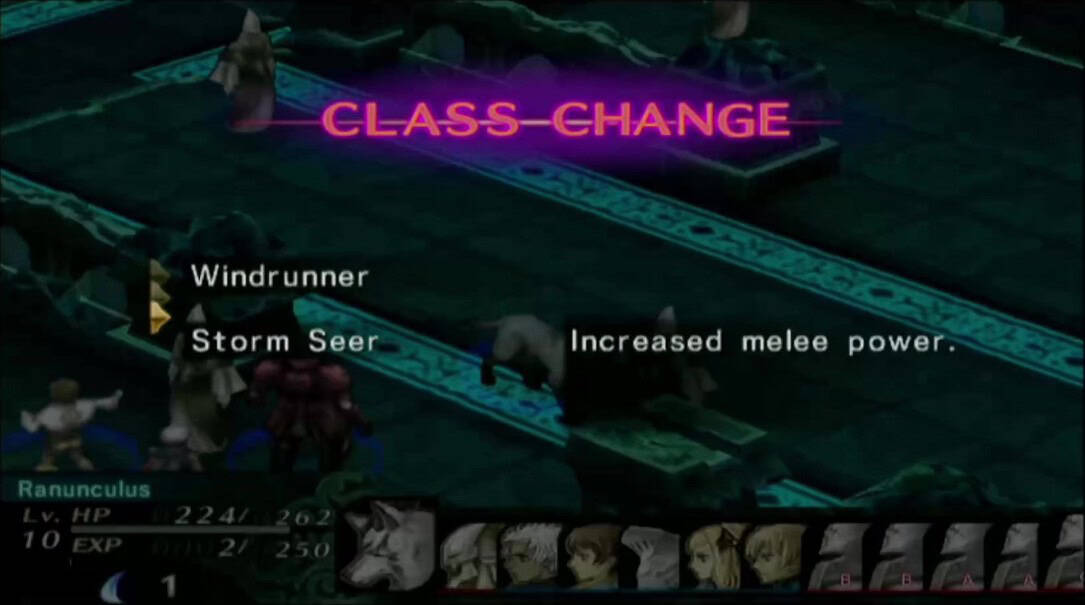
    • Class changes: characters can switch classes as they level up.
    • Lose your main character and it’s over. Protect the witch.
    Class change screen in Eternal Poison

    You won’t find a big crafting grind here. No farming materials for two hours to make one sword. The depth comes from how you fight and what you catch. It scratches the collector itch through hunting instead of crafting.

    Between battles

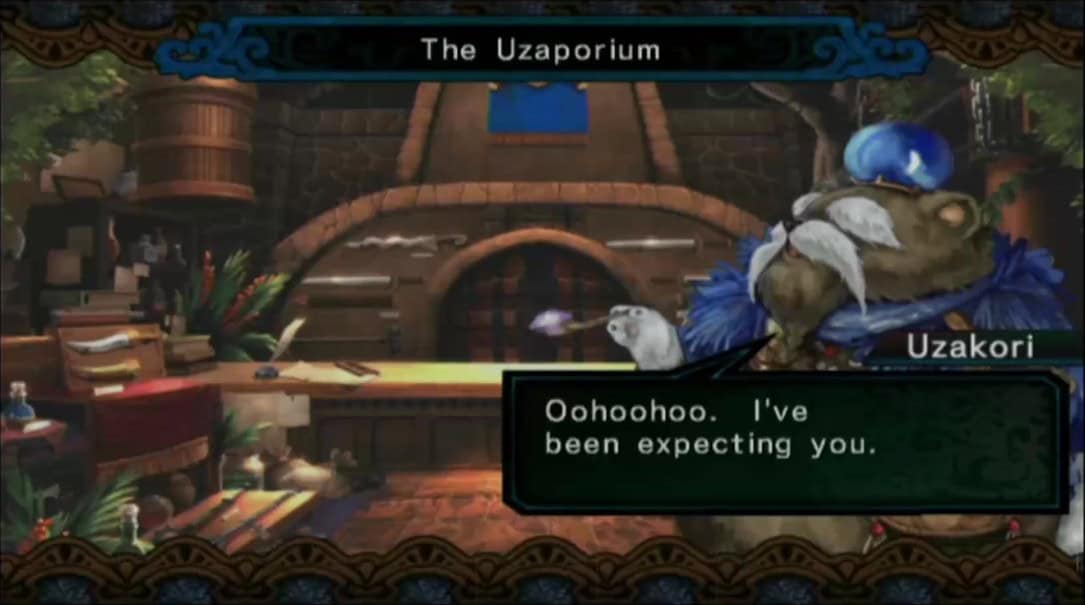
    Your home base is Twilight’s Rest, in the city of Isapolis. From there you shop, gear up, save, and talk to some memorable weirdos, like Uzakori, the frog-like merchant who runs the Uzaporium and greets you with “Oohoohoo. I’ve been expecting you.”

    Uzakori greeting the player at the Uzaporium shop

    Art and music

    ▶ Watch this part (6:59)

    Eternal Poison has a look you’ll remember, whether you love it or not. The character designs are by an illustrator who goes by Tomatika, and they feel like they’re from one very specific moment in PS2 RPG history. If the style looks familiar, Tomatika has also drawn Final Fantasy XIV characters, which have their own following online. Fans of her work still find their way back to this game and wonder why nobody talks about it. Same.

    The soundtrack, from a team that includes Takashi Okamoto, Yuki Nakagawa and Kazuma Katagiri, isn’t hero-anthem energy. It’s restrained and unsettling, more “you’re somewhere you shouldn’t be” than “go save the world.”

    Does it hold up?

    I think it still holds up today. The art style and the animations look great, and that’s a big part of the charm. After a while, though, the battle animations get repetitive and can slow things down. My move: leave them on the first time through a new area so you get the full show, then switch them off when you’re replaying areas.

    Critics were split when it came out. IGN gave it a 3.5 out of 10, and Destructoid gave it an 8. That gap tells you a lot. If you want a polished, mainstream strategy game, this might not be it. If you like games that are a little strange but clearly made on purpose, it’s exactly your thing.

    Collecting Eternal Poison

    ▶ Watch this part (8:16)

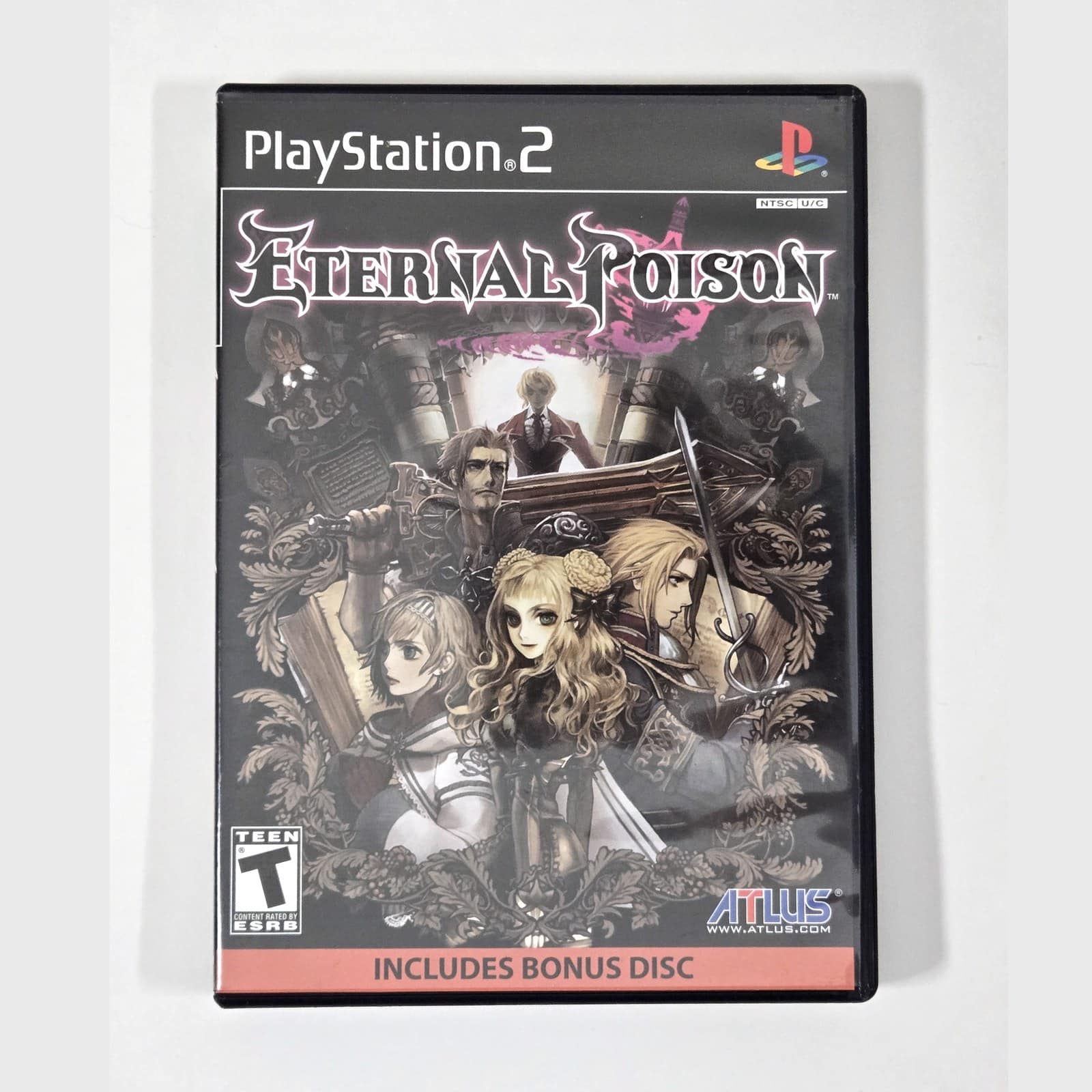
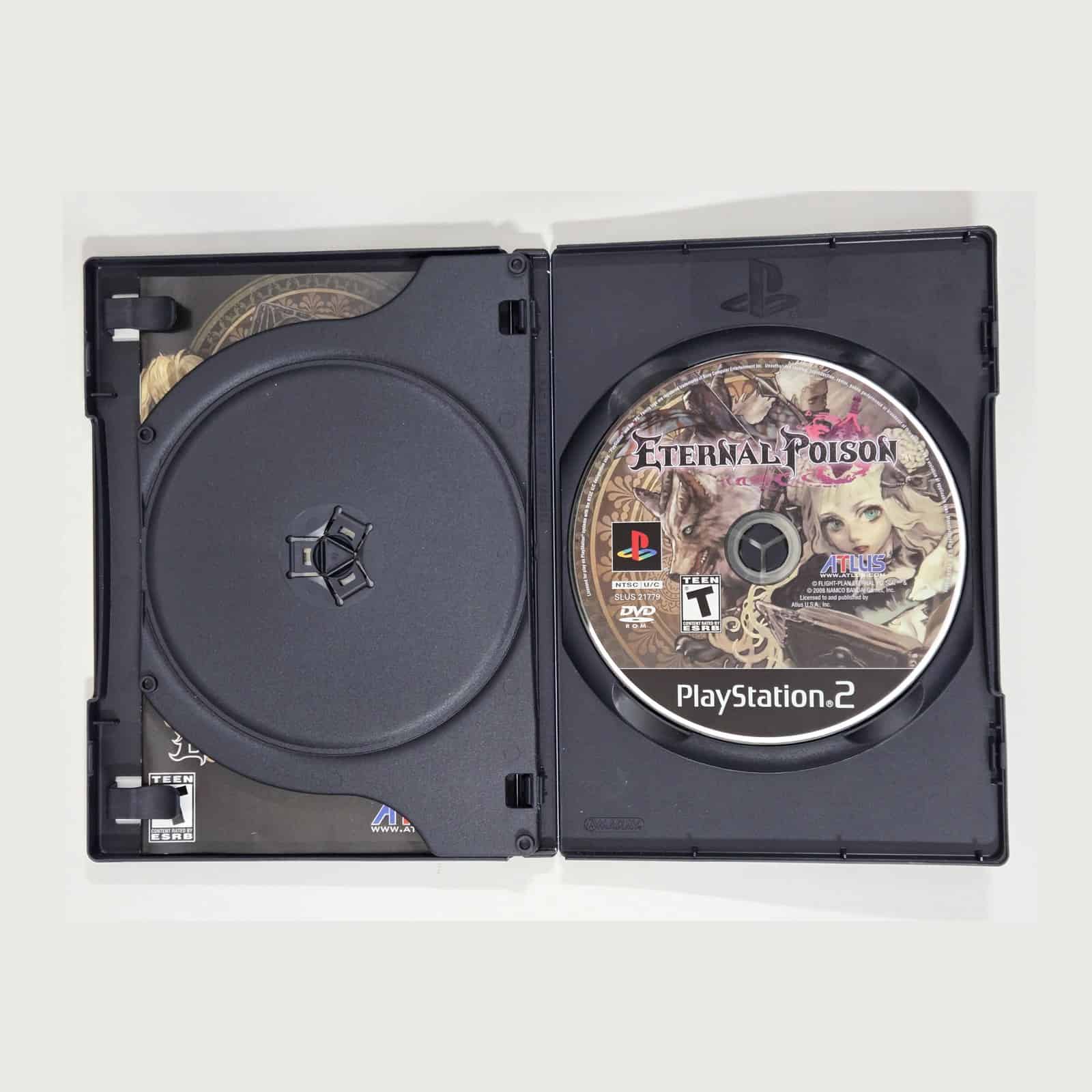
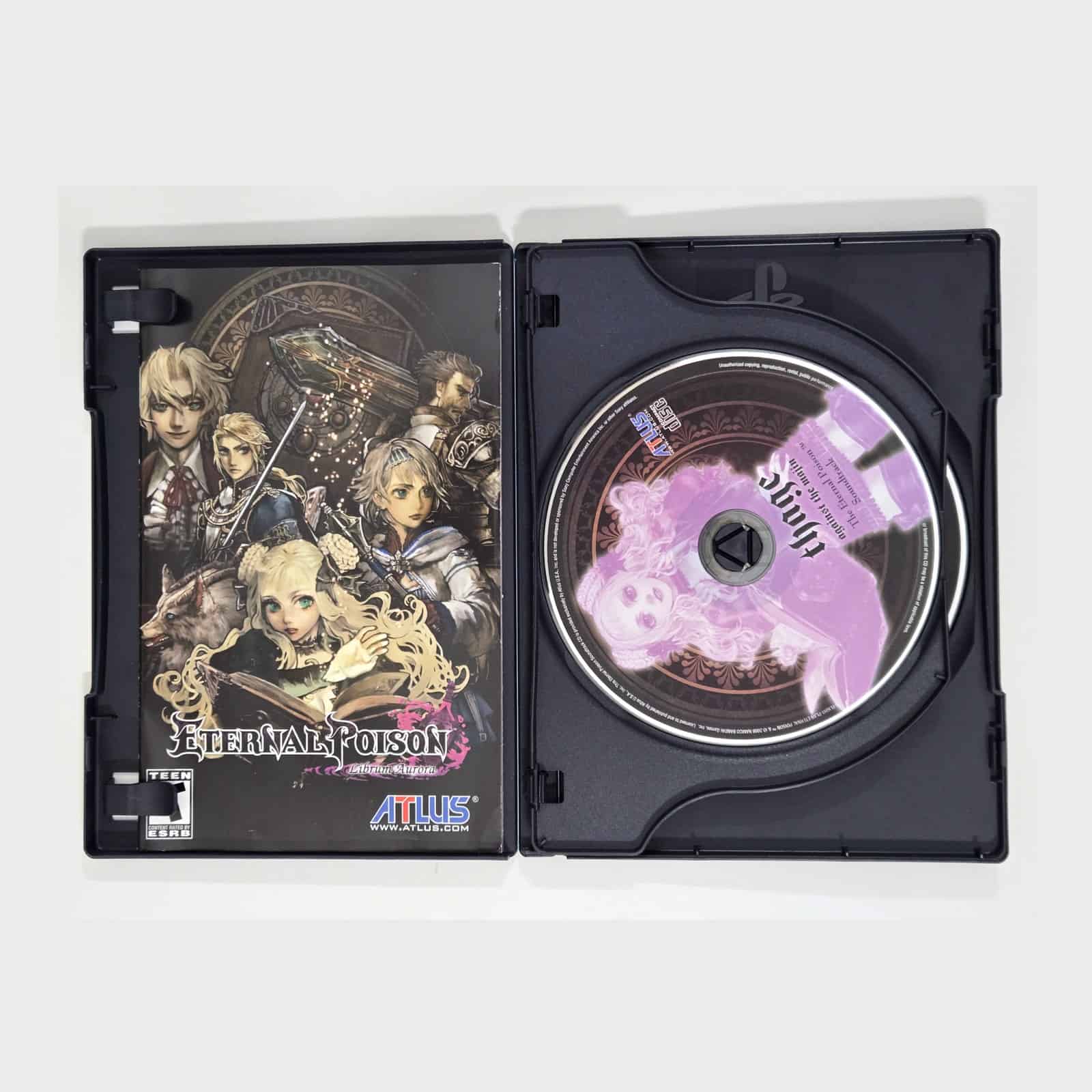
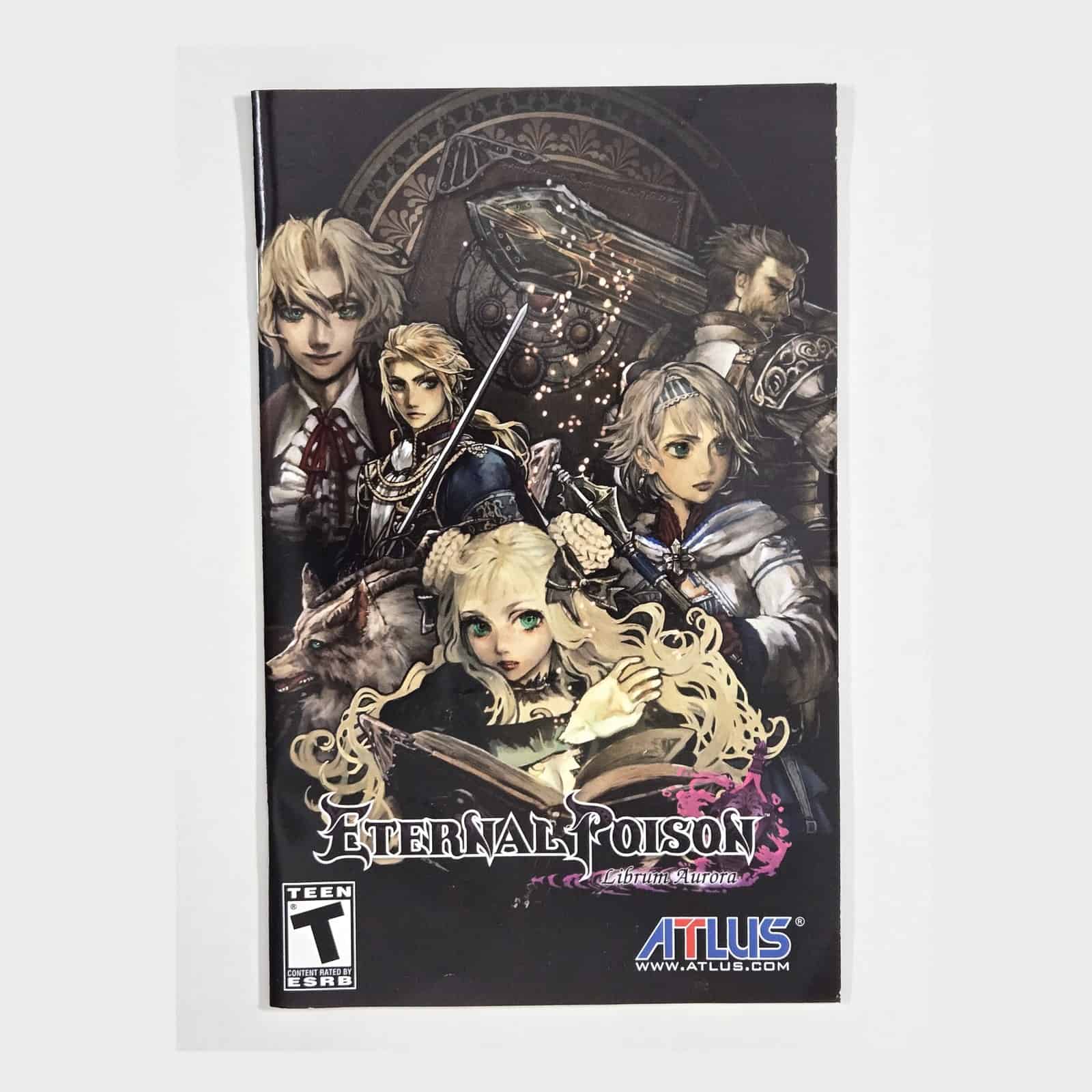
    Here’s what matters if you’re hunting for a copy. The North American release came packed with a soundtrack CD. So a complete-in-box (CIB) copy is the case, the game disc, the soundtrack disc, and the manual. Plenty of loose copies and “complete” listings are missing that second disc, so check the photos before you buy.

    My copy is the full set, soundtrack CD and all, which made me very happy. And it’s in great condition still. I’ve taken very good care of this game.

    Dark fantasy, Atlus on the spine, a mechanic nobody else was doing, and a presentation that looks PS2-weird in the best way. That’s the kind of game that tends to age well on a shelf. It’s also the kind of game where someone pulls it off your shelf and goes, “Wait, what is that?”

    Want one for your shelf? Check Eternal Poison on eBay, and look for listings that show both discs.

    If you’re new to PS2 collecting, my PS2 Beginner’s Guide covers how to get set up cheap. And if La Pucelle: Tactics from that list clicked for you, Eternal Poison is a natural next step.

    Join r/EternalPoison

    I also run r/EternalPoison on Reddit. It’s quiet, but if you’ve played it, or you’re about to, come say hi.

    Eternal Poison FAQ

    Who made Eternal Poison? Flight-Plan developed it. Banpresto published it in Japan as Poison Pink in 2008, and Atlus published it in North America in November 2008.

    Is Eternal Poison a PS2 exclusive? Yes. It only came out on the PlayStation 2, with no remaster or port.

    What are Majin in Eternal Poison? Majin are the demons of Besek. You capture them in battle, then either summon them to fight for you or throw them into a machine called Camellia for PP and new skills.

    How do you capture Majin in Eternal Poison? Drop a Majin’s HP below its Overkill threshold so it becomes Bound, then use the capture command. Any party member can capture, and the Majin is stored in Thage’s librum.

    What comes in a complete copy of Eternal Poison? The North American release includes the game disc, a soundtrack CD, the manual, and the case. Check listings for the soundtrack disc, since it often goes missing.

    Is Eternal Poison hard? It can be. Sloppy positioning gets punished, and trying to capture Majin means keeping dangerous enemies alive longer on purpose.

    The verdict

    ▶ Watch this part (8:45)

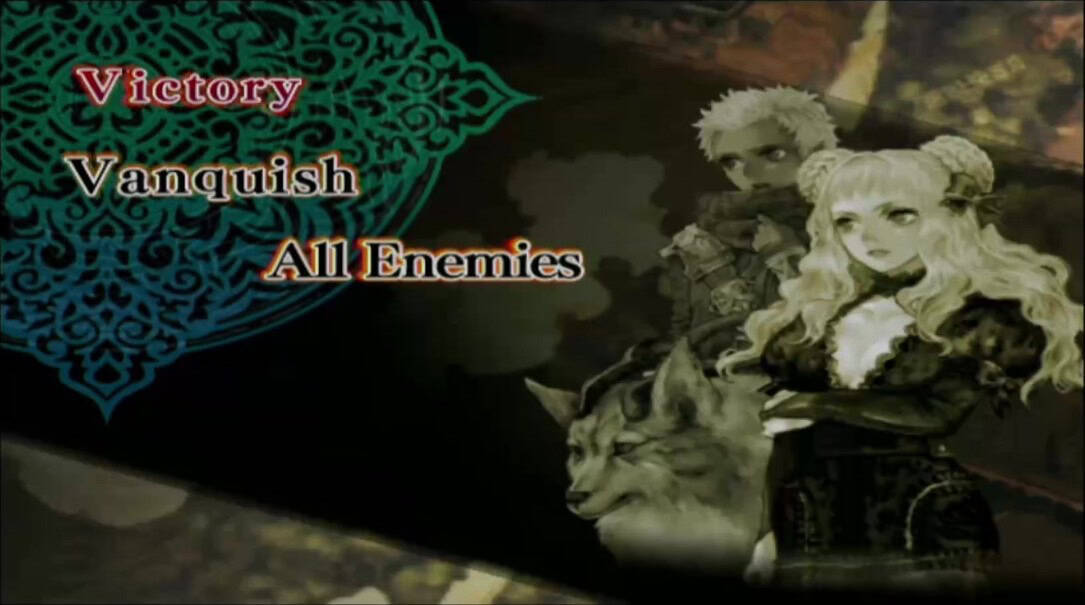
    Eternal Poison victory screen: Vanquish All Enemies

    Eternal Poison isn’t just a tactical RPG. It’s a tactical RPG with a capture system that changes how you think about every fight. It rewards patience, it rewards planning, and it rewards the kind of player who likes things slightly strange. If you’re digging through the PS2 library for something that doesn’t feel like every other strategy game, put this one on your list.

    You stay frosty.