
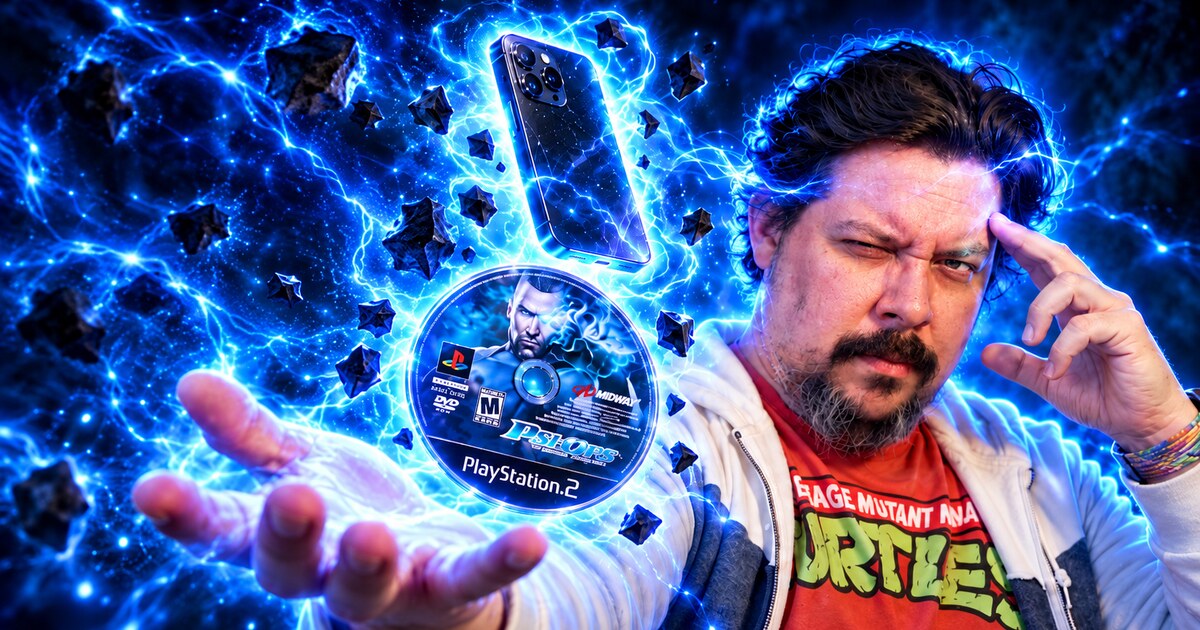
Have you ever been on the couch, really wanting a peanut butter and jelly sandwich, and just not felt like getting up? Same. Every time it happens, I think the exact same thing: man, telekinesis would be really useful right now. I don’t have telekinesis. Nick Scryer does. In Psi-Ops: The Mindgate Conspiracy, instead of making sandwiches, he uses it to pick people up, slam them into walls, throw them off ledges and launch crates across rooms. It’s a PlayStation 2 (PS2) game from 2004, and it’s freaking awesome.
Psi-Ops is one of those PS2 games that never comes up when people list the greats, and that’s exactly why I wanted to cover it. It hands you a stack of psychic powers and a real physics engine, then trusts you to figure out the rest. More than 20 years later, I’m still finding new dumb things to try.
This post contains affiliate links. If you buy through them, I may earn a small commission at no extra cost to you.
What is Psi-Ops: The Mindgate Conspiracy?
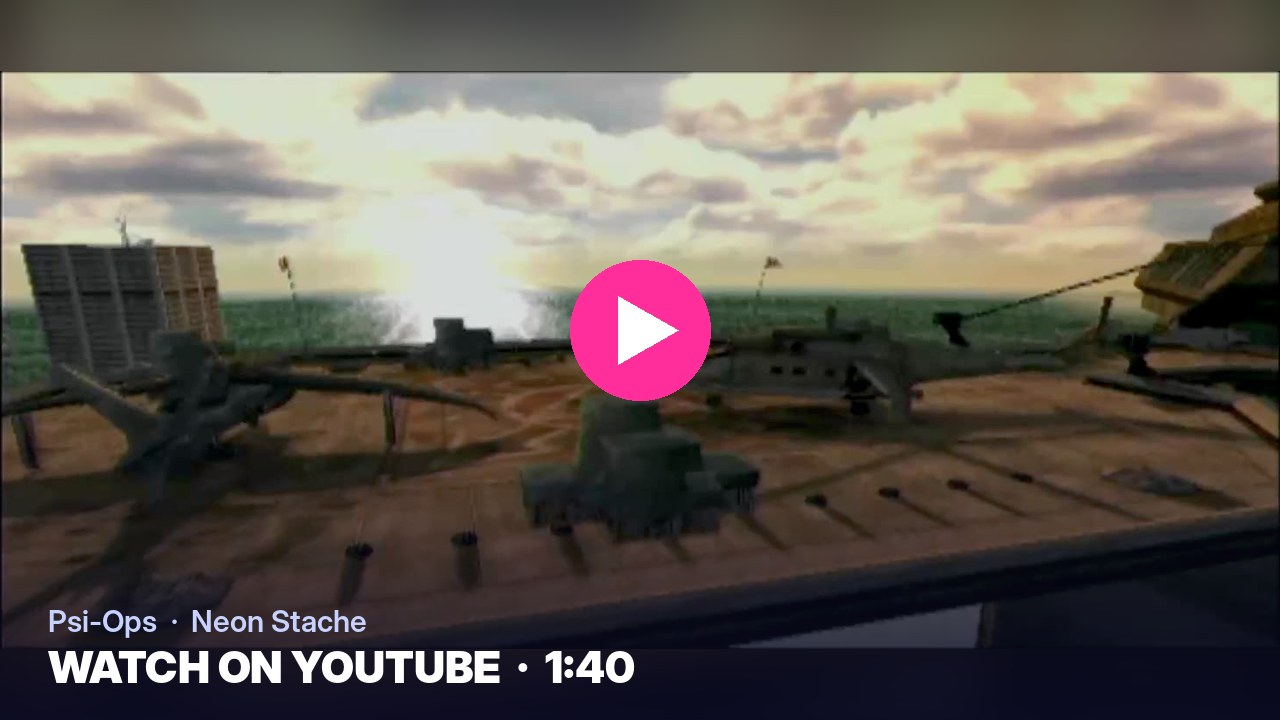
Psi-Ops: The Mindgate Conspiracy is a third-person action game developed and published by Midway, released in North America on June 14, 2004 for PS2 and Xbox. You play Nick Scryer, a psychic soldier who builds up six powers, from telekinesis to pyrokinesis, all running on Havok physics.
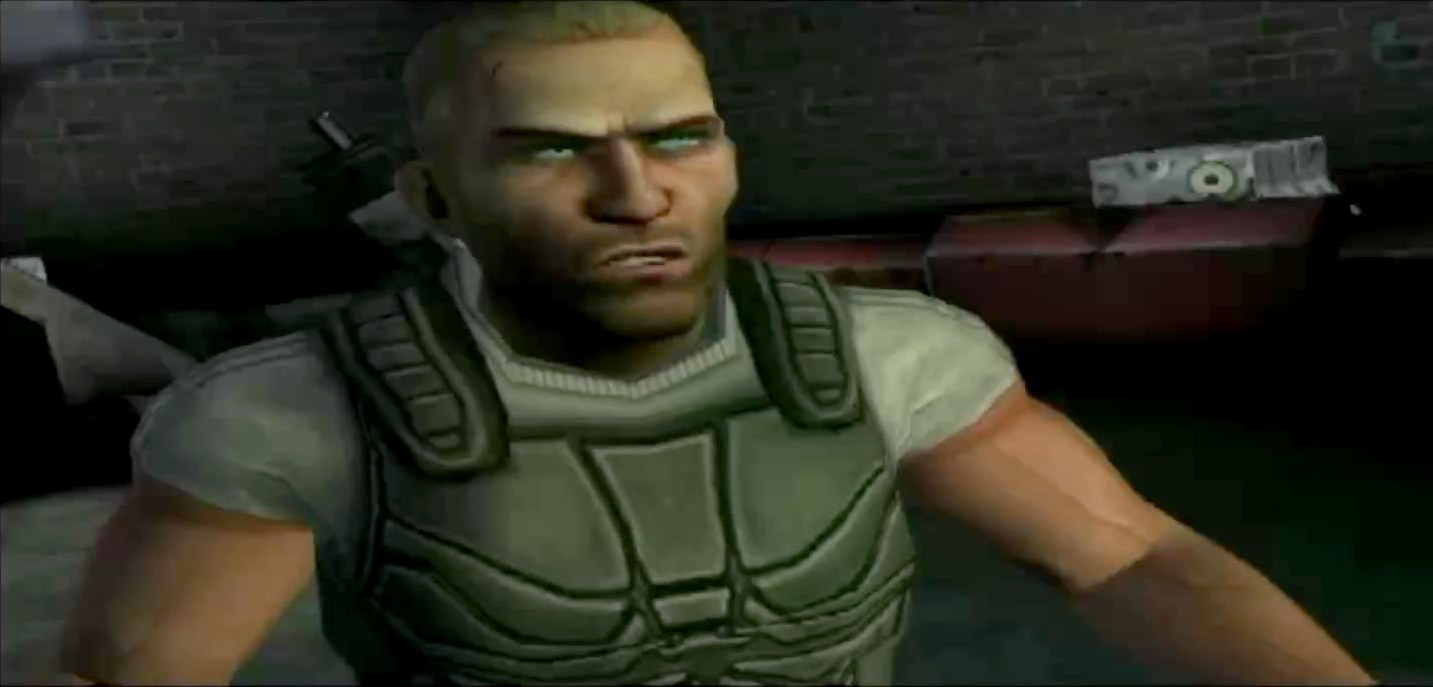
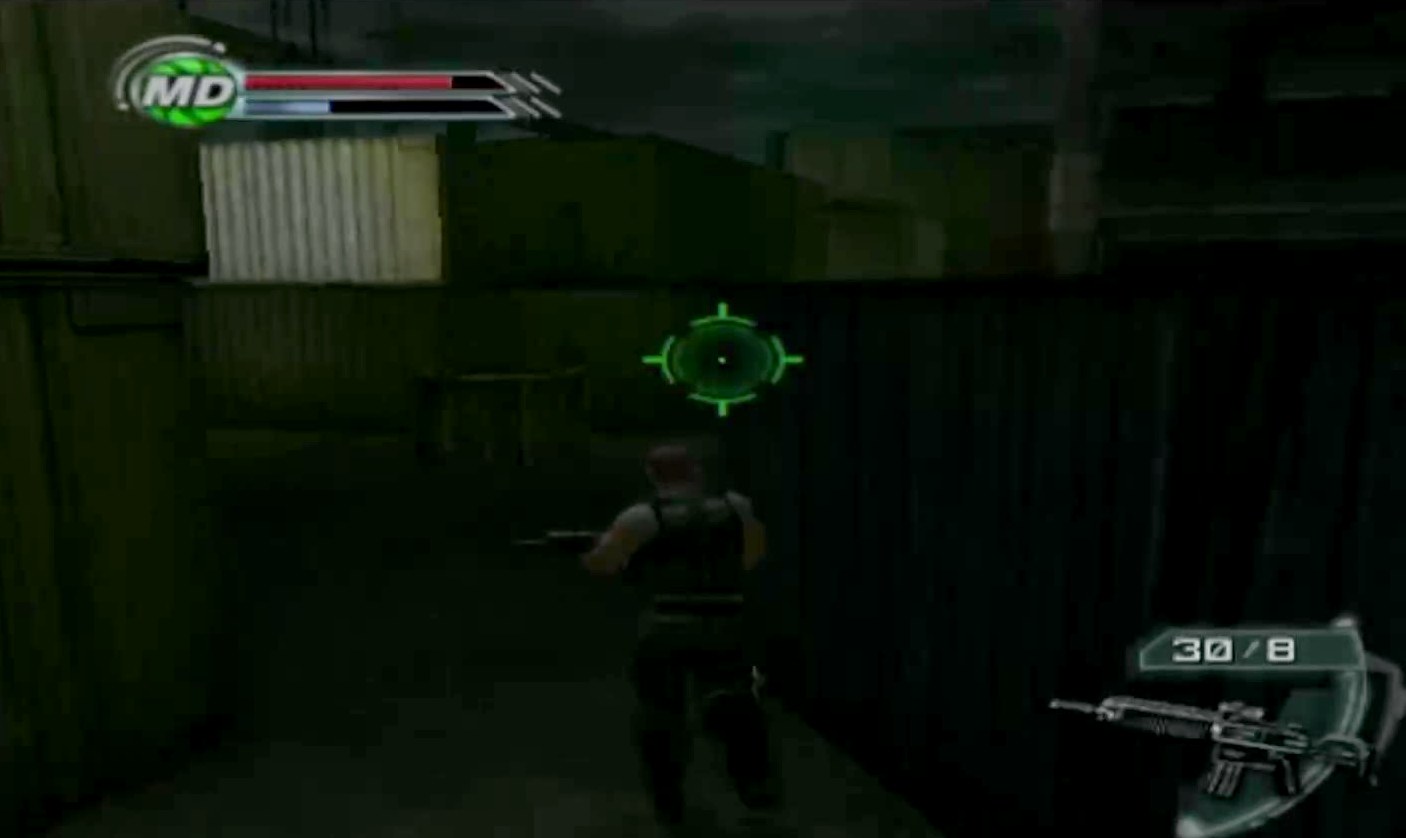
At first glance, it looks like every other action game from that era. You’ve got guns, military bases, a terrorist organization, stealth, cover, and a hero who looks like he probably hasn’t smiled since 1997. Pretty standard stuff. Then the game gives you telekinesis, and suddenly you don’t care about your gun anymore.
The setup: Nick is a Mindgate agent sent undercover into The Movement, a group of former Mindgate psychics led by a man called The General. To get him past their psychic screening, his memory was wiped and his abilities were suppressed. As his memories come back, so do his powers, which is a slick excuse for the game to hand them to you one at a time.
Fun one: early in development, Nick wasn’t Nick Scryer. He was Nick Geller, a nod to the famous spoon-bender Uri Geller.
The six psychic powers in Psi-Ops
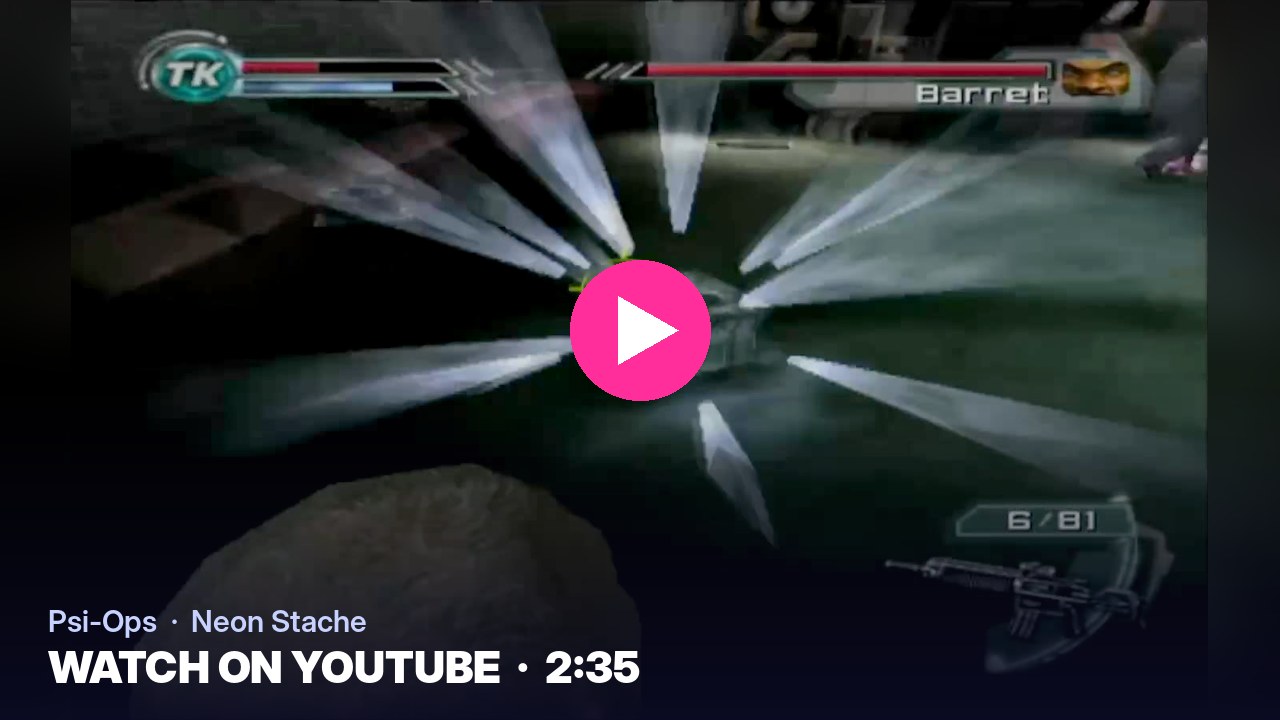
Over the course of the game, Nick picks up six abilities:
- Telekinesis: lift and throw objects, and people.
- Remote Viewing: leave your body and scout ahead.
- Mind Drain: pull psi energy out of enemies to refill your own.
- Mind Control: take over an enemy and walk around as him.
- Pyrokinesis: start fires with your mind.
- Aura View: see hidden things that normal eyes can’t.
They all have their uses. But let’s not kid ourselves. Telekinesis is the star of the show.
Telekinesis and the Havok physics
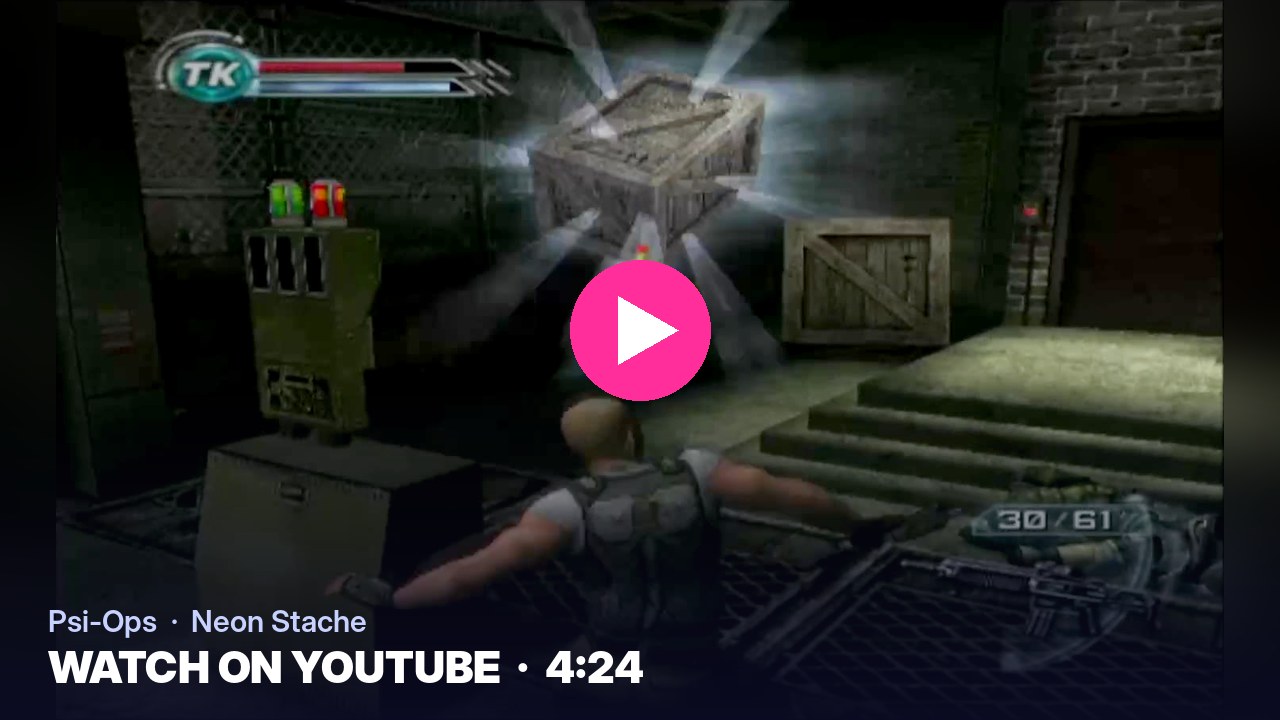
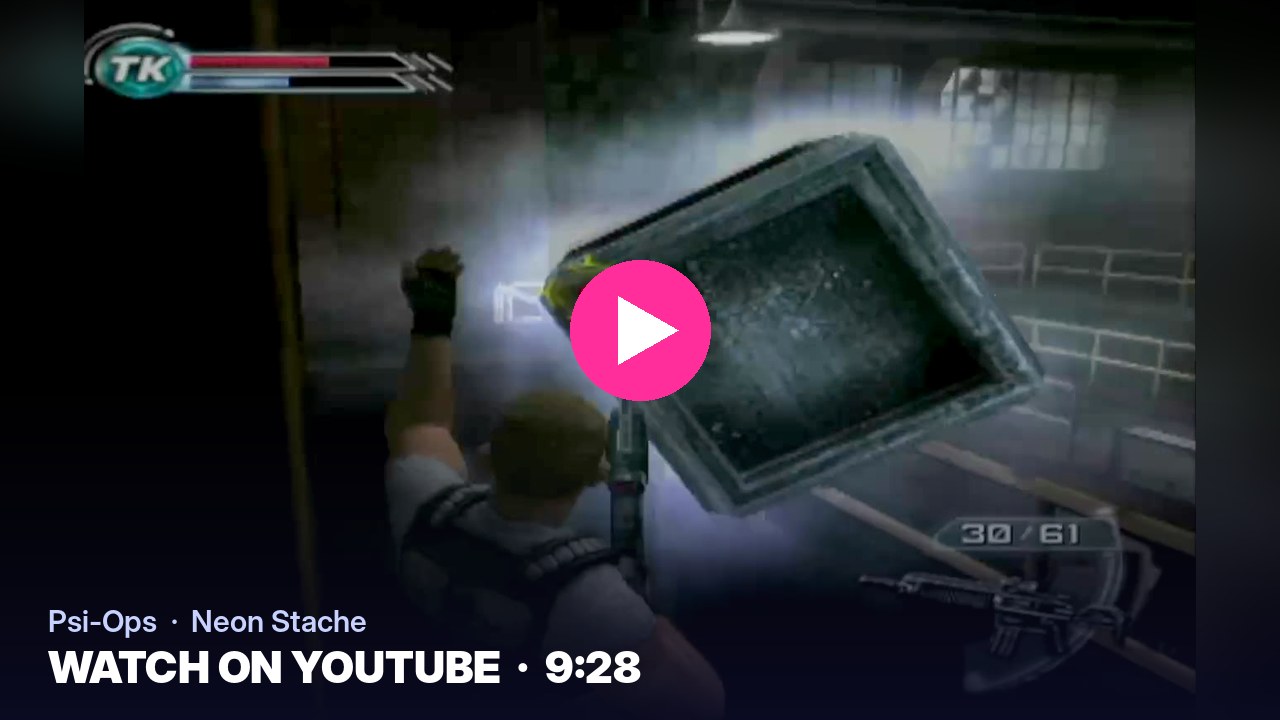
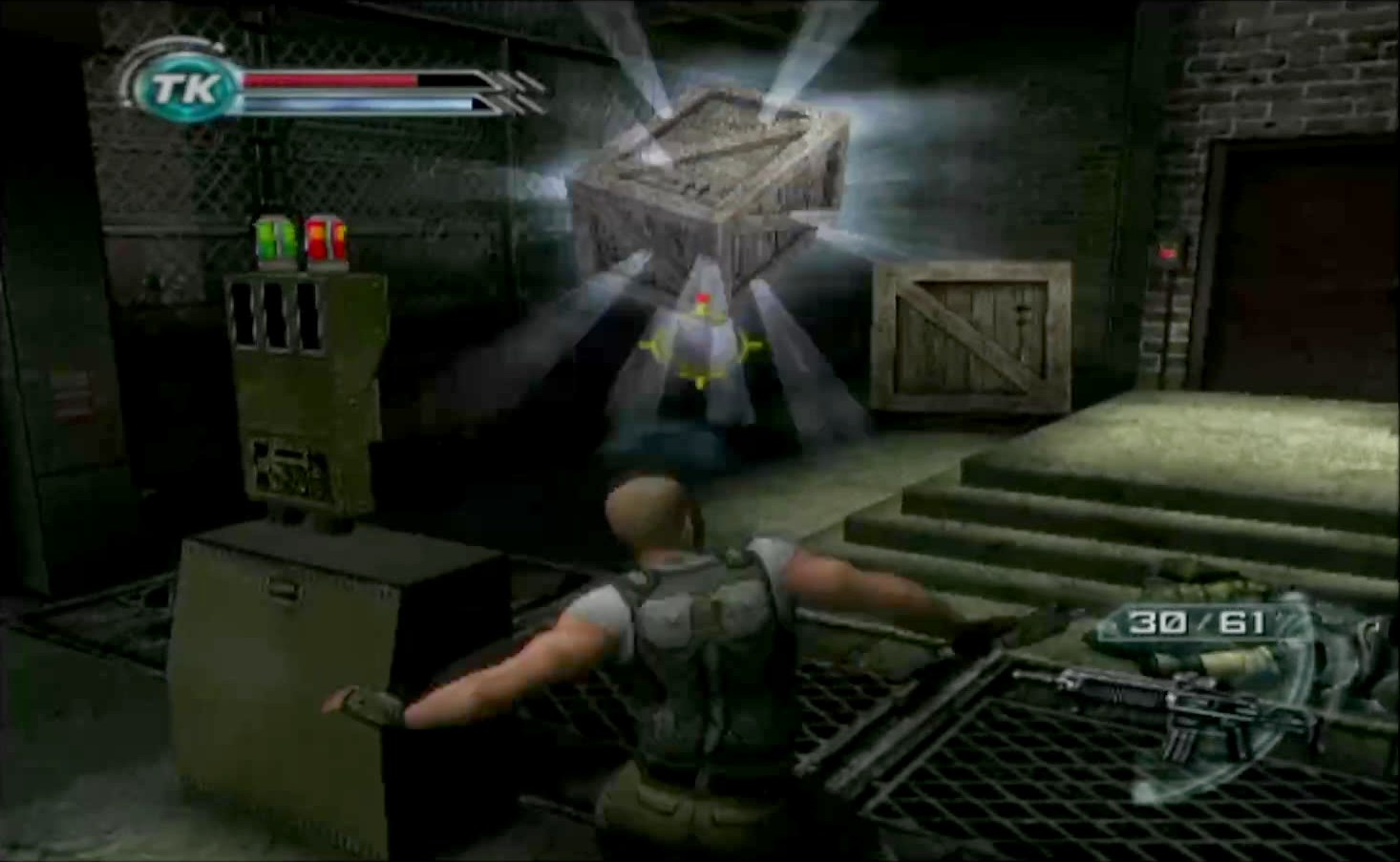
See that crate? Pick it up with your mind and throw it at somebody. See that guy? Pick him up with your mind and throw him at somebody. Or into a wall. Or off a ledge. Or into something that’s probably, most likely, explosive.
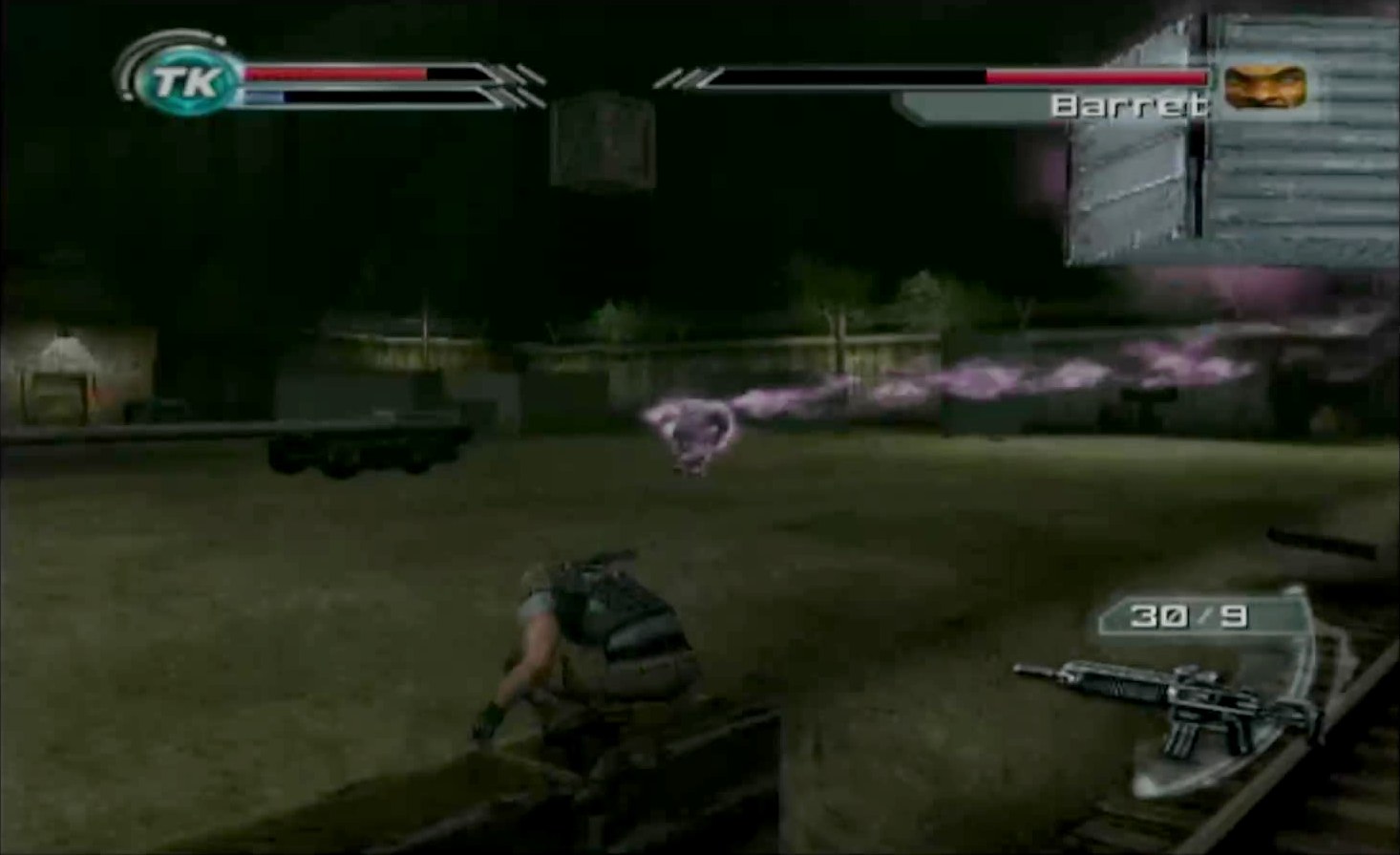
The game doesn’t tell you exactly how to use any of this. It gives you the powers, a legit physics engine and a room full of enemies, then basically says: you figure it out. There’s something incredibly satisfying about lifting an enemy completely off the ground and watching him flail around while you decide what to do with him.
And it’s not a canned animation. The physics react to what’s happening around you. Bodies hit walls. Objects collide with enemies. Enemies collide with other enemies. Stuff falls over, things go flying, and that unpredictability is a big part of why the game is still fun.
Midway built Psi-Ops around that idea. The game runs on Havok physics, and the team wanted the powers and the physics to work together as real gameplay. During development they built a simple sandbox room full of enemies and objects just to experiment with the powers, and it was fun enough that they kept it as bonus content. Makes complete sense to me. Give me an empty room, three guards, a few crates and telekinesis, and I’ll entertain myself way longer than any responsible adult should.
More than throwing people
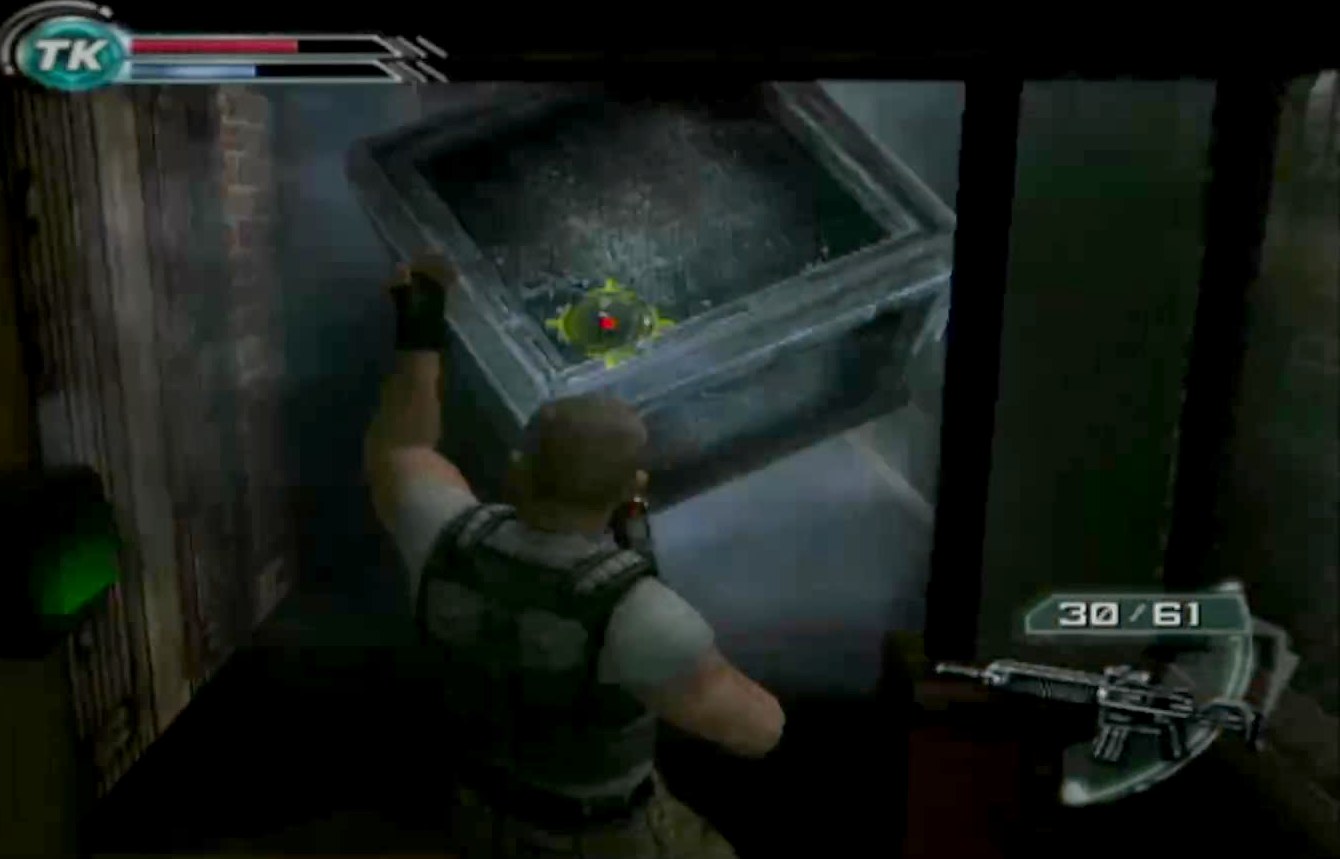
Telekinesis isn’t only for throwing people, either. You can move objects to solve puzzles, use the environment as a weapon, and pull health kits or ammo down from up high. You can even use telekinesis on an object while you’re standing on it, which means with a little creativity, Nick can move himself around. That’s the magic of Psi-Ops: you keep asking “can I do this?” and surprisingly often, the answer is yes.
Remote Viewing, Mind Drain and Mind Control
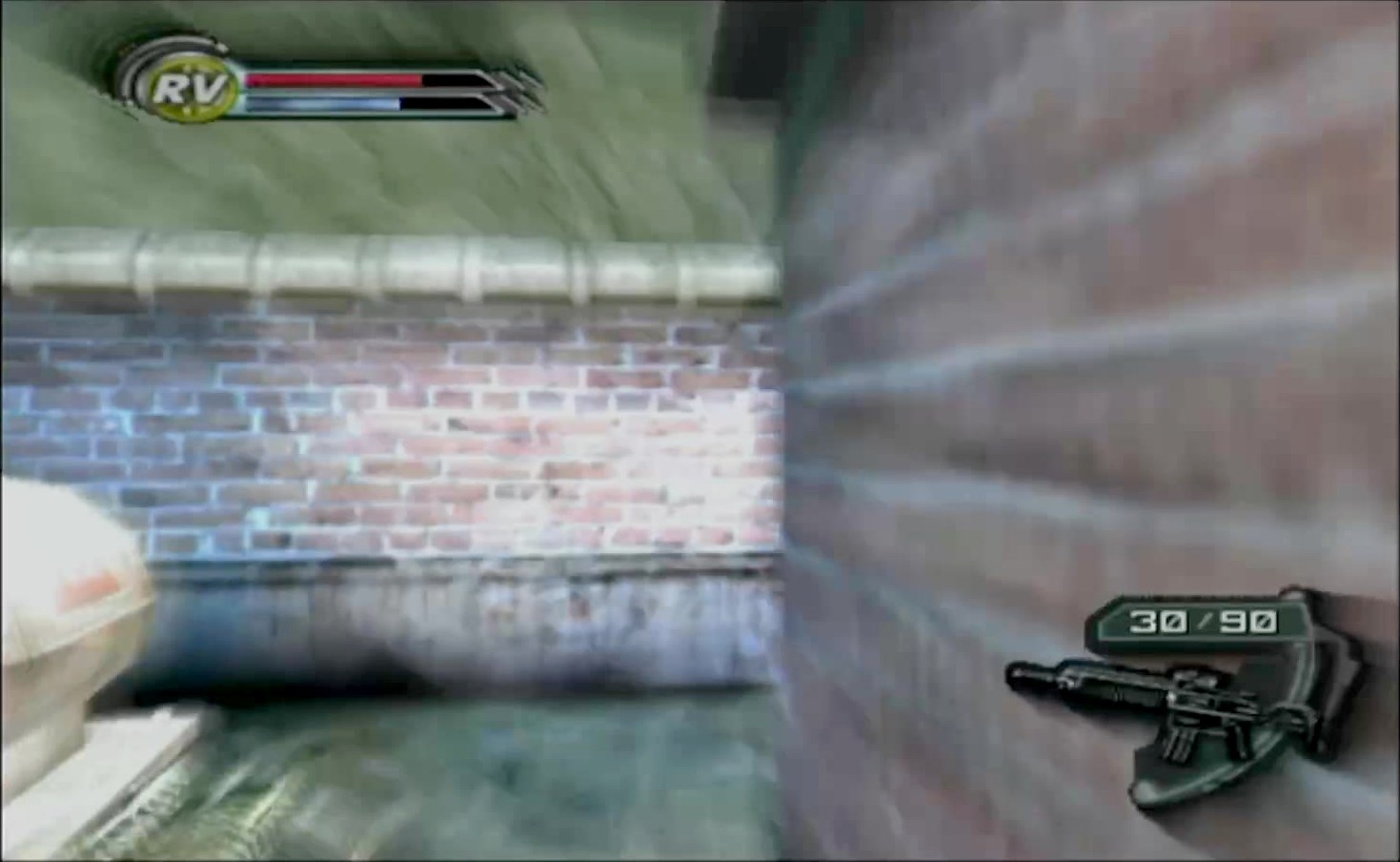
Remote Viewing lets Nick leave his body and scout ahead without walking into the room himself. You can look through rooms, find enemies, figure out what’s waiting for you, and sometimes pick up information you couldn’t reach on foot.
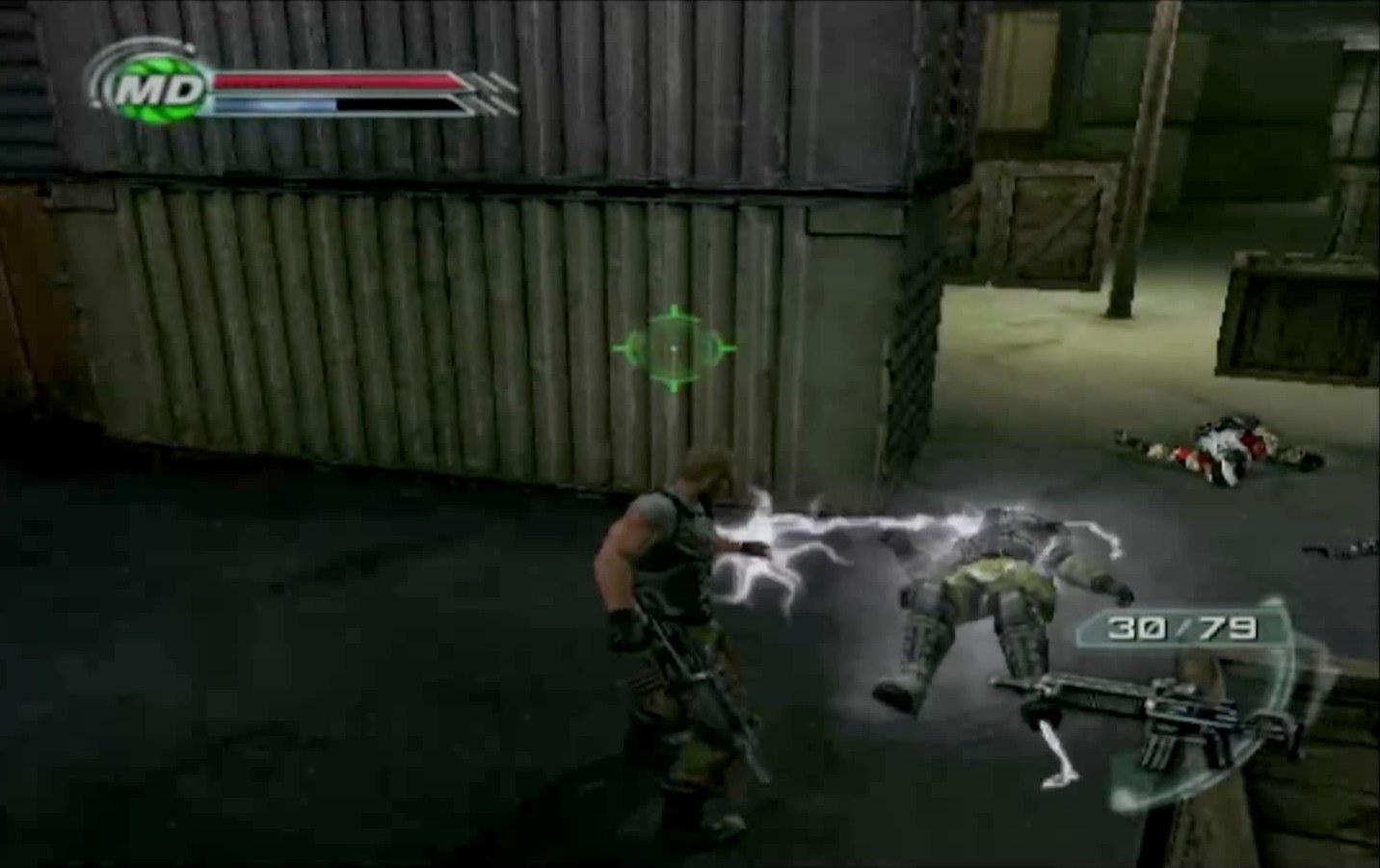
Mind Drain is a little less socially acceptable. You drain psi energy directly from an enemy to refill your own. And if you use it on a living enemy, let’s just say the procedure doesn’t end well for the patient. Yeah. Their head explodes.
Mind Control is another one of my favorites. You take over an enemy, walk around as him, use his weapons, attack his own buddies, and use him to get into spots Nick couldn’t safely reach. Think about how ridiculous that is for a game from 2004. You aren’t just stunning an enemy. You’re temporarily becoming him, and he turns into another tool in your toolbox.
Pyrokinesis and Aura View
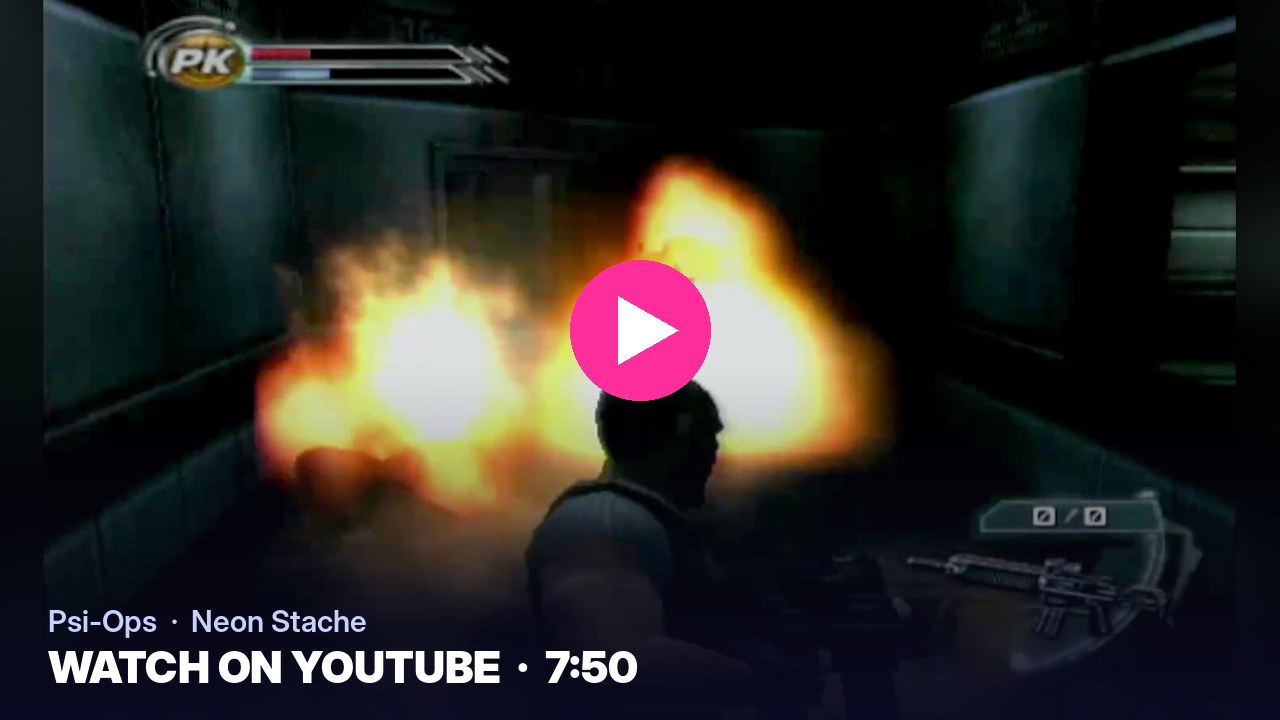
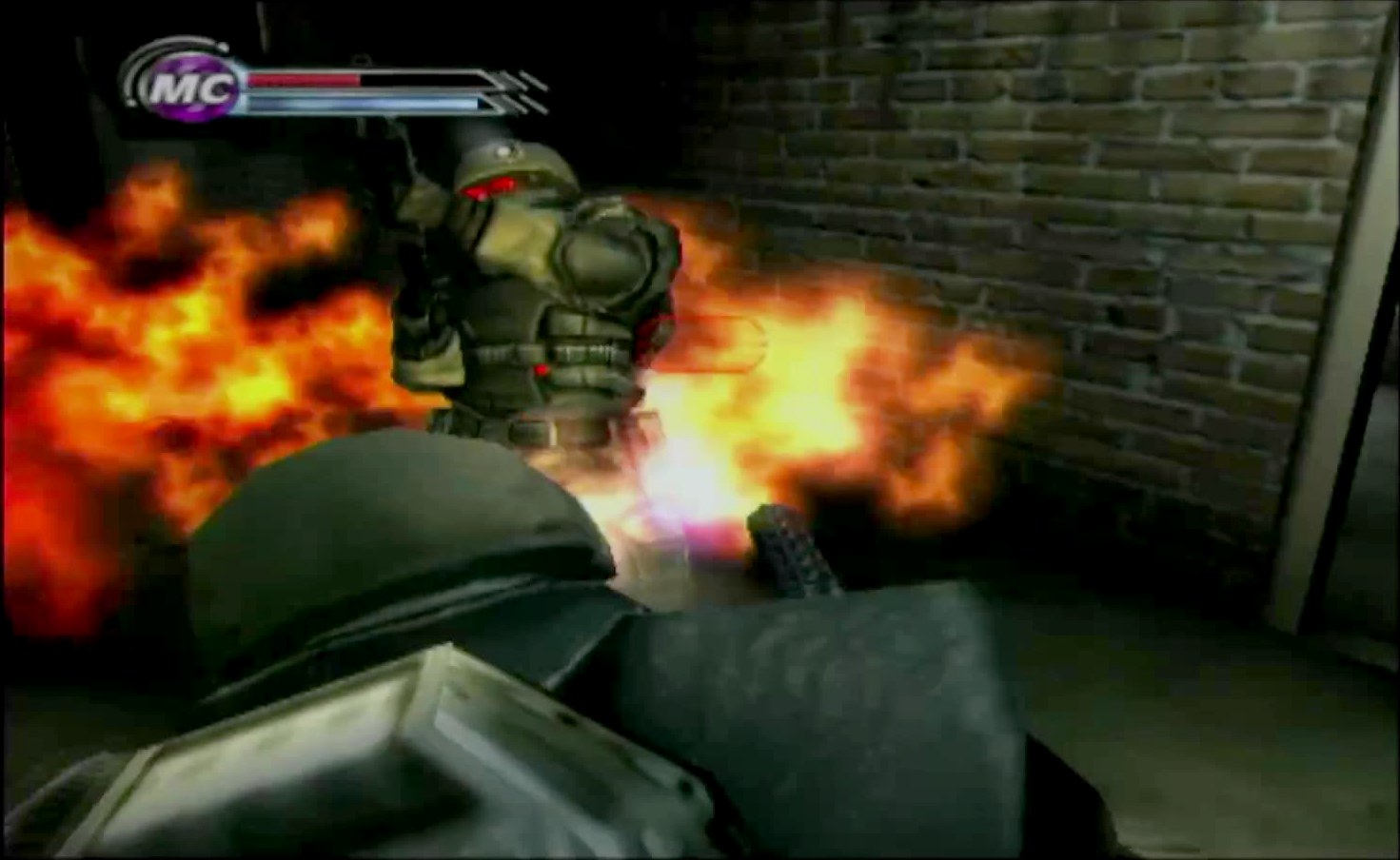
Pyrokinesis is fire with your mind. You can ignite enemies and set objects on fire, and better yet, combine it with telekinesis: light something on fire, pick it up and throw it at somebody. That’s where Psi-Ops stops feeling like a third-person shooter and starts feeling like a psychic playground. The powers don’t live on their own. You start combining them, and that’s when the combat really opens up.
Aura View lets Nick see things that normally aren’t visible, including hidden objects and certain supernatural stuff. It’s probably not the power you’ll spend hours screwing around with, but it rounds out the toolkit and gives the game another way to build puzzles and encounters around Nick’s abilities.
ESPionage: the name Psi-Ops almost had

Psi-Ops wasn’t always called Psi-Ops. Its earliest promotion used the name ESPionage. ESP plus espionage. Psychic spying. Get it? I actually kind of love it. That’s peak early-2000s video game naming right there.
Producer Brian Eddy told GameSpot the old name made people think it was just another military game, so Midway went with Psi-Ops: The Mindgate Conspiracy instead. Which sounds approximately 12 times more dramatic, and I’m completely fine with that.
What makes Psi-Ops special
This could have been a shooter with psychic powers slapped on top. Press button, watch psychic animation, keep shooting. That’s not what Midway made. The physics are part of the gameplay. The environment is part of your weapon set. Enemies are part of your weapon set. The powers interact with the world, so two encounters don’t have to play out the same way.
It gives you all the toys, then trusts you to play with them. It gives you systems instead of scripting every cool moment for you. And for real, I miss that kind of experimentation in games.
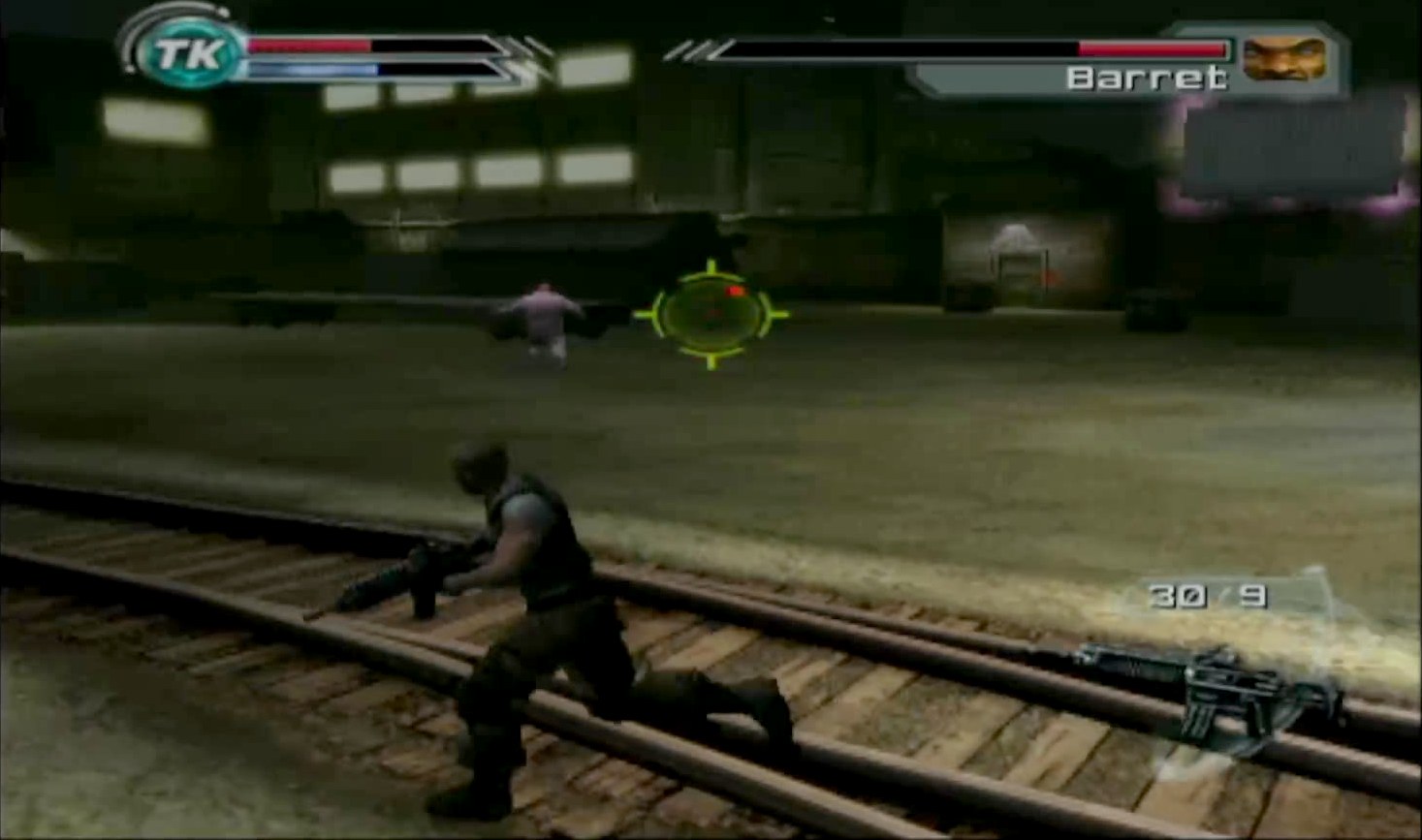
Does Psi-Ops hold up?
Psi-Ops isn’t perfect. The shooting isn’t the reason I’d recommend it. Some of the environments have that gray, industrial, early-2000s action-game look, which I actually love. And the story probably isn’t what you’ll remember 20 years later. I know I don’t.
What you’ll remember are the powers. The first time you realize you can pick up an enemy. Throwing that enemy into another enemy. Setting something on fire and launching it across the room. Experimenting. That’s why Psi-Ops still works for me today.
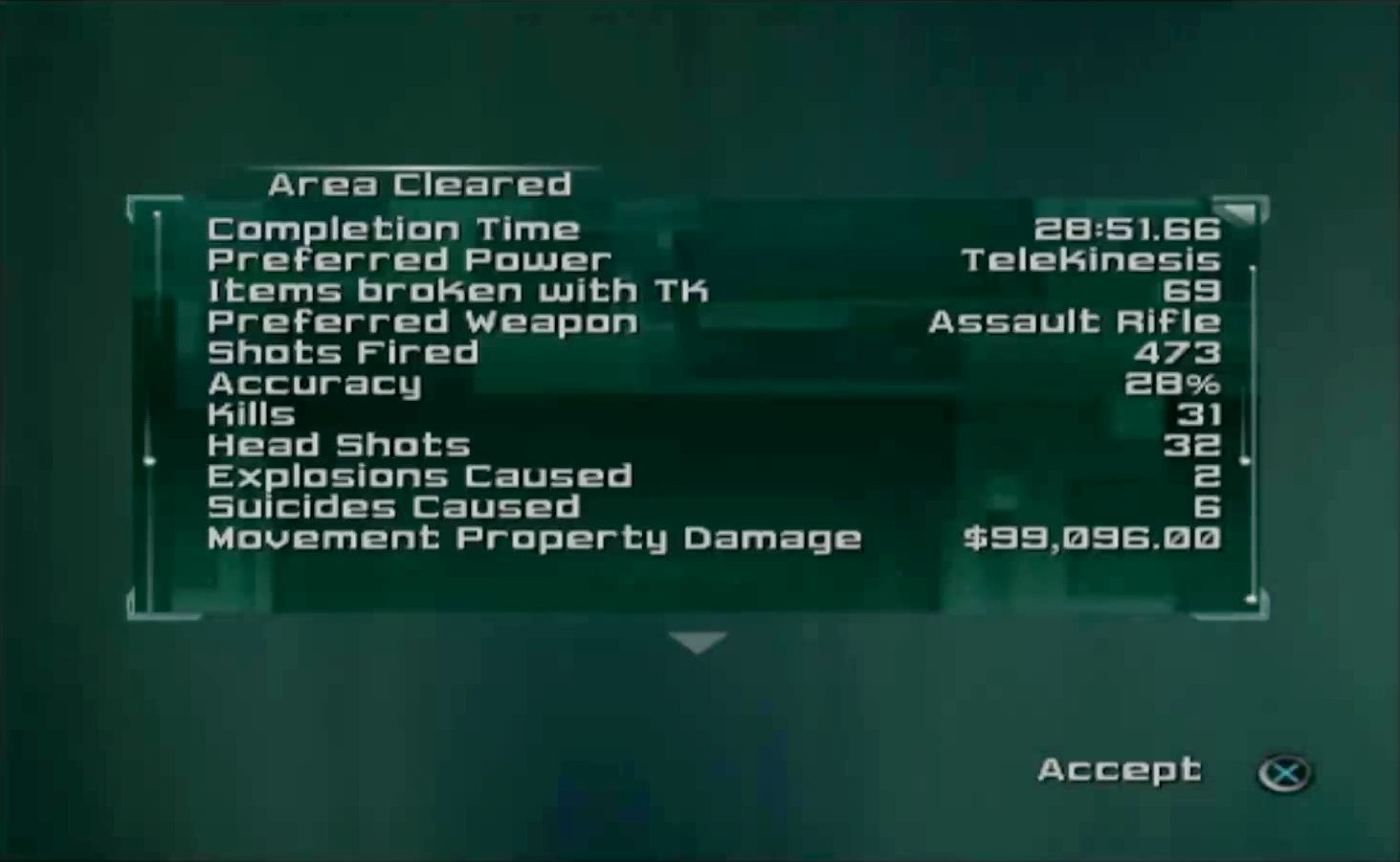
The game seems to know it, too. The stats screen after an area tracks your “Preferred Power” and your “Movement Property Damage.” On one of mine, that read Telekinesis and $99,896.00. Seems about right.
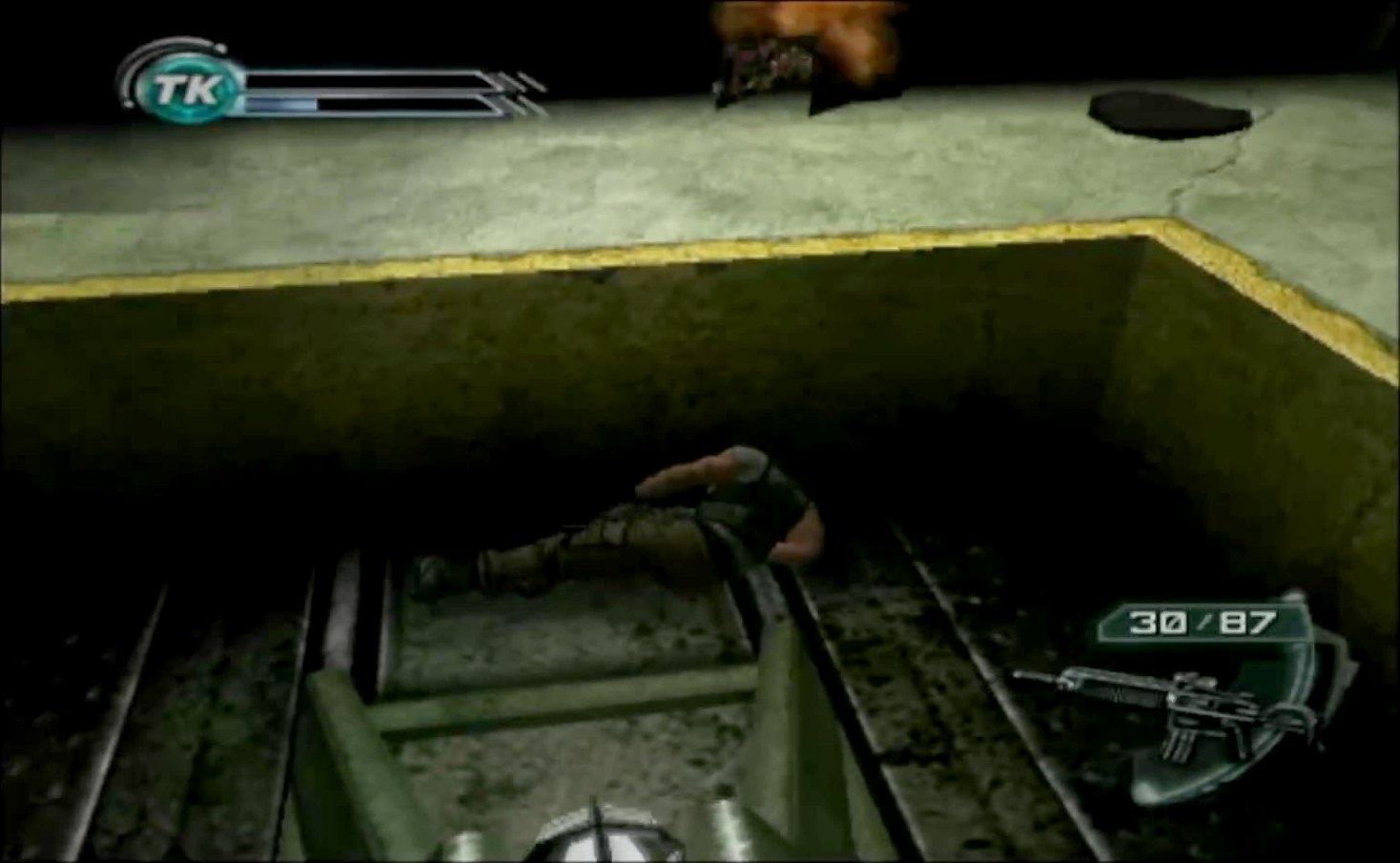
Collecting Psi-Ops on PS2
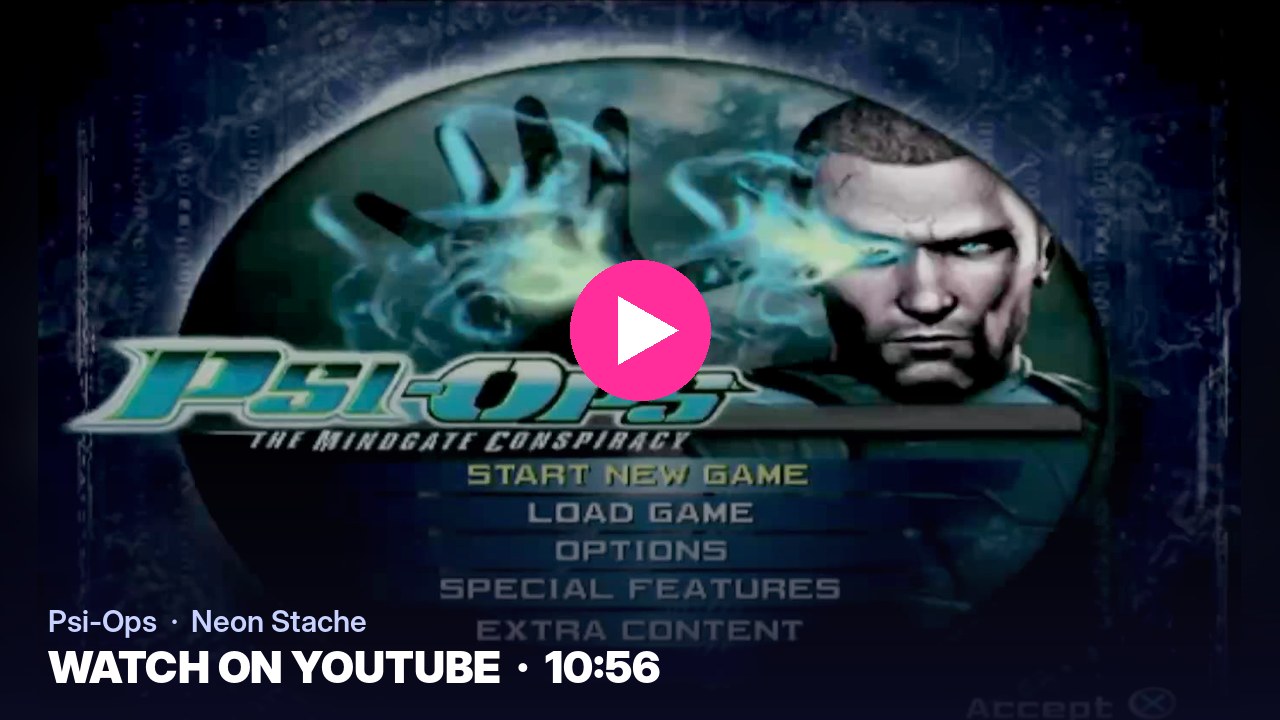
Here’s something else I love about playing Psi-Ops today. I can pull the original PS2 case off my shelf, open it, take out the disc, put it into original hardware and play it more than 20 years later. Nobody has to authenticate my license. Nobody has to keep a server running. Nobody can remove it from my account. I own it. That’s preservation, and that’s why physical media matters to me.
Psi-Ops is also one of my favorite things about collecting for the PS2. Everybody knows Grand Theft Auto, Metal Gear Solid, God of War, Final Fantasy and Kingdom Hearts. But underneath those massive games, the PS2 library is loaded with stuff like this. You pick up the case, maybe you’ve never even heard of it, you put the disc in, and a few hours later you’re wondering how in the world you missed it. Hunting for more PS2 hidden gems? Try my Eternal Poison review, Scaler, the blue lizard PS2 platformer, or the PS2 Beginner’s Guide.
Release notes for collectors: the North American (NTSC) PS2 version came out on June 14, 2004, the same day as the Xbox version. The European PS2 release followed on October 1, 2004, a Windows port came out in Europe in February 2005, and Capcom published it in Japan on November 10, 2005.
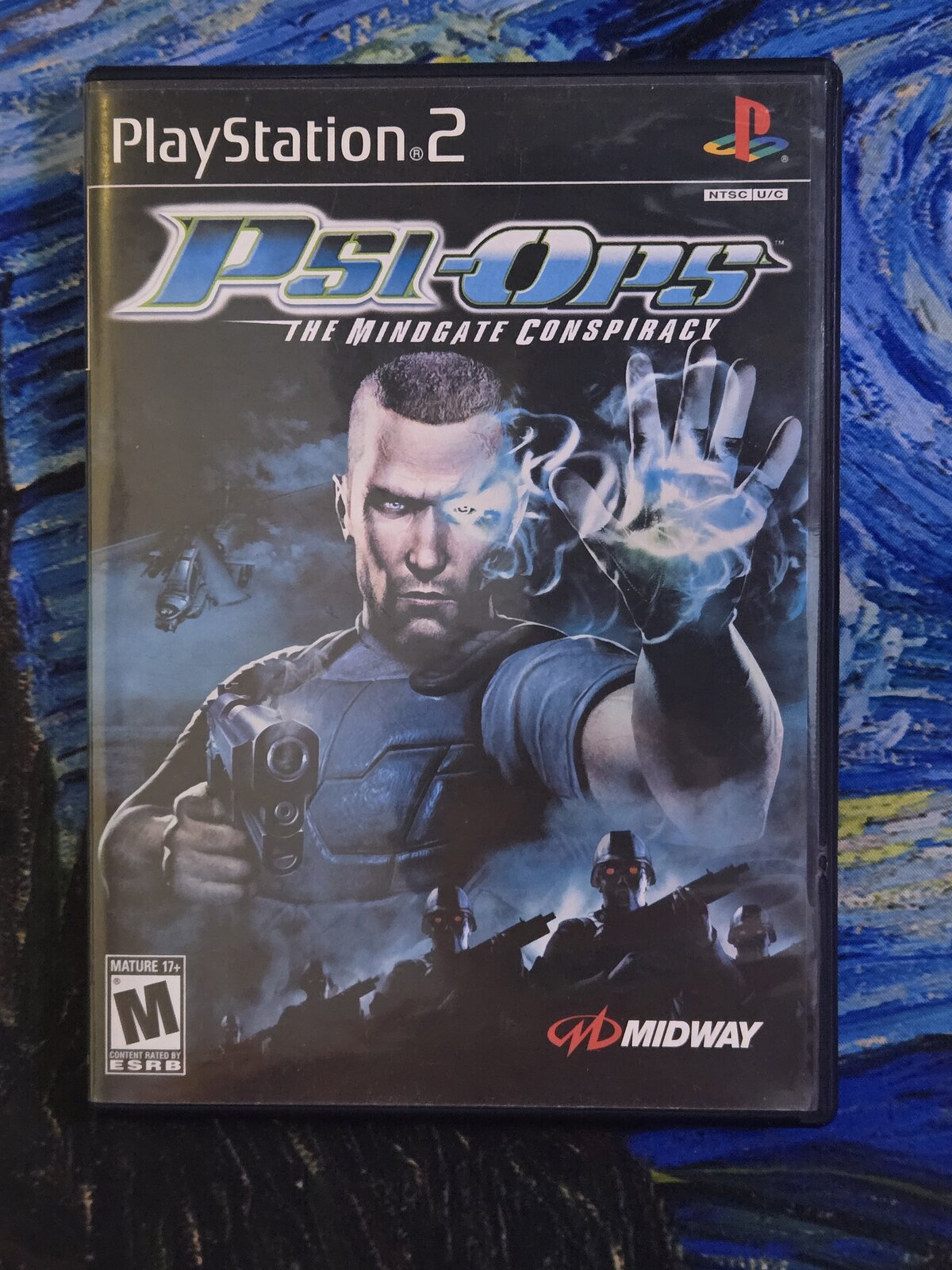
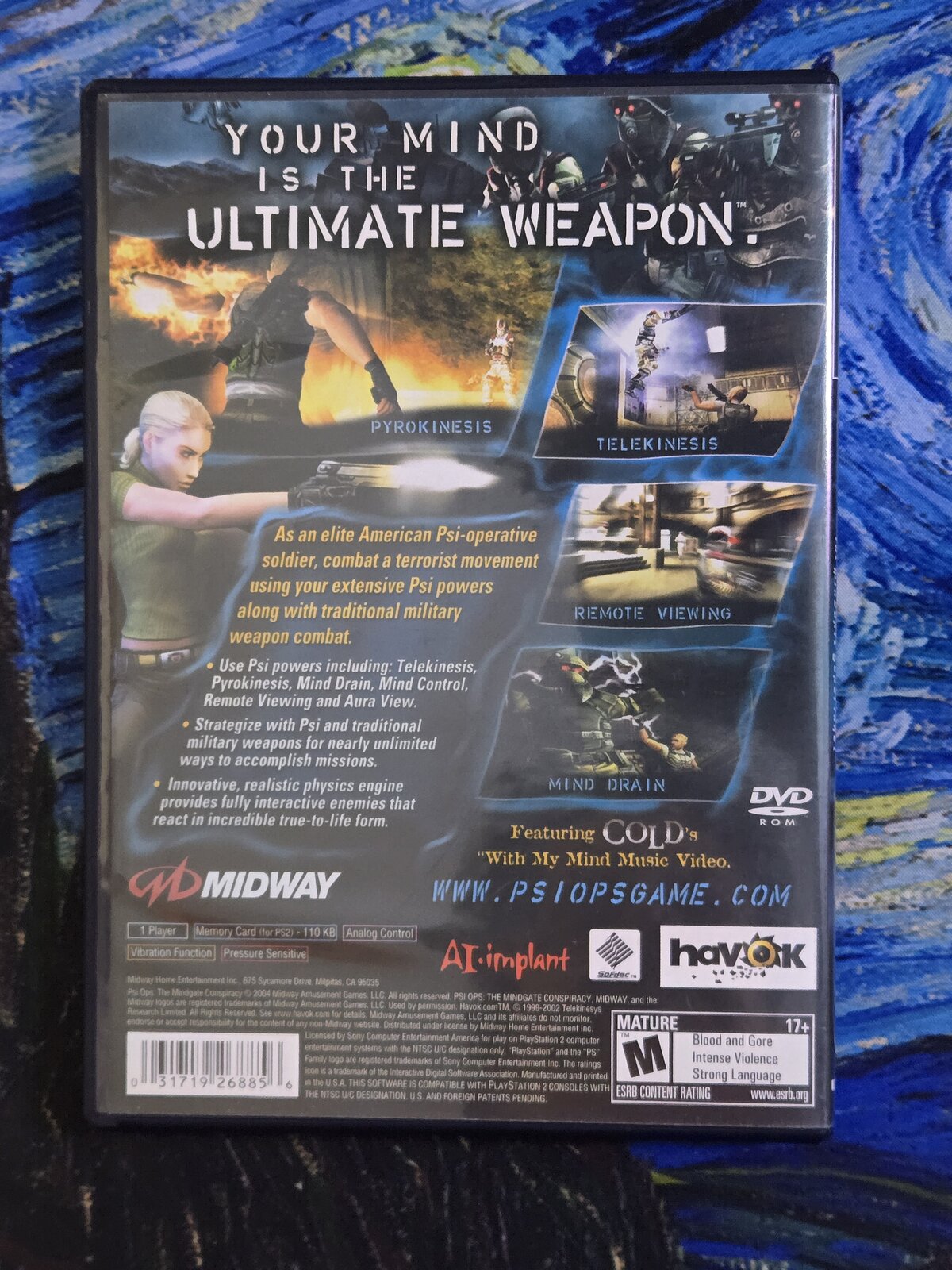
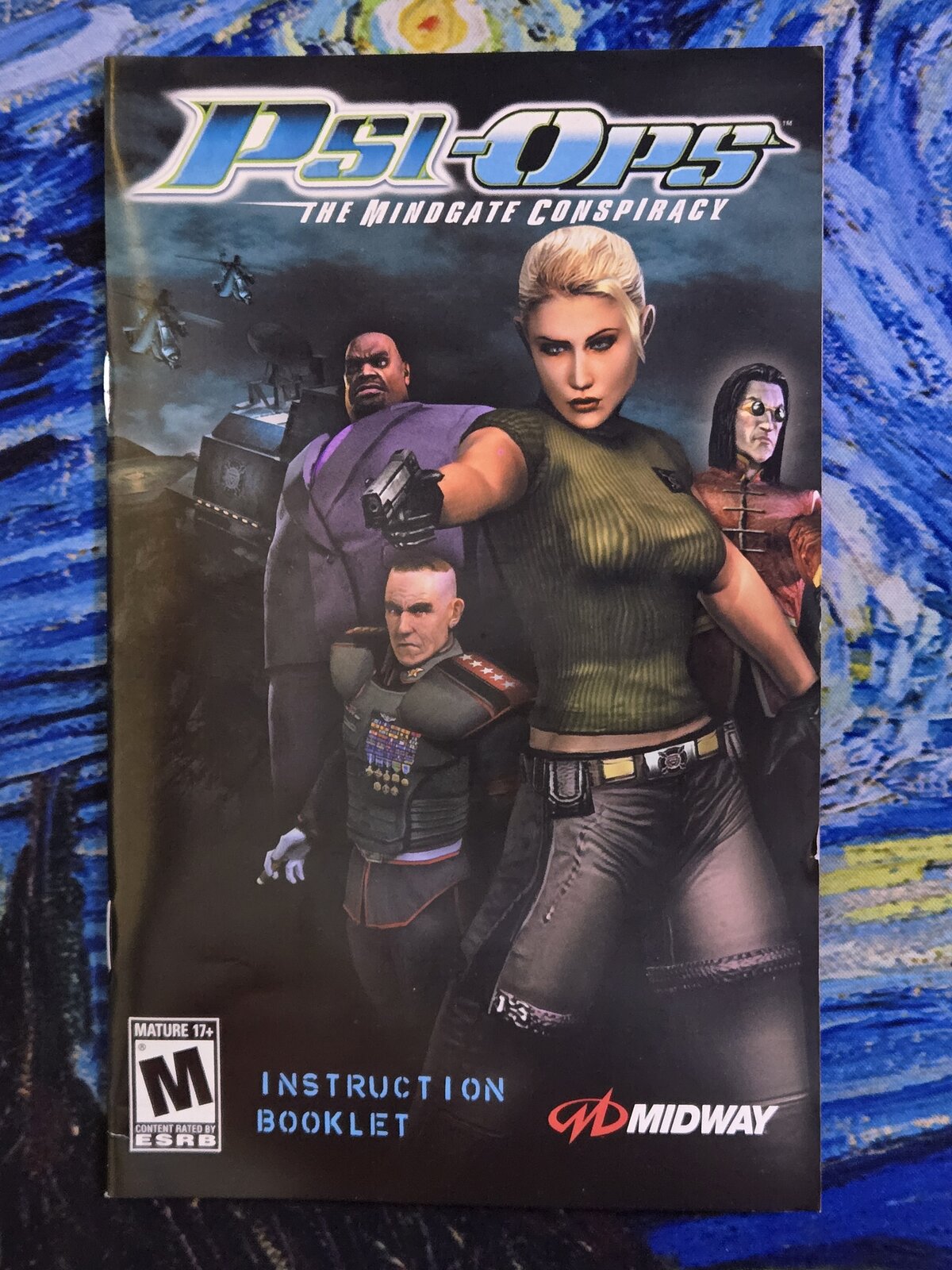
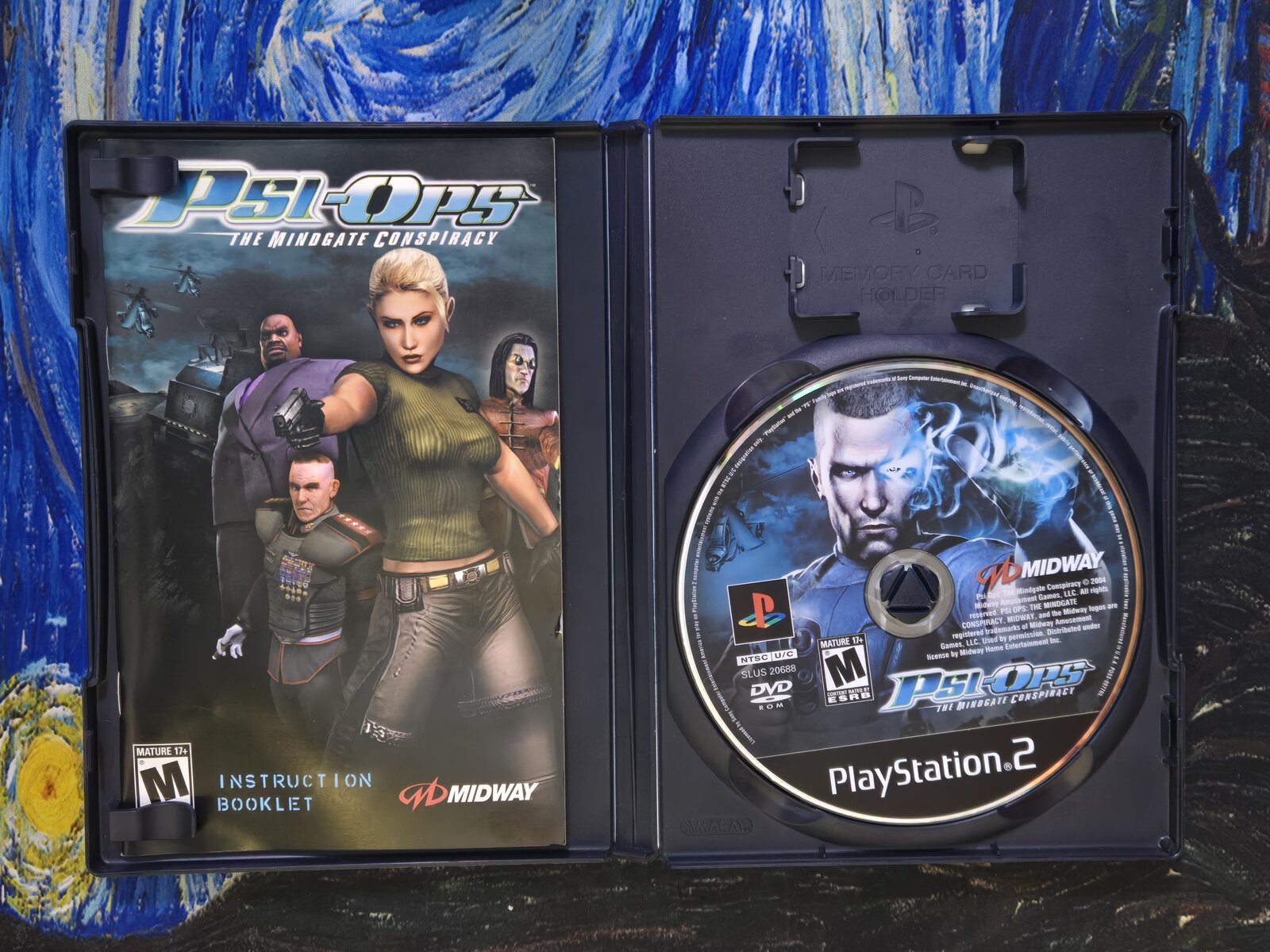
My copy: Psi-Ops: The Mindgate Conspiracy, PS2, North American (NTSC), complete in box with the case, disc and manual.
Find Psi-Ops: The Mindgate Conspiracy on eBay
Psi-Ops FAQ
Is Psi-Ops: The Mindgate Conspiracy worth playing today?
Yes, if you want powers you can actually play with. The shooting is just okay and the story won’t stick with you, but telekinesis, Mind Control and Pyrokinesis on top of Havok physics still feel unique more than 20 years later.
When did Psi-Ops come out?
Psi-Ops: The Mindgate Conspiracy came out in North America on June 14, 2004 for PS2 and Xbox. Europe got the PS2 version on October 1, 2004, and a Windows port on February 11, 2005.
Is there a Psi-Ops 2?
No. The ending sets up a sequel, and Midway considered one, but it was shelved because the first game didn’t sell well.
Who is Nick Scryer?
Nick Scryer is the hero of Psi-Ops: a Mindgate psychic agent sent undercover into The Movement with his memory wiped and his powers suppressed. As his memories return, so do his abilities.
What powers do you get in Psi-Ops?
Six: Telekinesis, Remote Viewing, Mind Drain, Mind Control, Pyrokinesis and Aura View. Telekinesis is the star, and the game lets you combine powers, like setting an object on fire and throwing it.
Is Psi-Ops on PC or Xbox?
Yes. It came out on Xbox the same day as the PS2 version in North America, and a Windows port followed in Europe in 2005.
The verdict
Telekinesis alone makes Psi-Ops worth experiencing. Combine it with Mind Control, Pyrokinesis, Remote Viewing, Mind Drain, Aura View and a physics system that keeps letting you experiment, and you get something that still feels super unique today.
That’s probably the biggest compliment I can give it. The game came out in 2004, and more than 20 years later I’m still thinking of stupid new things I want to try with telekinesis.
Which psychic power would you actually use in real life? Tell me in the comments.
You stay frosty.
Leave a Reply
You must be logged in to post a comment.