
Most RPGs start with a hero destined to save the world. Tsugunai: Atonement does the exact opposite. It starts with a man committing a terrible crime, and then makes you spend the whole game paying for it.
Tsugunai: Atonement on PlayStation 2 (PS2) has one of the most unusual mechanics I’ve seen in a PS2 RPG. Instead of leveling up one hero, you spend the game possessing other people and fixing their lives.
This post contains affiliate links. If you buy through them I may earn a small commission, at no extra cost to you. It helps keep the channel going.
What is Tsugunai: Atonement?
Tsugunai was developed by Cattle Call and first came out in Japan on February 22, 2001, published by Sony. Atlus brought it to North America in November 2001.
Fun fact: tsugunai is Japanese for atonement. So the full title basically translates to “Atonement: Atonement.” We’re off to a great start. A game so nice they named it twice.
It’s also another one of those obscure Atlus-published RPGs, like Eternal Poison. During the PS2 era, Atlus became known for bringing unique Japanese RPGs to the West, and Tsugunai fits right into that category.
A thief, a treasure orb and a curse
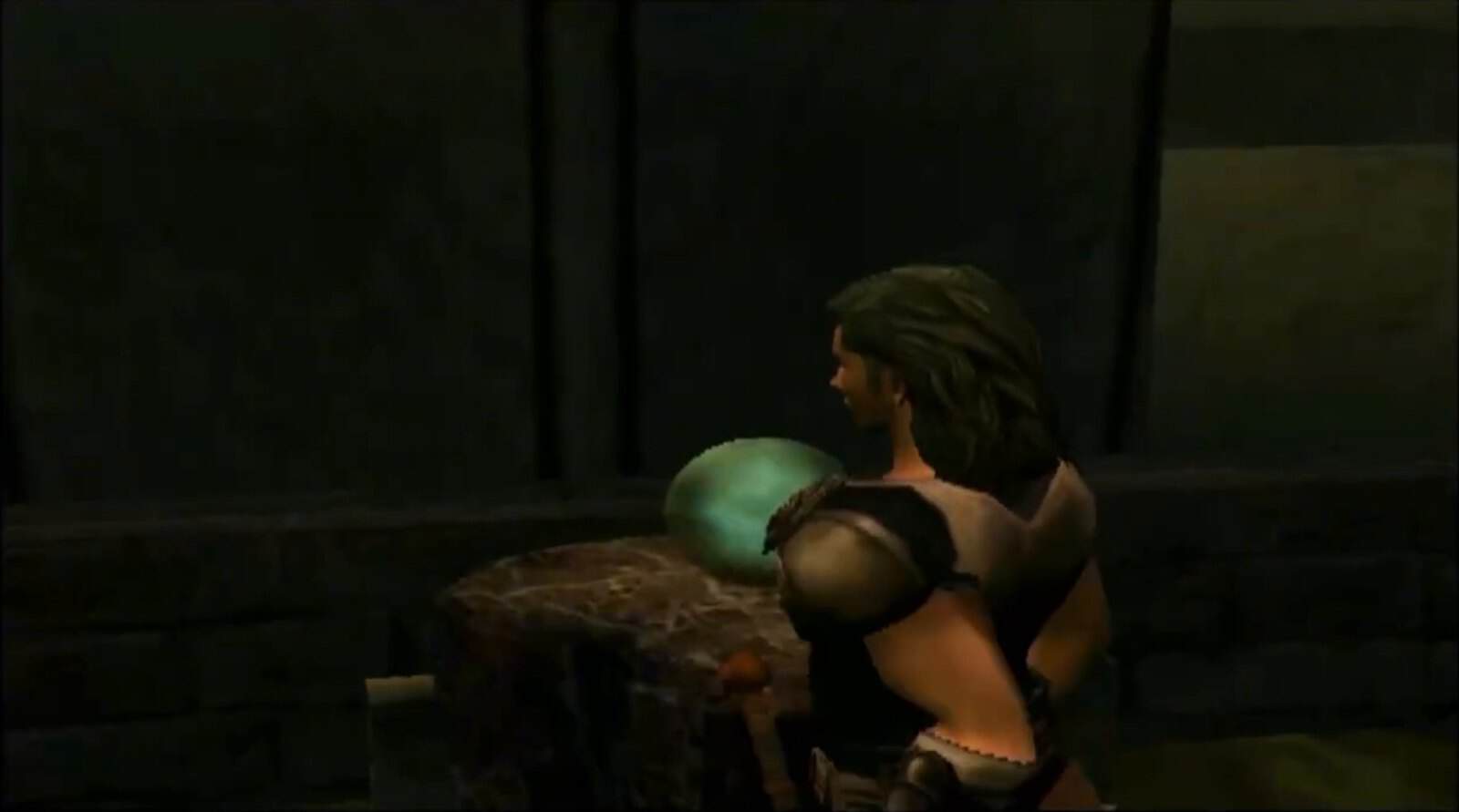
You play as Reise, a mercenary who steals a sacred Treasure Orb. An unknown voice warns him not to, and he grabs it anyway. Right away you know it’s a bad idea, especially when what looks a lot like Diablo swoops down from the sky as your first boss. He can be tough if you’re not prepared.

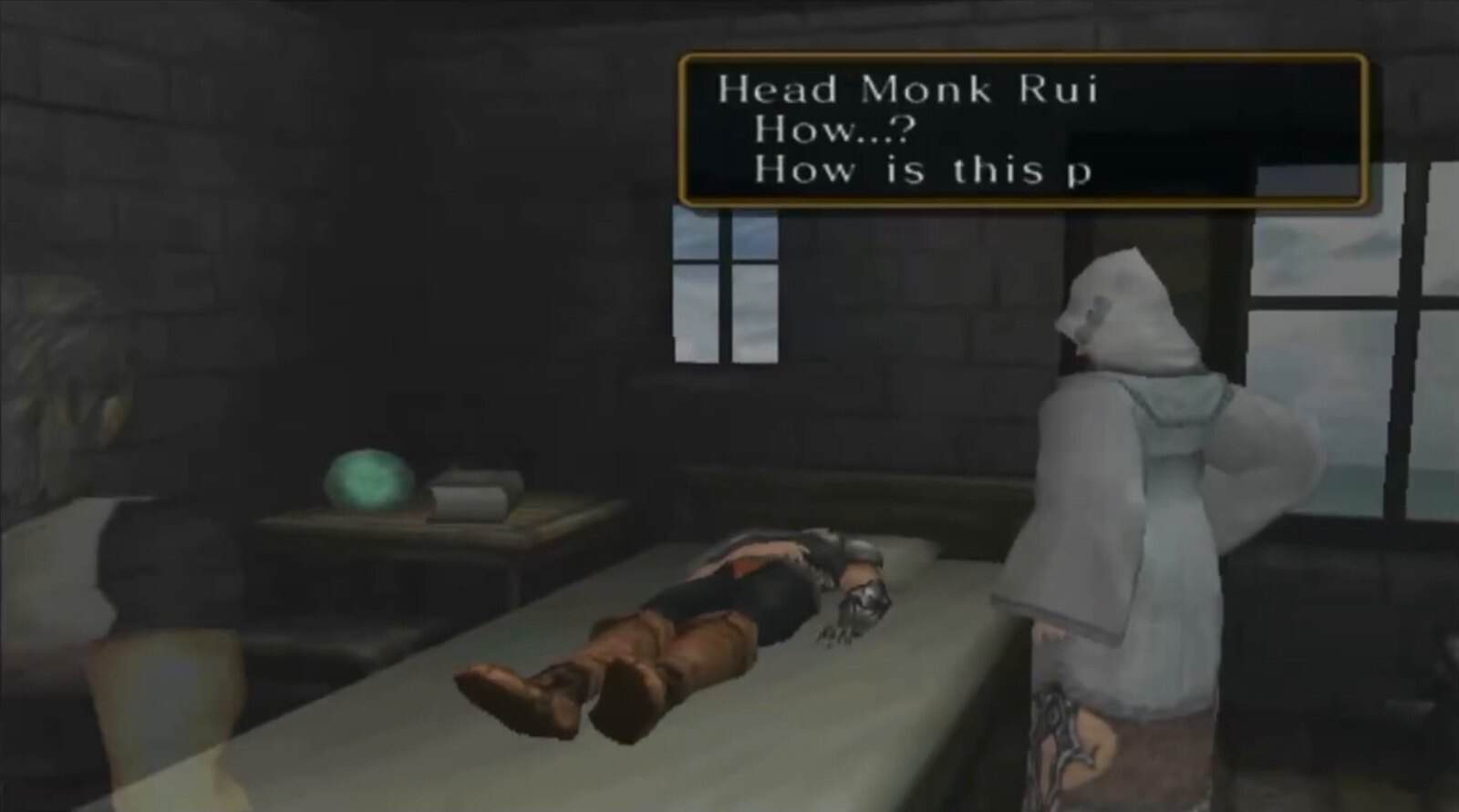
As punishment, the Goddess of Light separates Reise’s soul from his body. He doesn’t die. He’s trapped in a spirit state, and the only way back into his body is to atone for what he did by helping the people of Walondia.
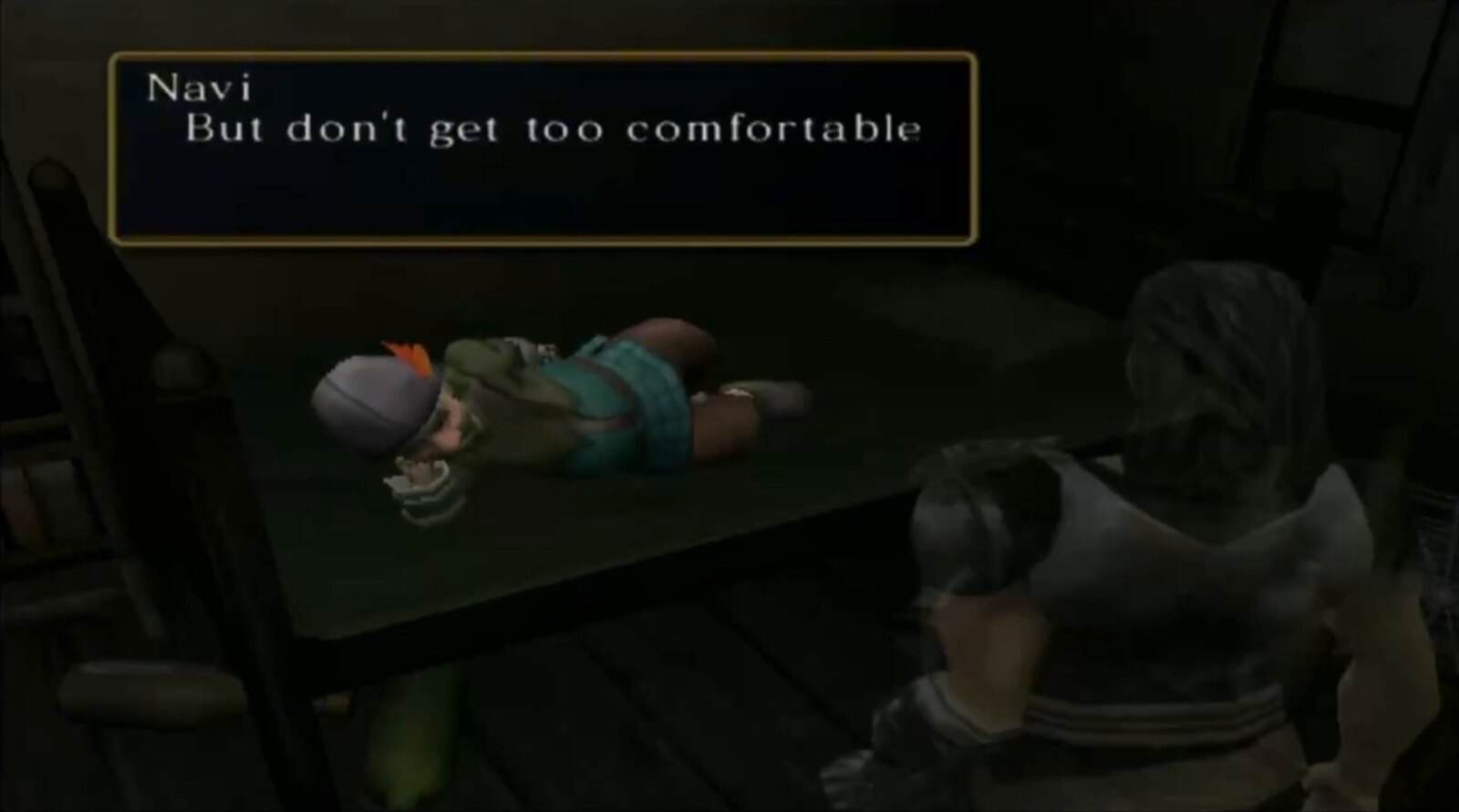
He gets some help from a very unusual gnome named Navi, who may or may not have a drinking problem. Navi explains the deal: to get his body back, Reise has to heal the hearts of the people around him, and the only way to do that is by possessing the bodies of people filled with sadness or anger.
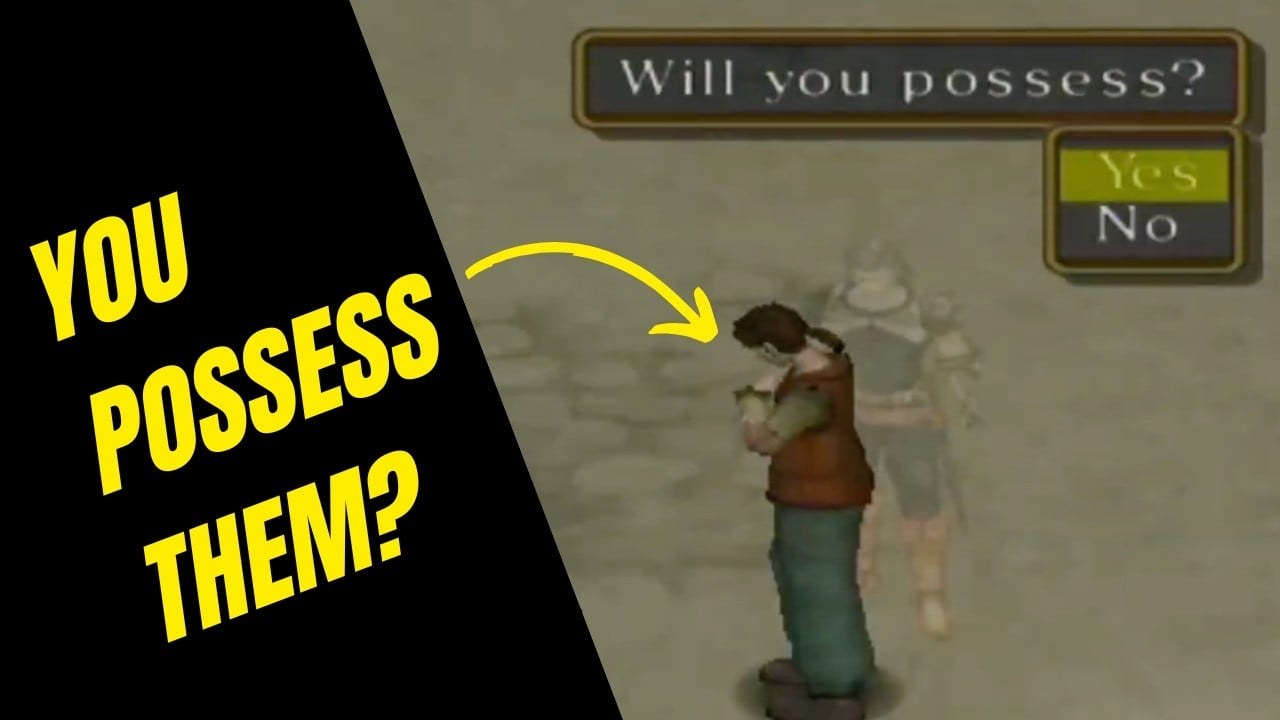
Possession: the big idea
This is what makes Tsugunai stand out. Instead of controlling one main character the entire game, you’re constantly taking control of different hosts, people dealing with regret, loss or conflict. You fight their battles, help them resolve their struggles, and slowly move Reise closer to redemption. The back of the box promises over a dozen characters to possess, each with their own side quests.
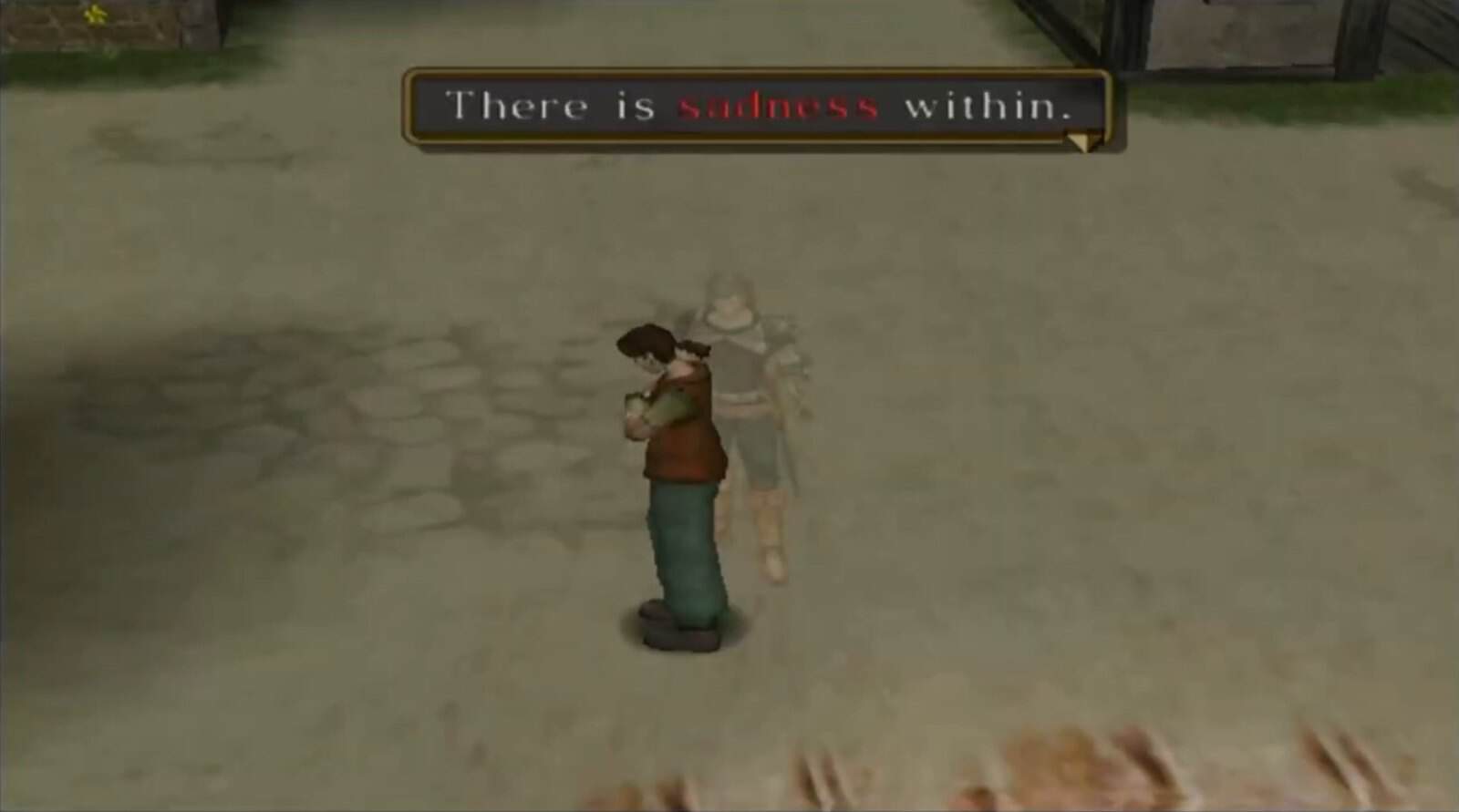
Every host has their own weapons, equipment and role in combat. One might specialize in physical attacks, another might lean on magic, another might play more defensively. So every time the story shifts to a new character, the gameplay shifts too.
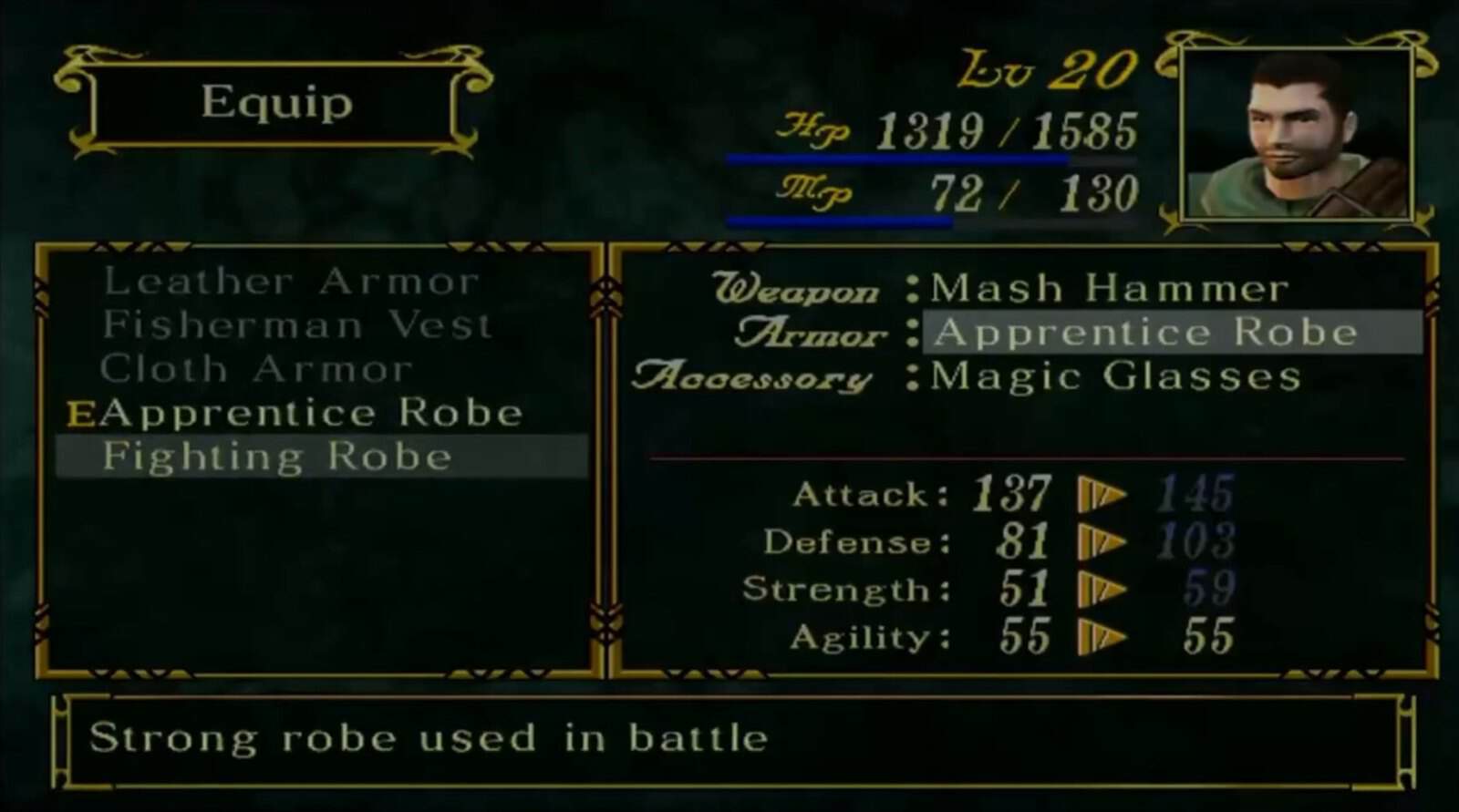
And you guys know I love to grind up to level cap, so this was a big change for me. You’re not leveling one character, you’re learning how to play a bunch of them. It keeps the game feeling fresh, and it ties right into the story: Reise can only redeem himself by helping others.
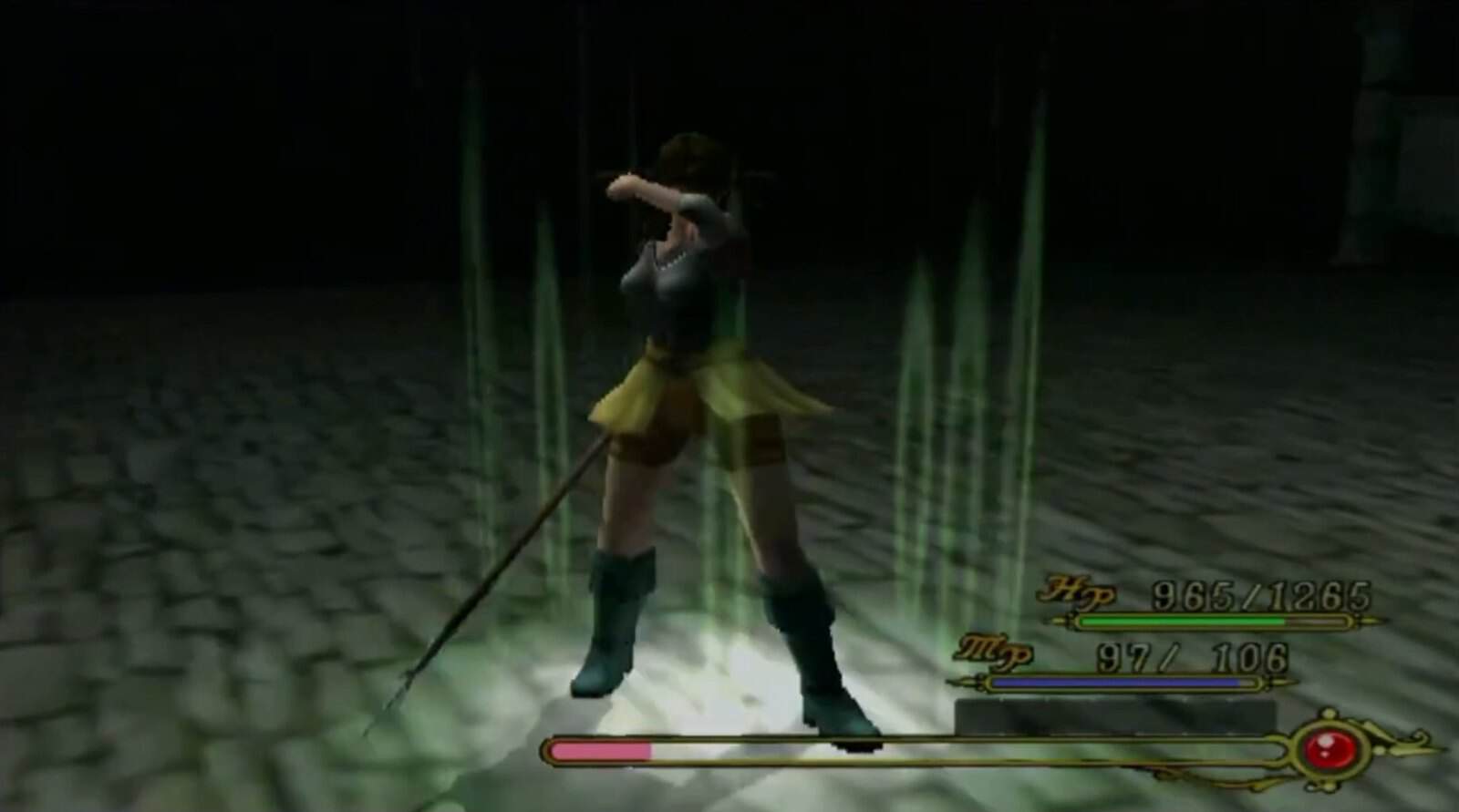
My favorite host is Fisela, with her spear and her deep, branching story. I found myself looking forward to possessing her again and again.
Runes and amulets
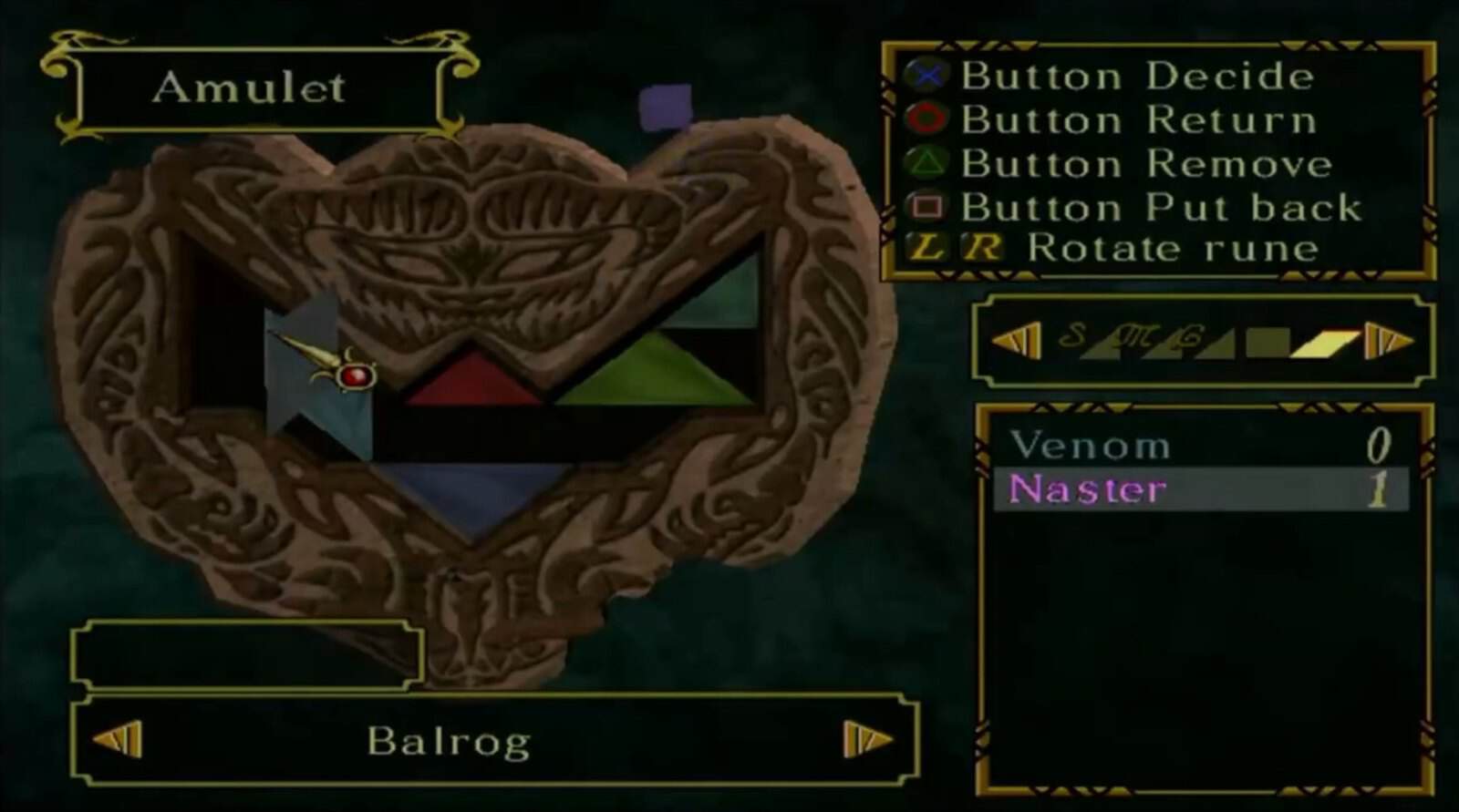
Magic works through runes that you slot into amulets. It’s similar to Final Fantasy VII’s materia, except the runes come in different shapes, and you have to rotate them and make room to fit them in, like a puzzle. Fill an amulet and you can call on a summon. Definitely a unique angle on equipping magic.
Combat: defense matters as much as offense
Combat follows a traditional turn-based structure, but it adds a few mechanics that bring extra strategy. When an enemy attacks, you don’t just stand there and take it. You literally can parry, which, if you weren’t living under a rock last year, is the mechanic Clair Obscur: Expedition 33 made extremely popular and satisfying. Here are your options:
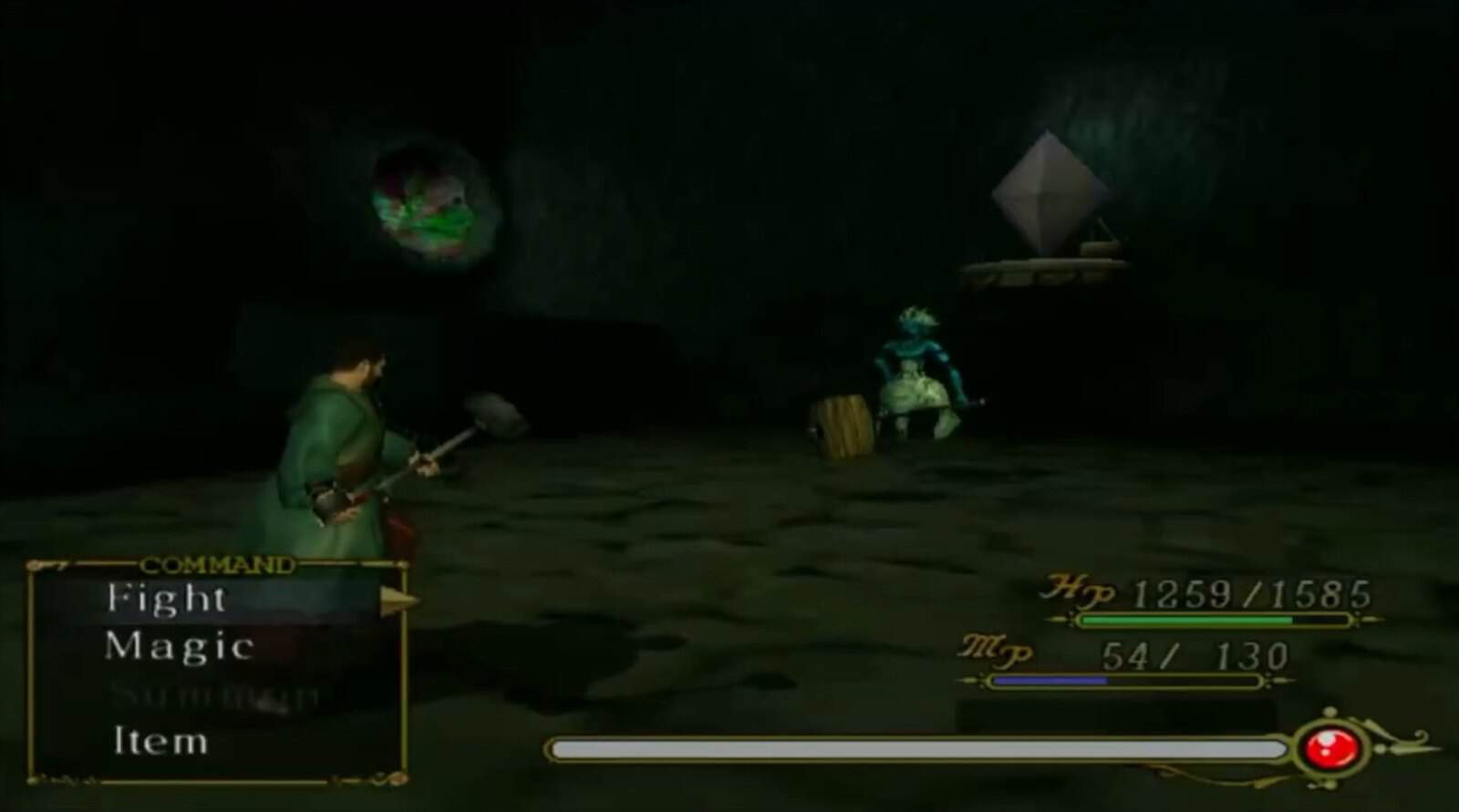
- Guard: reduces incoming damage.
- Strage Guard: blocks less, but builds your Strage gauge, which works like a super meter.
- Counter: time it just right and you negate the damage and strike back. It’s my personal favorite, but be warned: miss it and you take extra damage.
- Backstep: dodges the attack completely, but you don’t earn any gauge.
Fill the Strage gauge and you can unleash a heavy attack that’s unique to each character.
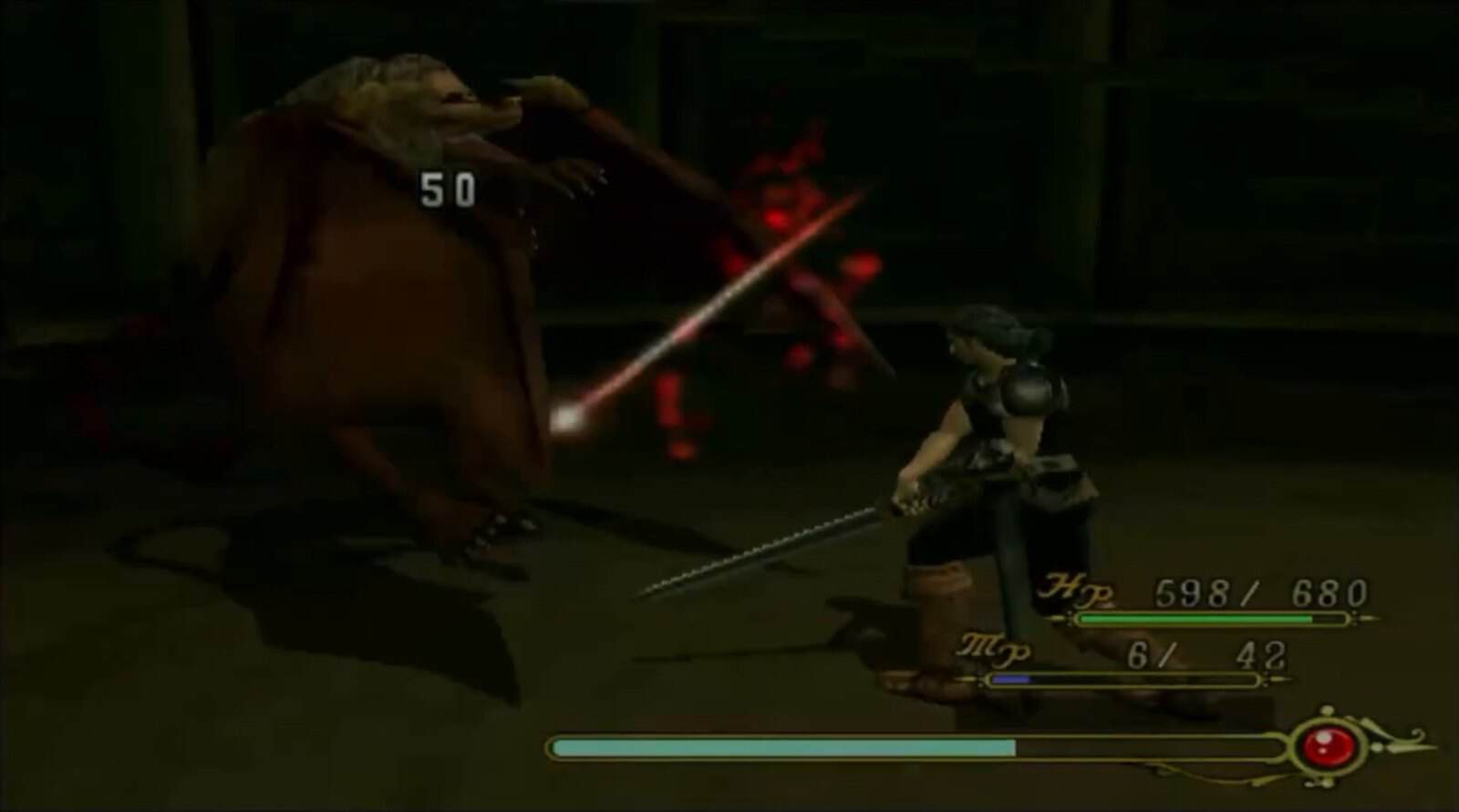
That makes defensive choices just as important as offensive ones. In big boss fights, the right defensive option can completely change the outcome, and in rare cases, if you don’t backstep, Strage Guard or counter, you can literally get one-shotted. I learned that the hard way.
When a fight turns
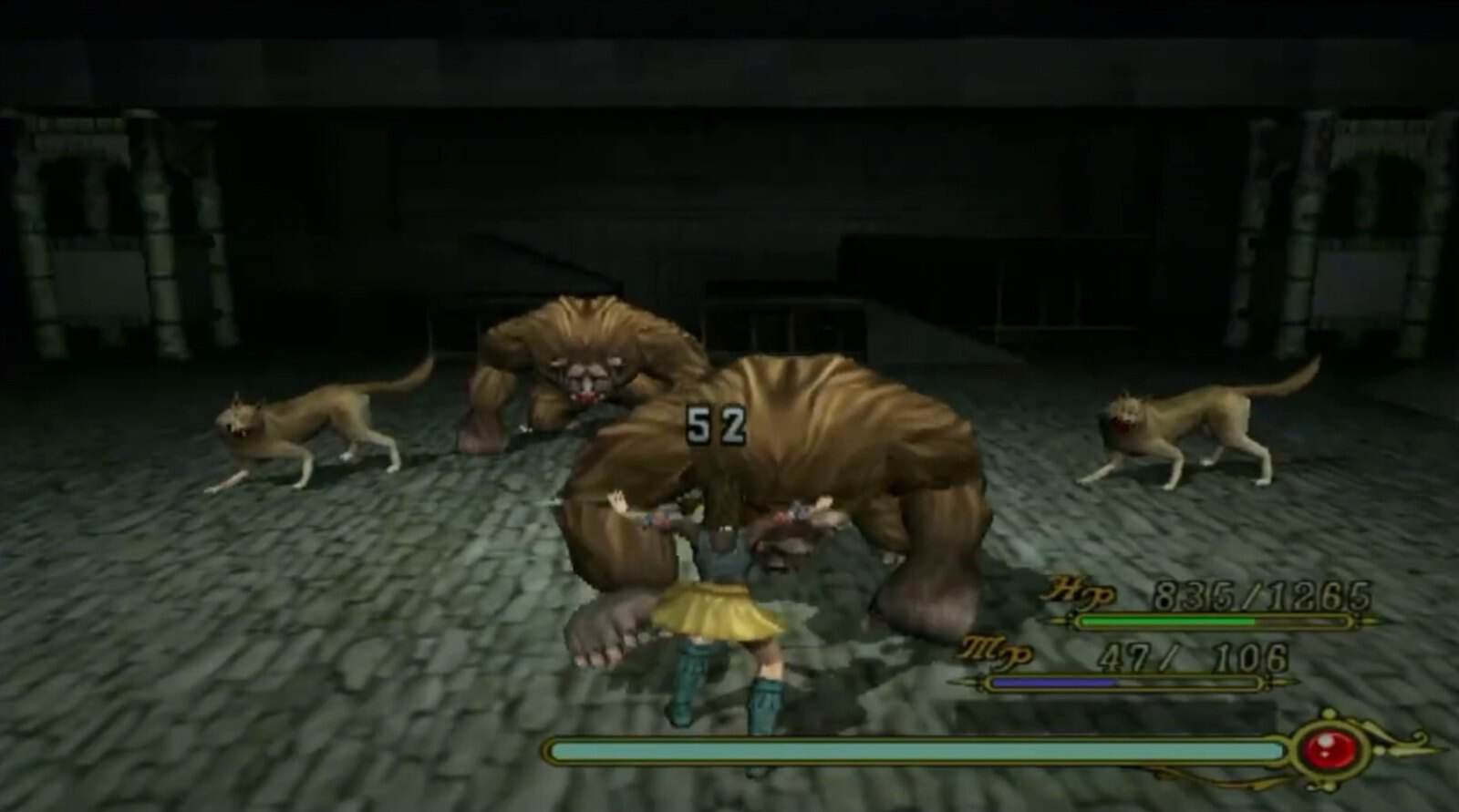
One thing I remember about playing Tsugunai is how tense some of these fights could get. There were definitely moments where I mistimed a counter or picked the wrong defensive option, and a boss fight that was under control turned into complete chaos.
But once you understand how those defensive options work together, timing a counter perfectly and turning the momentum of a battle around feels fantastic.
Art and music
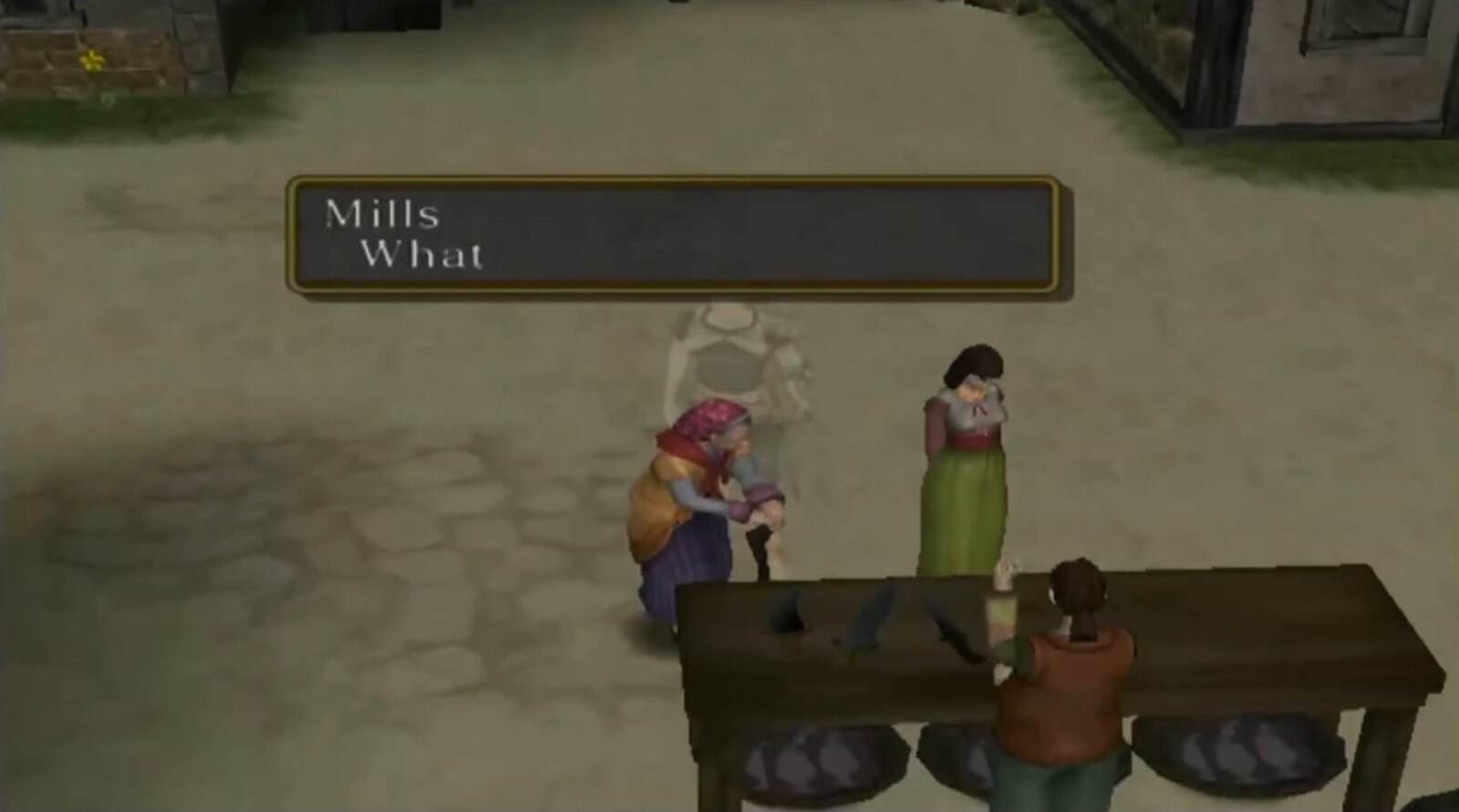
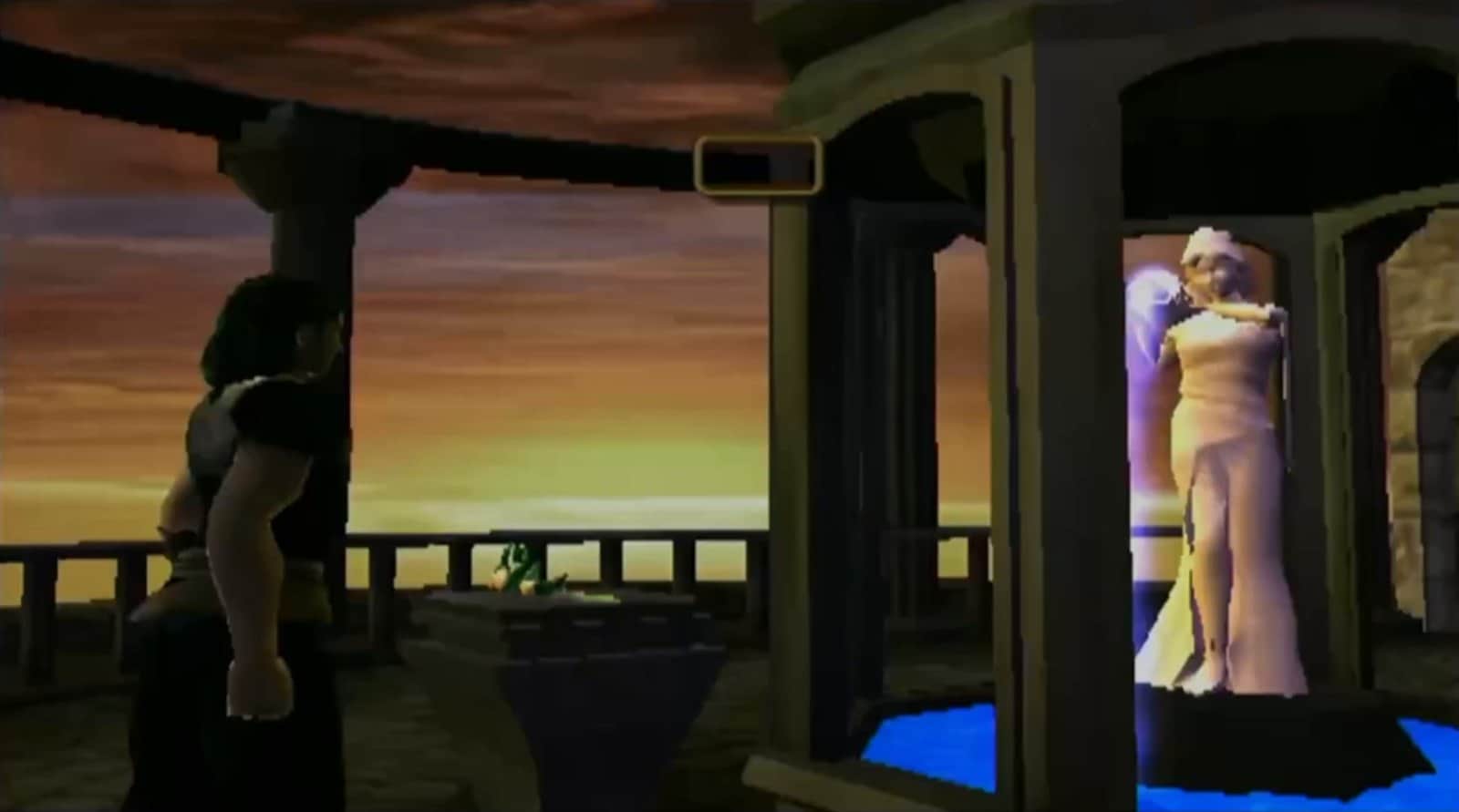
Visually, Tsugunai has a more subdued fantasy look than a lot of RPGs from the same era. Towns feel quiet and reflective instead of bustling, and the environments have a slightly melancholic tone that fits the story perfectly. This isn’t a world full of heroes. It’s a world full of people dealing with the consequences of their past.
The soundtrack is by Yasunori Mitsuda, the composer behind Chrono Trigger, Chrono Cross and Xenogears. Instead of constant high-energy battle tracks, a lot of it leans toward softer melodies that support the emotional tone and the slower pace of the story. Some areas have some genuinely eerie tunes too, which add to the darker atmosphere of certain areas and story arcs.
Does it hold up?
Critics were split back then. IGN gave it an 8.4 out of 10, GameSpot gave it a 4.1, and it landed at 67 on Metacritic.
My take: it isn’t a traditional RPG. It’s slower and more reflective, and it’s built around the idea that redemption comes from helping others. If you go in expecting a big save-the-world adventure, it’ll feel strange. If you’re into experimental RPGs, that unusual premise leads to mechanics and storytelling that still feel unique today.
Collecting Tsugunai: Atonement
From a collector’s perspective, Tsugunai is a great example of the kind of RPGs Atlus was bringing to the PS2 in the early 2000s. They weren’t always the biggest releases, but they often explored ideas you didn’t see in mainstream RPGs. That willingness to experiment is one of the reasons the PS2 library is still so interesting to explore today.
A complete North American copy is the case, the disc and the manual. Mine is complete:
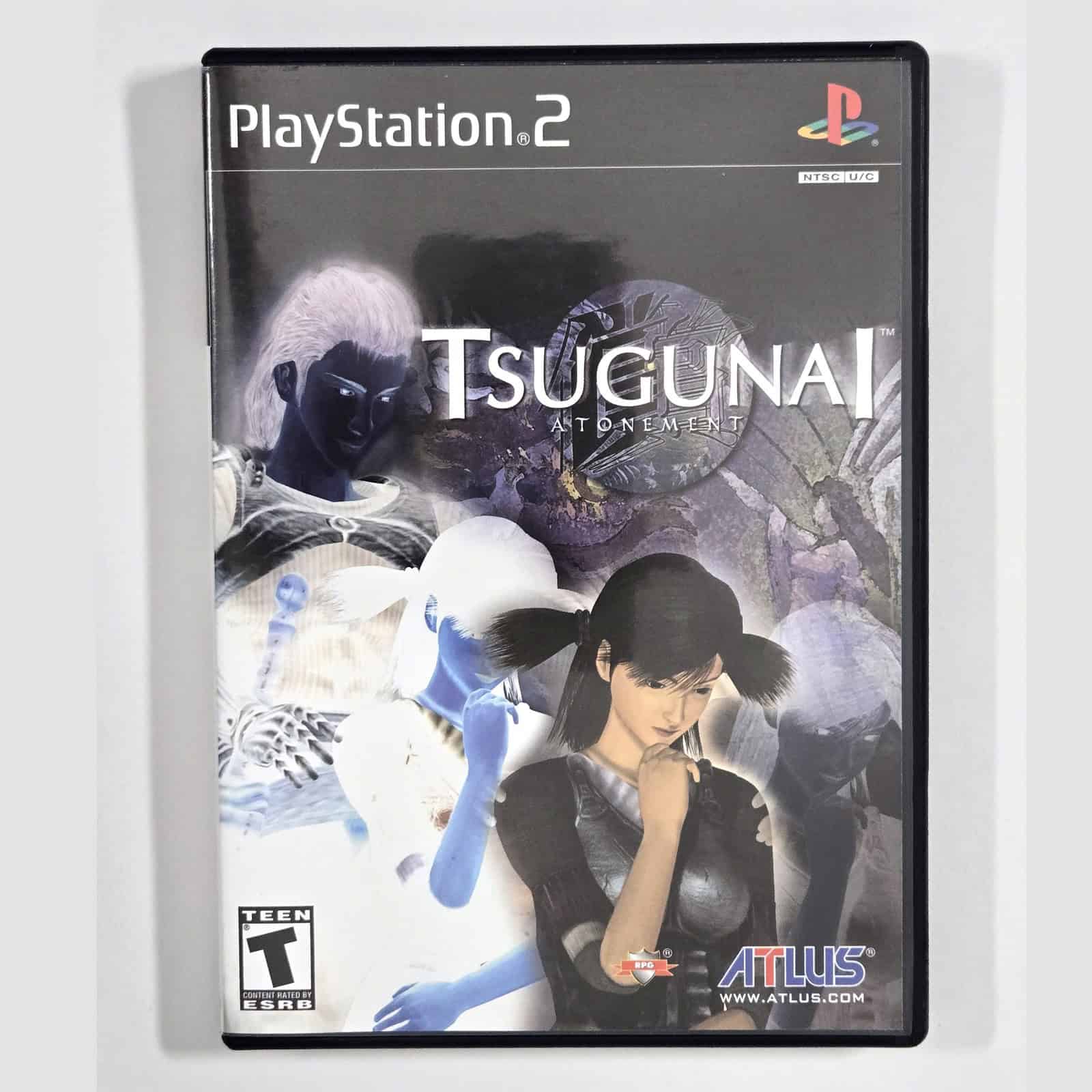
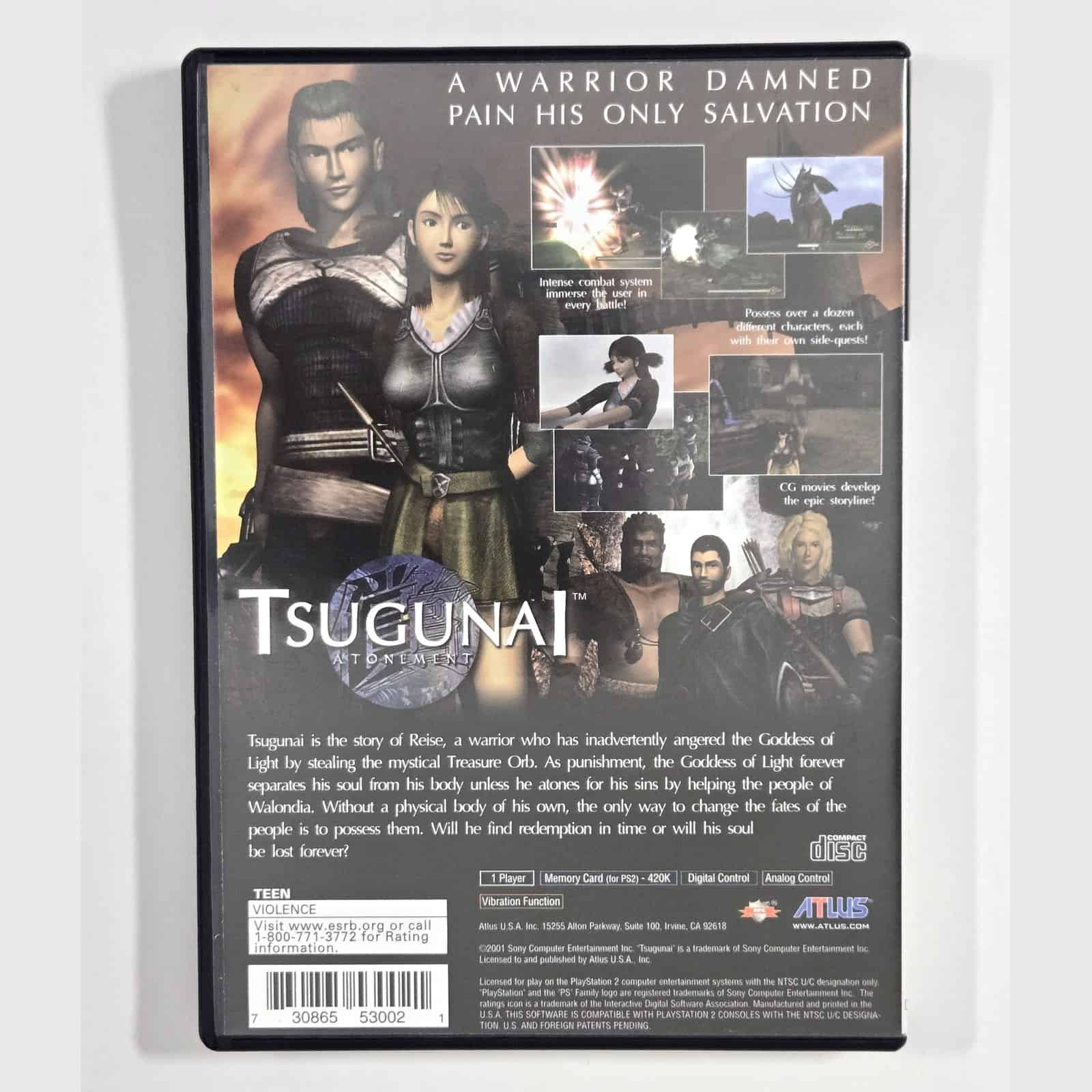
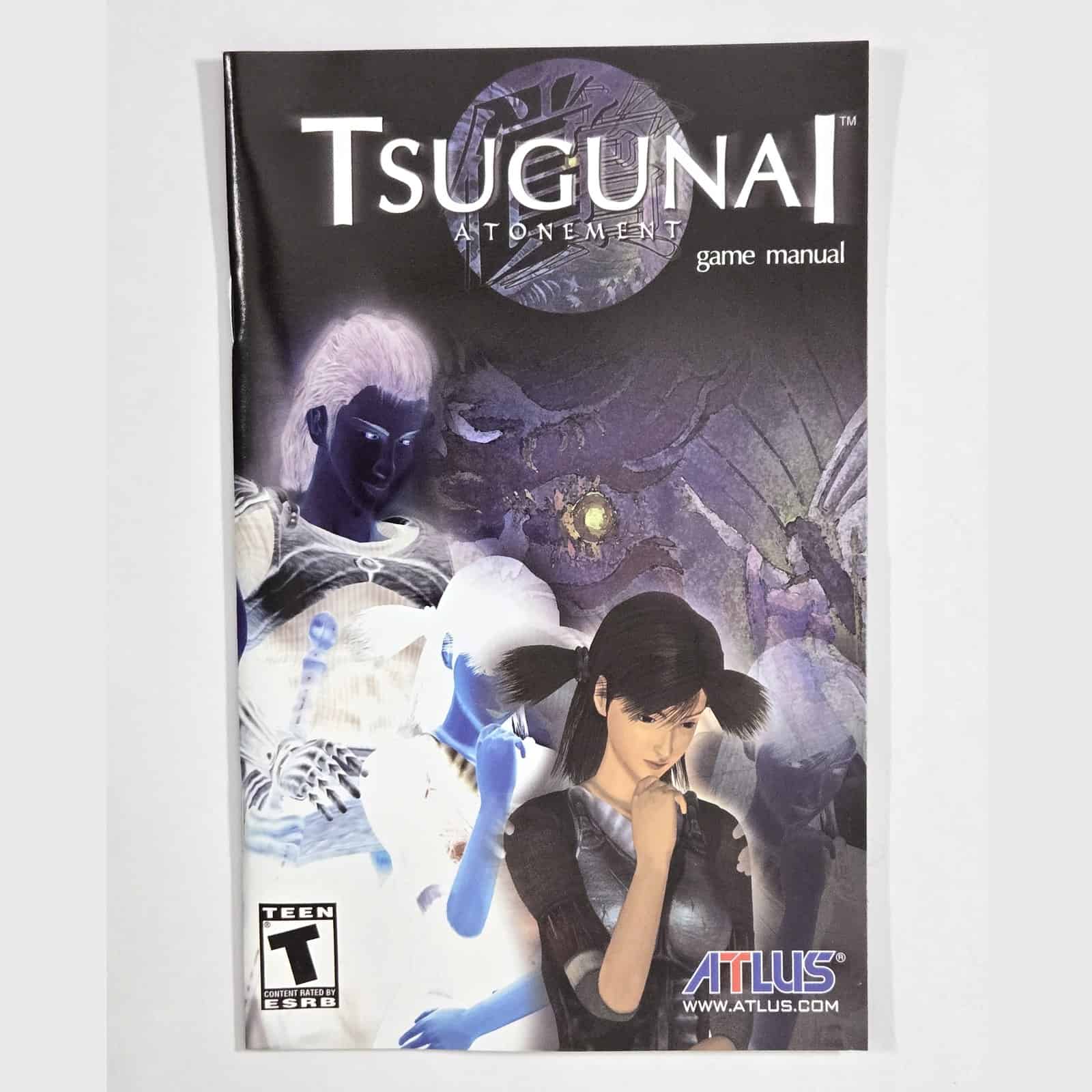
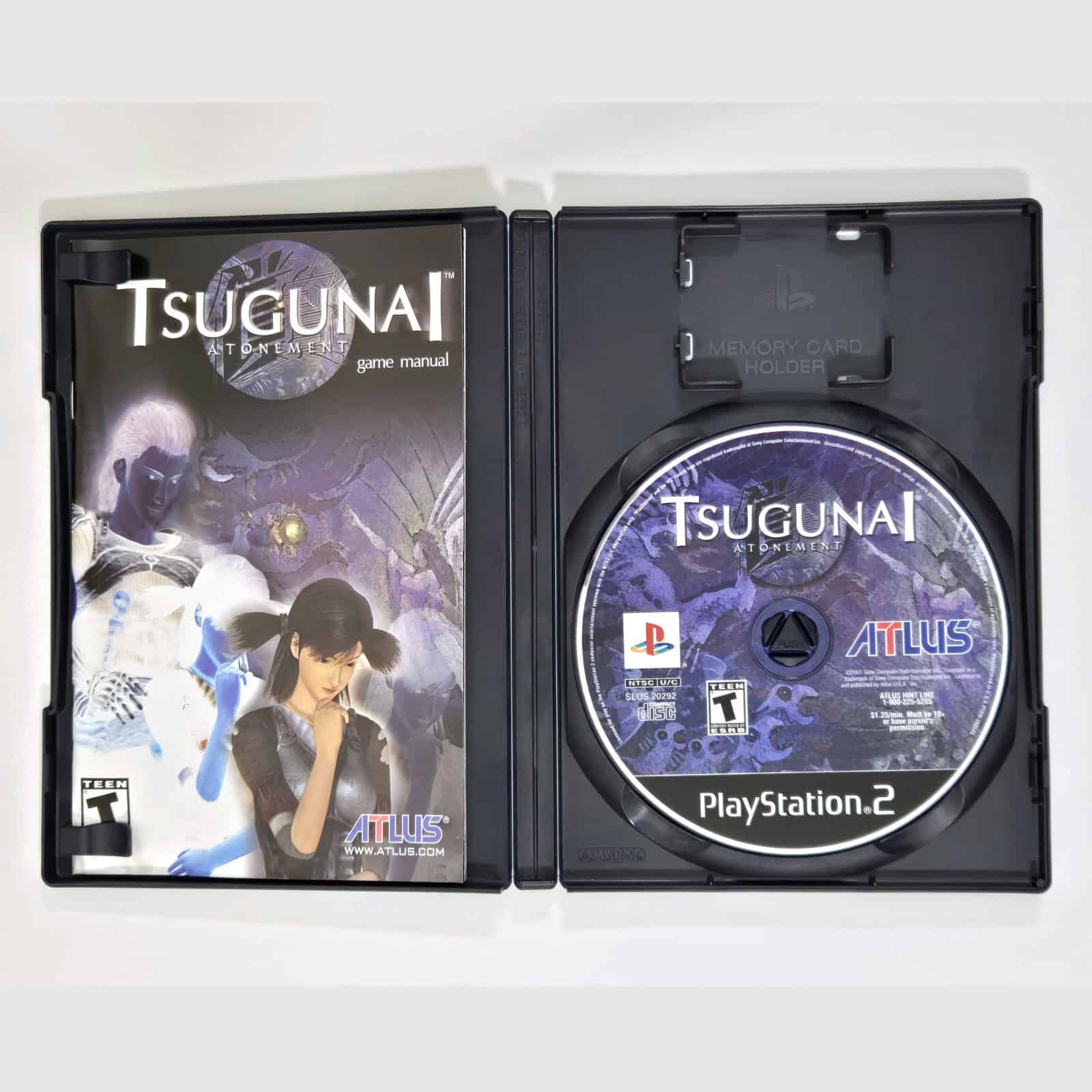
Want one for your shelf? Find Tsugunai: Atonement on eBay, and look for listings that show the manual.
If you’re new to PS2 collecting, my PS2 Beginner’s Guide covers how to get set up cheap. And for more overlooked gems, check out my Eternal Poison, Scaler and Fire Pro Wrestling Returns reviews.
Tsugunai: Atonement FAQ
Who made Tsugunai: Atonement? Cattle Call developed it. Sony published it in Japan in February 2001, and Atlus published the North American version in November 2001.
What does Tsugunai mean? It’s Japanese for atonement, so the full title is basically “Atonement: Atonement.”
Who is the main character in Tsugunai? Reise, a mercenary whose soul is separated from his body after he steals a sacred Treasure Orb. He has to atone by helping the people of Walondia.
How does possession work in Tsugunai? Reise possesses people who are struggling, and you play as them to fight their battles and solve their problems. Each host has their own weapons and combat role.
Who composed the music for Tsugunai: Atonement? Yasunori Mitsuda, known for Chrono Trigger, Chrono Cross and Xenogears.
Is Tsugunai: Atonement worth playing today? If you like unusual, slower-paced RPGs and don’t mind a challenge in boss fights, yes. It’s one of the most original RPGs on the PS2.
The verdict
Tsugunai: Atonement isn’t a traditional RPG, and that’s the point. Possessing other people, slotting puzzle-shaped runes and timing counters in tense boss fights all add up to something that still feels unique. For anyone exploring the stranger corners of the PS2 RPG library, it’s a fascinating hidden gem.
You stay frosty.
Leave a Reply
You must be logged in to post a comment.